
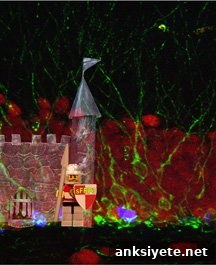
Discovery reveals how therapies activate brain stem cells
Researchers at Johns Hopkins have identified a protein that appears to be a common target of both antidepressant medications and electroconvulsive therapy (ECT). Using experiments in mice and analyses of human genetic data, the team uncovered how these treatments may relieve depression by stimulating neural stem cells in the adult brain to divide, grow, and mature into new neurons. The findings offer insight into the biological mechanisms behind treatment response and suggest potential ways to predict and personalize therapy for individual patients.
Previous work showed that antidepressants and ECT both trigger activation of neural stem cells in the adult hippocampus, but the molecular link between treatment and stem cell activation remained unclear. Hongjun Song, Ph.D., professor of neurology and director of the Stem Cell Program at the Institute for Cell Engineering, led a multi-disciplinary effort to identify the specific molecules that mediate this effect.
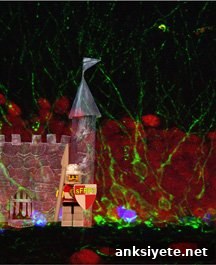
The team first compared gene expression in the brains of mice that received ECT with untreated controls, focusing on genes whose protein products are known to regulate neural stem cells. This comparison highlighted changes in an inhibitor gene, sFRP3, which modulates a signaling pathway previously implicated in promoting neural stem cell activity. ECT reduced production of the sFRP3 protein, which would relieve inhibition and allow the growth-promoting pathway to become more active.
To test the role of sFRP3 more directly, researchers used mice genetically engineered to lack the sFRP3 protein. These sFRP3-deficient mice displayed behavioral changes similar to those seen in normal mice treated with antidepressant drugs. Importantly, administering antidepressants to the modified mice produced little or no additional behavioral effect, implying that the drugs exert their action in part by blocking sFRP3. In the absence of sFRP3, antidepressants had no additional pathway to inhibit.
To determine whether their mouse findings translated to humans, the investigators analyzed genetic data from 541 people diagnosed with depression and followed their responses to a course of antidepressant treatment. They identified three common variants in the human sFRP3 gene associated with a better response to therapy. By consulting a database that links gene sequence variants to gene expression in human brain tissue, the researchers found that all three variants were associated with reduced sFRP3 expression—consistent with the idea that lower levels of this inhibitor favor treatment response and increased neurogenesis.
Song emphasizes that sFRP3 is sensitive to neural activity and can be regulated by a variety of conditions, including physical exercise. “sFRP3 functions like a gatekeeper that connects brain activity to the generation of new neurons,” he says. Because the gene responds to changes in brain activity, interventions that alter neural activity—whether pharmacological, electrical, or behavioral—may influence neurogenesis through this molecular link.
The discovery has two near-term clinical implications. First, genetic testing for sFRP3 variants could eventually help predict which patients are more likely to benefit from specific antidepressant treatments, enabling more personalized care. Second, sFRP3 itself represents a potential therapeutic target: drugs or other interventions that modulate sFRP3 activity might promote neural stem cell activation and offer new approaches to treating depression.
Notes about this stem cell research
The studies received support from the National Institute of Mental Health (grant numbers MH090115 and MH087874), the National Institute of Neurological Disorders and Stroke (NS048271, NS047344, NS080913), the National Institute of Child Health and Human Development (HD069184), and the National Institute of Environmental Health Sciences (ES021957). Additional funding came from the Brain & Behavior Research Foundation, the Maryland Stem Cell Research Fund, the International Mental Health Research Organization, and the Max Planck Society.
Authors on the Cell Stem Cell article include Mi-Hyeon Jang, Michael A. Bonaguidi, Yasuji Kitabatake, Jiaqi Sun, Juan Song, Eunchai Kang, Heechul Jun, Chun Zhong, Yijing Su, Junjie U. Guo, Marie Xun Wang, Kurt A. Sailor, Ju-Young Kim, Yuan Gao, Kimberly M. Christian, Guo-li Ming and Hongjun Song of Johns Hopkins University School of Medicine. Authors on the Molecular Psychiatry report include Mi-Hyeon Jang, Yasuji Kitabatake, Eunchai Kang, Heechul Jun, Mikhail V. Pletnikov, Kimberly M. Christian and Guo-li Ming of Johns Hopkins University School of Medicine; René Hen of Columbia University; and Susanne Lucae and Elizabeth B. Binder of the Max Planck Institute of Psychiatry.
Contacts: Shawna Williams, Vanessa McMains and Catherine Kolf – Johns Hopkins Medicine
Source: Johns Hopkins Medicine press release
Image source: Image adapted from Johns Hopkins Medicine press materials; credited to Max Song and Maggie Song.
Original research: Abstract for “Secreted Frizzled-Related Protein 3 Regulates Activity-Dependent Adult Hippocampal Neurogenesis” by Mi-Hyeon Jang et al., published in Cell Stem Cell. DOI: 10.1016/j.stem.2012.11.021