AI-Designed Longevity Vaccines Target Early Cellular Aging
featured 119059

Summary: Insilico Medicine has introduced a research initiative called “Longevity Vaccines,” which combines generative artificial intelligence with programmable circular mRNA (cmRNA) delivered in lipid nanoparticles (LNPs). The approach is designed to instruct a patient’s own immune cells to identify and remove senescent, fibrotic, and autoreactive cells that drive aging and chronic disease. Instead of treating … Read more
How Neurons Transcribe Long Genes

featured 119055

Summary: Researchers have identified a critical nuclear architecture that neurons use to transcribe and process exceptionally long genes. The RNA-binding protein SFPQ assembles meshwork-like, membraneless condensates on nascent long RNAs, concentrating the molecular machinery needed for continuous transcription and co-transcriptional splicing. Failure of these condensates causes transcriptional arrest and splicing defects in ultra-long neuronal genes, … Read more

Immune Protein Protects Brain From Depression and PTSD After TBI

featured 119051

Summary: Higher baseline levels of naturally occurring anti‑NMDAR1 antibodies in the blood were linked to substantially lower risk of developing post‑deployment depressive and PTSD symptoms among service members with a lifetime history of traumatic brain injury (TBI). In mechanistic mouse experiments, antibody isotype size explained divergent effects: small IgG antibodies penetrated synaptic clefts and impaired … Read more

How Severe Maternal Illness Alters Fetal Brain Development

featured 119045

Summary: Researchers report that maternal immune activation during pregnancy reshapes the epigenome of developing fetal brain cells, interfering with the formation of deep-layer cortical neurons and raising the likelihood of neurodevelopmental disorders such as autism. Key Facts: Epigenetic Alterations: Maternal immune activation (MIA) changes DNA methylation patterns in the fetal frontal cortex, producing hypermethylation at … Read more

Older Brains Keep Strong Language Networks Despite Decline

featured 119040

Summary: New brain-imaging research shows that while many cognitive abilities, such as executive control and working memory, tend to decline with age, the neural network that supports language remains robust and functionally intact. The study indicates that brain systems specialized for language are more resistant to age-related change than broader, domain-general networks. Key Facts: Activity … Read more

TIMP2 Restores Immune Function in the Aging Brain

featured 119031

Summary: Scientists at the Icahn School of Medicine at Mount Sinai report that the youth-associated protein TIMP2 is crucial for preserving healthy microglial function. In aged mice, systemic supplementation of TIMP2 reduced inflammatory signatures and restored microglia’s ability to clear cellular debris—findings that point to new therapeutic directions for age-related neurodegenerative diseases. Key Facts: TIMP2 … Read more

Why Shame, Stigma and Culture Silence Men After Domestic Abuse

featured 119026

Summary: A large-scale study identifies the main obstacles that stop men from seeking help after experiencing intimate partner violence (IPV). Researchers found that treating the abuse as a private matter was the single most common barrier across Black, Latino, and White men. The study also highlights culturally specific and psychological challenges—such as shame among Latino … Read more

Brain Immune Cells Reveal Clues to Alzheimer’s Progression

featured 119015

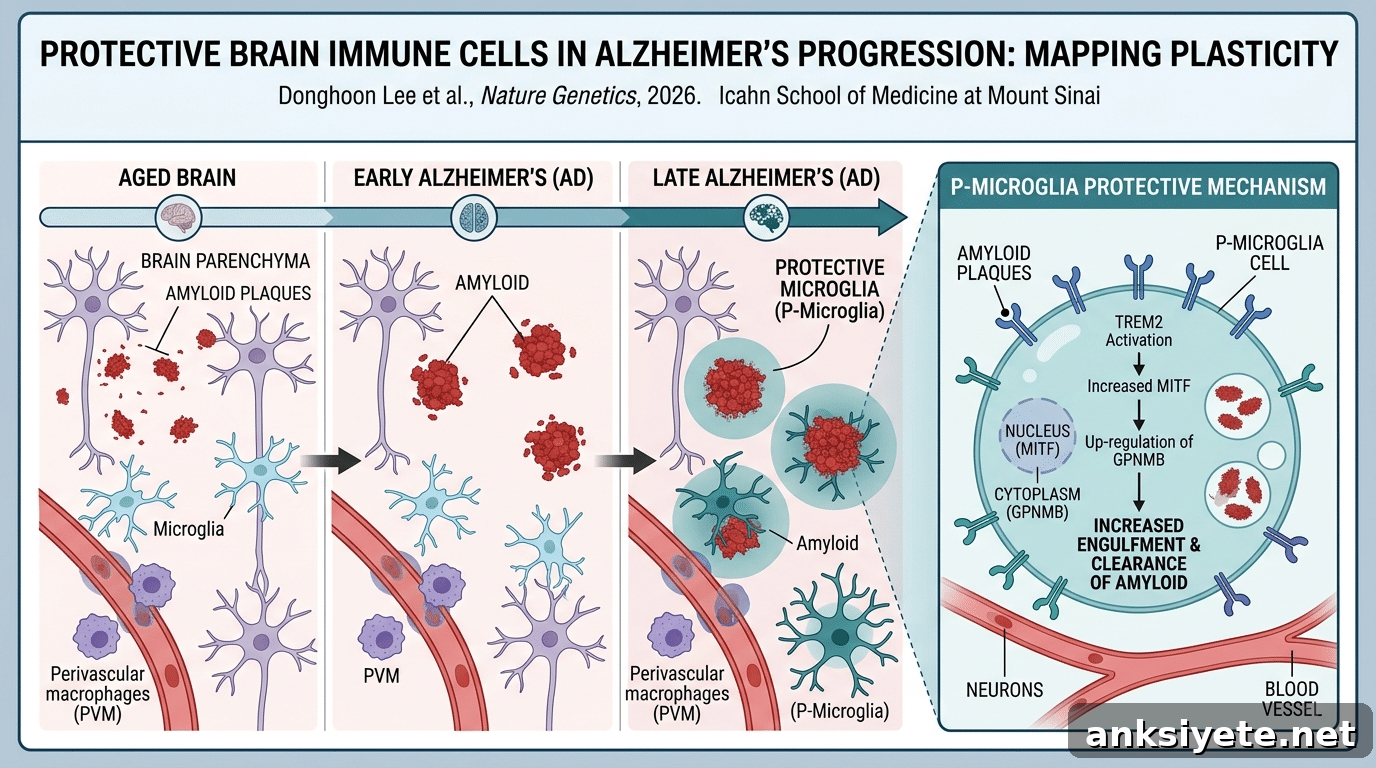
Summary: Researchers have mapped more than 830,000 immune cells of myeloid origin from human brain tissue and identified a disease-associated microglial subtype that expands as Alzheimer’s disease progresses. Driven by a TREM2-centered molecular signaling cascade that includes MITF and GPNMB, these microglia exhibit enhanced capacity to engulf and clear toxic material. The study offers a … Read more

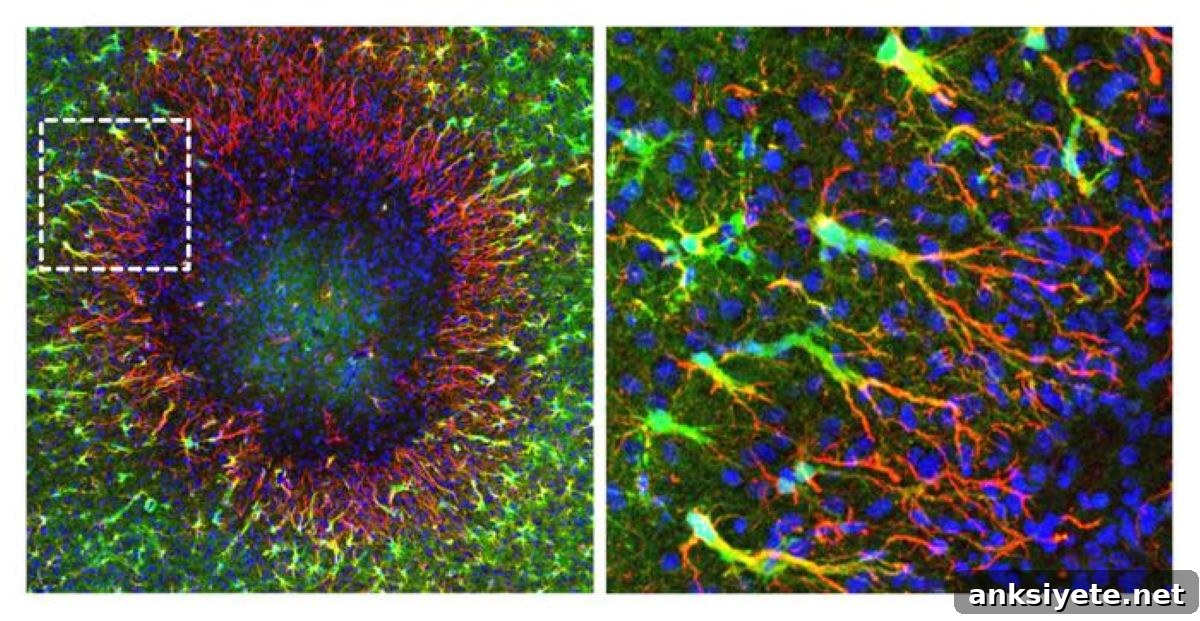
Regenerative Astrocytes Reverse Brain Damage

featured 119009

Summary: Researchers have uncovered a previously unknown mechanism by which the adult mammalian brain can repair localized tissue damage. Using longitudinal in vivo two-photon imaging and spatial gene expression mapping in mouse models, the team at the University of Zurich identified a distinct population of “regenerative” astrocytes that repopulate lesions by transporting newly formed cell … Read more

Eye Tracking Shows How Human Reading Differs from AI Processing

featured 119005

Summary: A new study tested whether large language models (LLMs) can account for human reading dynamics. Researchers compared eye-tracking measurements from 368 adult readers with predictions from more than 400 neural language models, examining how both humans and models process syntactically challenging text, including so-called “garden-path” sentences. The results reveal a clear split between human … Read more