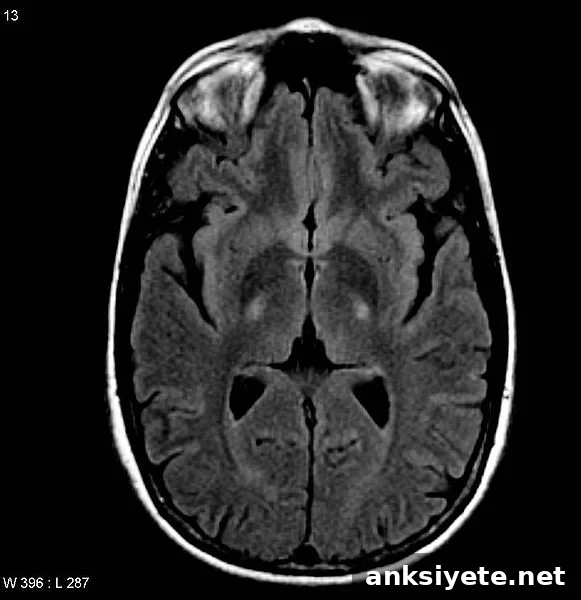
Heavy Drinking Causes Long-Term Brain Damage

featured 108364

Summary: For the first time, researchers have shown in an animal model how heavy, prolonged alcohol exposure can cause lasting cognitive problems by damaging the brain circuits that support decision-making. In a study of rats, those previously exposed to high levels of alcohol performed far worse on a demanding, shifting-reward decision task—even after nearly three … Read more

Breakthrough Links ALS and Dementia, Opens Treatment Paths

featured 42158

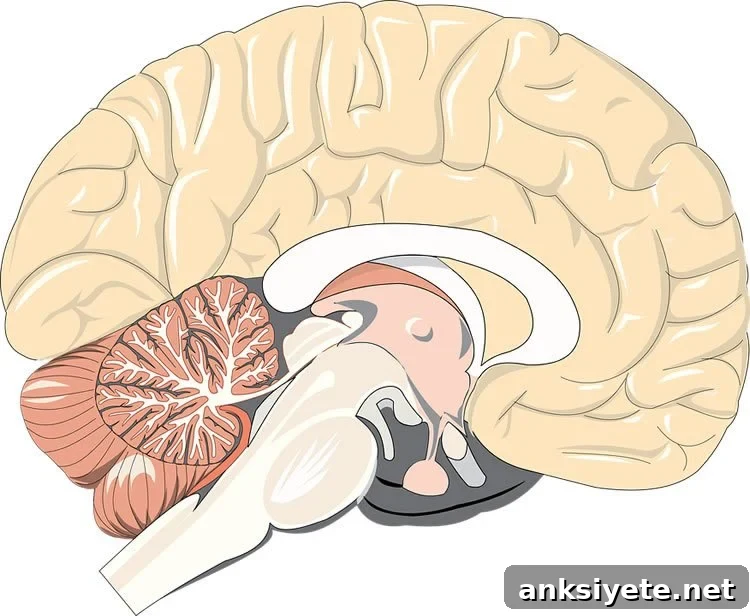
Summary: Researchers have identified a newly discovered mechanism that may contribute to nerve cell loss in people with motor neuron disease (MND), amyotrophic lateral sclerosis (ALS), frontotemporal dementia and age-related neurological decline. New discovery in DNA repair offers hope for slowing MND and dementia Source: University of Sheffield Scientists at the University of Sheffield have … Read more

How AI Detects Depression in Children’s Speech

featured 56049

Summary: A machine learning model that analyzes children’s speech was able to identify young children diagnosed with anxiety and depression with about 80% accuracy. The system singled out eight acoustic features associated with higher risk; notably, lower voice pitch, repeated speech inflections, and a higher-pitched reaction to a surprising buzzer were particularly indicative of internalizing … Read more

Altered Brain Inflammation Linked to Opioid Use Disorder

featured 74875

Summary: Neuroinflammation appears to be a central driver of the pathological brain changes associated with chronic opioid use, with microglia identified as a likely key cellular mediator. Source: Boston University School of Medicine Opioid use disorder (OUD) rates and opioid-related overdose deaths have risen sharply in recent years, highlighting an urgent need to understand how … Read more

Personalized Therapy Targets Gene Mutations in Dementia and ALS

featured 11909

Stem cell–based approach manipulates brain cells in laboratory studies Researchers at Johns Hopkins have developed experimental compounds that, in laboratory studies using human cells, appear to block the cellular damage caused by a specific genetic mutation linked to some cases of amyotrophic lateral sclerosis (ALS) and frontotemporal dementia. The work uses neurons derived from induced … Read more

Acetylcholine Boost in Engineered Marathon Mouse Lowers Fatigue

featured 4604

Scientists have created a genetically engineered mouse that runs twice as long on a treadmill as normal mice after inserting a gene that increases the amount of choline transporter in nerve terminals. The higher level of transporter raises the availability of acetylcholine at neuromuscular junctions, the chemical messenger that drives muscle contraction, and the result … Read more

How Sleep Consolidates Memory: Brain Mechanisms Explained

featured 34967

Summary: Researchers investigate how new memories are consolidated during sleep. Source: RUB. Why some memories last and others fade Most people have noticed that a short nap after studying can make new information easier to recall. Yet the biological mechanisms behind that improvement are complex. The human brain stores a vast amount of information, but … Read more

Study Finds Liver Dysfunction Linked to Alzheimer’s Disease

featured 58463

Summary: Researchers have identified a connection between liver dysfunction and Alzheimer’s disease, offering new insight into how metabolic disturbances may contribute to neurodegeneration and suggesting potential routes for earlier detection and prevention. Source: Indiana University School of Medicine New collaborative research from the Alzheimer’s Disease Metabolomics Consortium (ADMC) and the Alzheimer’s Disease Neuroimaging Initiative (ADNI) … Read more

Muscle Regeneration: How It Starts at the Cellular Level

featured 31461

Summary: New research provides the first direct evidence of how muscle stem cells are activated to regenerate damaged muscle tissue. Scientists at Monash University’s Australian Regenerative Medicine Institute (ARMI) have captured, for the first time in a living animal, how muscle stem cells are recruited to regenerate injured muscle. This discovery could inform therapies to … Read more

Molecular Pathways Driving Alzheimer’s Disease Revealed

featured 10861

Researchers at Columbia University Medical Center (CUMC) have identified key molecular pathways that drive late-onset Alzheimer’s disease, the most common form of the condition. Combining systems biology and cell biology approaches, the team mapped links between common genetic risk factors and cellular processes that lead to Alzheimer’s. Their findings, which point to several potential therapeutic … Read more