AI Drug Design for Opioid Addiction Treatment
featured 90817

Summary: Researchers are using artificial intelligence to design novel compounds that can block kappa opioid receptors, aiming to develop new treatments to reduce opioid dependence and withdrawal-driven relapse. Source: Biophysical Society Approximately three million Americans suffer from opioid use disorder, and more than 80,000 die each year from overdoses. Opioids such as heroin, fentanyl, oxycodone … Read more

Biohybrid Device May Restore Movement in Paralyzed Limbs

featured 91820

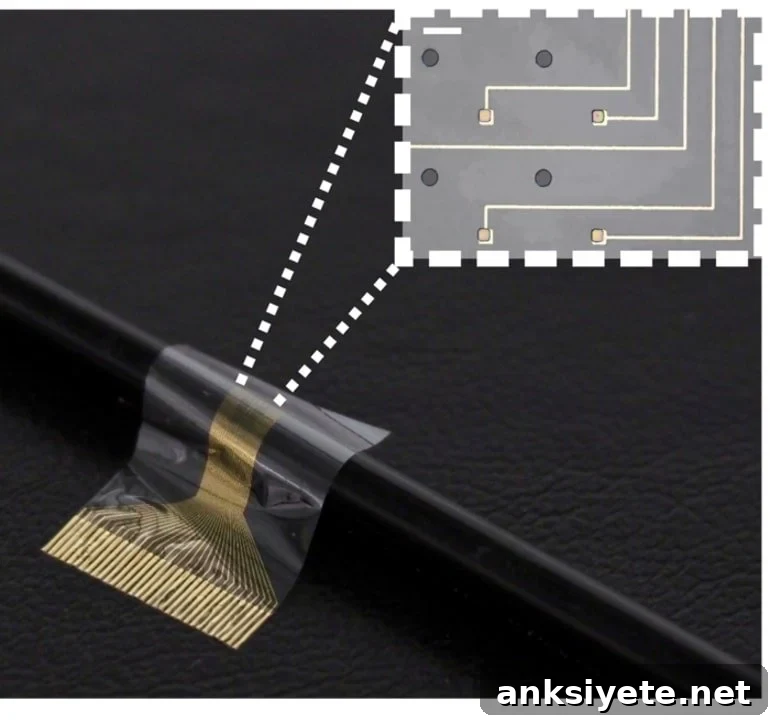
Summary: Researchers have created a biohybrid neural implant that can strengthen communication between the brain and paralyzed limbs, offering a promising route to restore limb function after amputation or nerve injury. Source: University of Cambridge New biohybrid neural implant developed to restore limb function Scientists at the University of Cambridge have developed a biohybrid neural … Read more

Lack of Independent Play Fuels Children’s Mental Health Decline

featured 91327

Summary: Rising rates of anxiety and depression in children and adolescents may be linked to a long-term decline in opportunities for unsupervised play, exploration, and independent activity—experiences that build resilience, confidence, and emotional wellbeing. Source: FAU Anxiety and depression among school-aged children and teenagers in the United States have reached historic highs. In 2021, child … Read more

How Early Education Helps Prevent Dementia

featured 1012

Brain research has identified a clear link between the amount of formal education a person receives and their risk of developing dementia. By comparing the brains of 872 individuals with their reported educational histories, researchers found that people who received more education earlier in life were less likely to have shown dementia symptoms than those … Read more

How Your Circadian Clock Aids Brain Recovery After Injury

featured 86379

Summary: NG2‑glia, a recently characterized population of self‑renewing brain cells, are regulated by the body’s circadian clock. These results reveal how daily rhythms influence cellular proliferation and suggest new directions for improving recovery after traumatic brain injury (TBI). Source: Children’s National Hospital New research from Children’s National Hospital shows that NG2‑glia—also called oligodendrocyte precursor cells—follow … Read more

Study Finds Strong Heart Linked to Slower Aging

featured 98101

Summary: Strong cardiovascular health is linked to slower biological aging, which could reduce the risk of age-related diseases and increase lifespan. A recent analysis using the American Heart Association’s Life’s Essential 8 score and a biological-age metric called phenotypic age found a clear relationship: better cardiovascular health corresponds with a younger biological age. This suggests … Read more

How Meaningful Sounds Impair Cognitive Task Performance

featured 36954

Summary: Meaningful sounds such as speech and music can impair performance on cognitive tasks, while meaningless noise tends to be less disruptive, a new study reports. Source: Acoustical Society of America. Researchers also measured how annoying listeners found different types of noise. Open-plan offices are increasingly common because they can maximize space and encourage collaboration. … Read more

How Herpes Simplex (Cold Sore) Virus Reaches the Brain

featured 105831

Summary: New research shows that herpes simplex virus type 1 (HSV-1), the virus most commonly associated with cold sores, can invade selective regions of the brain and may contribute to the development of neurodegenerative conditions. Detailed mapping of HSV-1’s route into the central nervous system reveals that the virus preferentially targets areas that regulate sleep, … Read more

New Drug Shows Promise in Slowing Mild Alzheimer’s Progression

featured 21934

Phase 3 results for the Alzheimer’s treatment solanezumab to be presented at the Alzheimer’s Association International Conference 2015 New data from an extended analysis of solanezumab — an anti-amyloid therapy tested in people with mild Alzheimer’s disease — will be presented at the Alzheimer’s Association International Conference (AAIC) 2015. The phase 3 extension follows 1,322 … Read more

How Bystander Support Reduces Antisocial Behavior

featured 99694

Summary: New research highlights the vital role of bystanders in responding to anti-social behaviour. Across three experimental studies, researchers found that when bystanders actively support someone who confronts mistreatment, they reinforce social norms and help prevent harmful behaviour from becoming tolerated. In contrast, silence or topic-changing from bystanders can weaken those norms and undermine efforts … Read more