
Researchers uncover how the brain actively erases long-term memories
New research in rats reveals that forgetting can be an active biological process rather than simply a failure of recall. The study shows that long-term memories can be erased when brain cells remove specific receptors from the synapses that maintain those memories. These findings offer fresh insight into normal memory dynamics and suggest potential avenues for treating memory decline in conditions such as Alzheimer’s disease and other dementias.
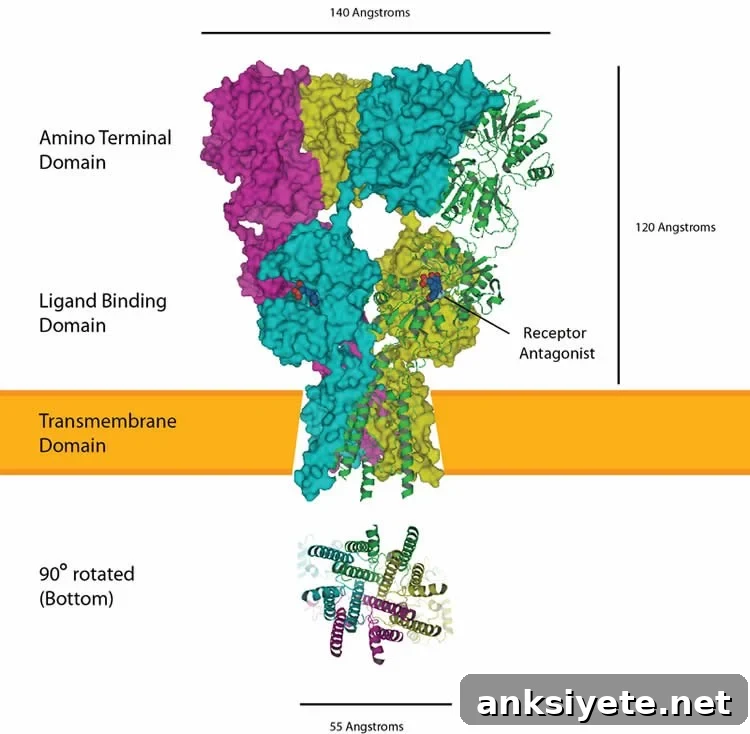
At the molecular level, memories are preserved by chemical signalling between neurons, and a key component of that signalling is the AMPA receptor family. In particular, AMPA receptors containing the GluA2 subunit help sustain synaptic strength. The study found that when neurons remove these GluA2-containing AMPA receptors from synapses, the strength of the connection weakens and the memory can be lost over time if it is not reactivated.
Active forgetting as a biological mechanism
The research team, led by the University of Edinburgh, demonstrated that preventing the removal of GluA2-containing AMPA receptors stabilised long-term memories in rats. When compounds that interfere with receptor removal were delivered to relevant brain regions, previously consolidated memories persisted longer than they normally would. Conversely, normal memory decay occurred when receptor removal was left unimpeded.
These experiments indicate that forgetting is not simply passive deterioration. Instead, a regulated, decay-like process actively removes AMPA receptors from synapses and thereby erases established memories over time. This synaptic removal appears to be a controlled mechanism with behavioral significance: actively forgetting certain information may help animals, and by extension humans, adapt their behavior to changing environments.
Implications for disease and therapy
The discovery has two important clinical implications. First, it suggests new targets for preventing pathological memory loss. Drugs that stabilize AMPA receptors at synapses are already under investigation for treating memory decline in Alzheimer’s disease and other forms of dementia. The current findings support the idea that preserving synaptic AMPA receptor levels can slow or prevent the natural loss of long-term memories.
Second, treating forgetting as an active process raises caution: blocking receptor removal indiscriminately could interfere with normal learning and adaptive behaviour. Active forgetting may serve beneficial functions, such as preventing interference from outdated memories or facilitating the extinction of fear responses. Further research is needed to determine the consequences of inhibiting this process on the capacity to learn new information and to appropriately modify existing memories.
Behavioral effects observed in the study
In addition to preserving spatial memories, the researchers found that preventing GluA2-containing AMPA receptor removal affected several forms of memory-dependent behaviour. For example, blocking receptor removal in the hippocampus maintained object-location memories and reduced the tendency for contextual fear to generalize over time. In another brain region involved in fear regulation, interfering with receptor removal inhibited the spontaneous recovery of extinguished auditory fear responses. These results point to a role for synaptic receptor dynamics across multiple brain structures in shaping how memories evolve with time.
Physiological mechanisms and future directions
Electrophysiological tests indicated that the interference peptide used to block receptor removal prevented depotentiation—the process that reduces synaptic strength—while leaving the induction of long-term potentiation intact. This finding links the behavioural effects of preserved memories to measurable changes in synaptic physiology.
According to Dr Oliver Hardt of the Centre for Cognitive and Neural Systems at the University of Edinburgh, the next step is to identify why some memories are protected while others are erased. Understanding the molecular and circuit-level safeguards that preserve certain memories could eventually guide therapies aimed at slowing or preventing pathological memory loss without disrupting healthy cognitive flexibility.
Source: Jen Middleton, University of Edinburgh
Image credit: Curtis Neveu (image used for illustration; licensed CC BY SA 3.0)
Study summary
The study, titled “Blocking Synaptic Removal of GluA2-Containing AMPA Receptors Prevents the Natural Forgetting of Long-Term Memories,” reports that interfering with the synaptic removal of GluA2-containing AMPA receptors during retention intervals in rats prevented the normal time-dependent loss of different long-term memories. The interventions preserved spatial and associative memories and affected fear-related behaviours. Physiological data showed that blocking receptor removal prevented depotentiation in hippocampal slices, supporting a synaptic basis for the observed behavioural effects. Taken together, the findings suggest a regulated, decay-like forgetting process that may be important for adaptive behaviour and whose dysregulation could contribute to memory decline in neuropathological conditions.