Ultra-Processed Foods Could Accelerate Parkinson’s Progression

featured 109626

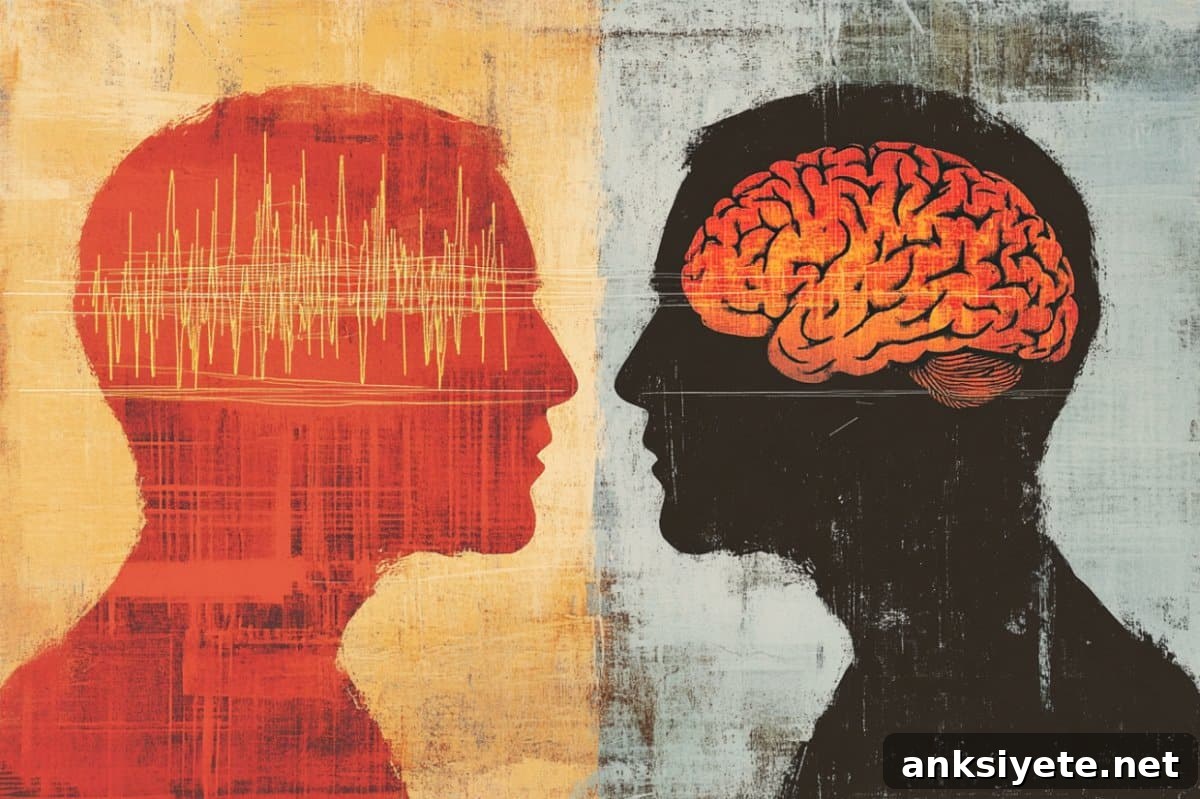
Summary: A large, long-term study finds a strong association between high consumption of ultra-processed foods and early, prodromal signs of Parkinson’s disease. Tracking 42,853 adults for up to 26 years, researchers observed that individuals who averaged 11 or more servings of ultra-processed food per day were about 2.5 times more likely to exhibit multiple early … Read more

How Genes Predict When Babies Take Their First Steps

featured 109622

Summary: New research shows that genetics play a substantial role in determining when infants begin walking, explaining roughly 25% of the variation in this milestone. By analysing genetic data from more than 70,000 babies, researchers identified 11 genomic regions associated with age at first steps, linking this milestone to broader aspects of brain development and … Read more

How Learning Rewires Your Brain: Neuroplasticity Explained

featured 109614

Summary: New research shows that learning does more than change brain activity patterns — it rewires connections between key regions to make communication faster and more precise. Using advanced imaging and a novel analysis approach, scientists mapped how the thalamocortical pathway, which links the motor thalamus and primary motor cortex (M1), reorganizes during motor learning … Read more

Knowing Alzheimer’s Risk Lowers Anxiety but Reduces Motivation

featured 109606

Summary: A recent study finds that telling cognitively healthy adults about their brain amyloid beta status — a biomarker linked to Alzheimer’s disease risk — does not increase depression or anxiety. However, the study also shows that motivation to maintain recommended lifestyle changes for brain health tends to decline over time, regardless of whether participants … Read more

Micropipette Precisely Controls Brain Ion Signals Noninvasively

featured 109602

Summary: Researchers at Linköping University have created a miniature iontronic micropipette that delivers ions directly to single neurons and nearby glial cells without disturbing the delicate extracellular environment. This innovation lets scientists observe how localized shifts in ion concentrations influence neuronal and astrocytic activity with unprecedented spatial and temporal precision, revealing dynamics previously inaccessible with … Read more

Midlife Hearing Loss May Speed Up Brain Aging

featured 109598

Summary: A Brazilian longitudinal study of 805 adults in their 50s found a strong link between hearing loss and accelerated cognitive decline. Over eight years, participants with hearing impairment experienced faster decreases in overall cognition, including memory, language, and executive function. The researchers identify two main pathways that may explain this association: diminished auditory stimulation … Read more

AI Study Links Gut Microbiome to Chronic Pain Risk

featured 109582

Summary: New research demonstrates that artificial intelligence can detect complex regional pain syndrome (CRPS) by analyzing gut microbiome patterns, achieving over 90% accuracy. Despite differences in geography and diet, researchers found a consistent “microbiome signature” in patients from Israel and Canada. Remarkably, people who no longer showed CRPS symptoms after limb amputation still retained this … Read more

Can Genes Predict Intellectual Disability in Autism?

featured 109574

Summary: Researchers have developed a predictive model that combines genetic information with early developmental milestones to estimate which autistic children are at risk of later developing an intellectual disability (ID). In an analysis of 5,633 children from three large North American cohorts, the model correctly identified about 10% of those who later received an ID … Read more

How Robot Gender and Design Shape Customer Choices

featured 109570

Summary: New research from Penn State shows that the gendered traits of service robots can influence customer decisions in the hospitality industry. Robots designed with male-associated characteristics were more persuasive with women who felt low personal power, while customers who perceived themselves as more powerful were less influenced by robot gender. At the same time, … Read more

Study Shows Psychedelics Rewire Brain-Immune Circuits

featured 109565

Summary: New research shows that psychedelic compounds such as psilocybin do more than change neuronal activity — they reconfigure communication between the brain and the immune system. Scientists have traced a pathway in which chronic stress disrupts signaling in the amygdala, provoking an immune response that amplifies fear and anxiety. Psychedelics reverse this cascade, calming … Read more