What Causes Orange Cat Fur? The Gene Behind Ginger Cats

featured 110021

Summary: After decades of uncertainty, scientists have pinpointed the genetic change responsible for orange fur in domestic cats: a deletion mutation in the X-linked gene ARHGAP36. This deletion increases the gene’s activity in pigment-producing skin cells (melanocytes), shifting pigment synthesis in favor of orange hues. The discovery clarifies longstanding questions about why most orange cats … Read more

Why the Public Prefers Certain Organ Transplant Recipients

featured 110017

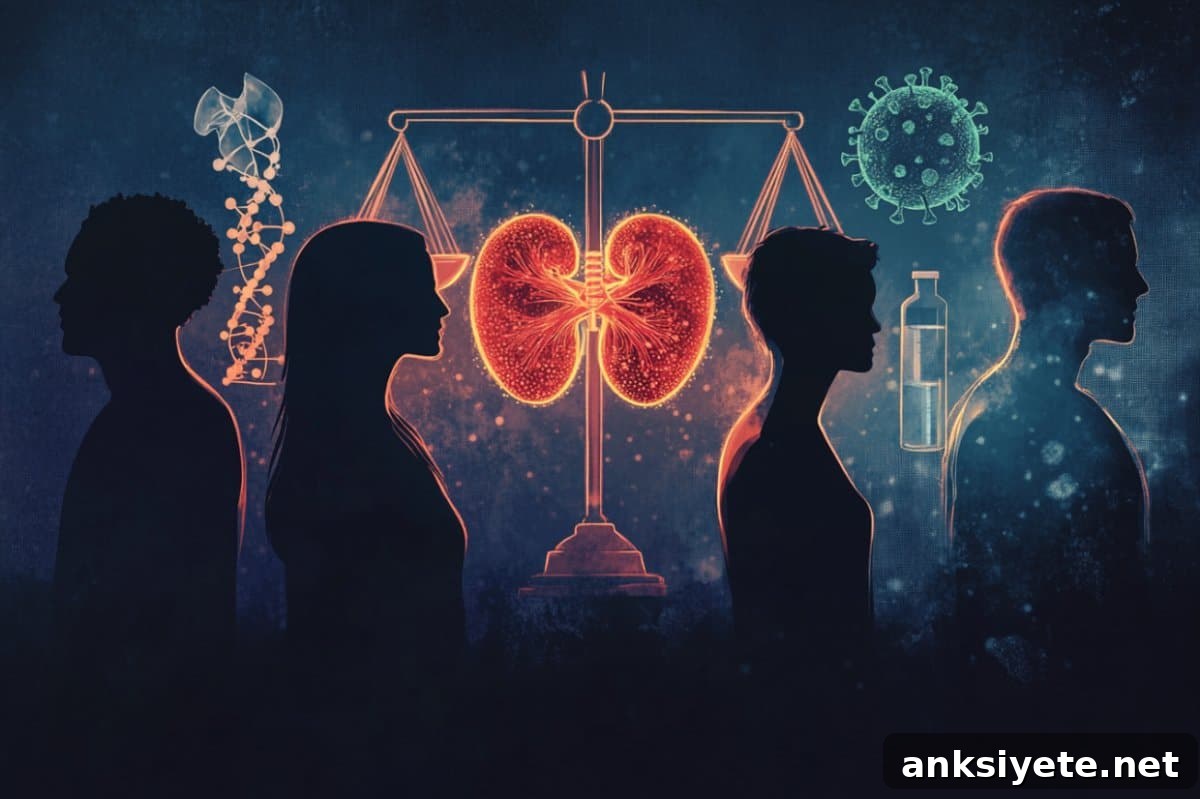
Summary: Americans are more likely to judge organ transplant eligibility by the cause of a person’s illness than by that person’s race or ethnicity. In a large national survey, respondents consistently favored candidates whose conditions were perceived as less self-inflicted—such as black lung disease from coal mining or genetic kidney failure—over candidates suffering from alcohol … Read more

How Astrocytes Shape Brain Function and Behavior

featured 110013

Summary: Once considered merely supportive cells, astrocytes are now recognized as active, flexible regulators of brain function and behavior. New research in fruit flies and rodents shows that astrocytes selectively respond to neurotransmitters and gate neuronal signals, helping the brain prioritize information in real time. Astrocytes—glial cells that account for roughly a third of brain … Read more

Astrocytes, Not Neurons, Control Brain Attention and Alertness

featured 110001

Astrocytes, Not Neurons, Mediate Norepinephrine’s Effects on Synapses Summary: For decades, neuroscientists assumed neuromodulators such as norepinephrine influenced brain circuits by acting directly on neurons. New research from Washington University School of Medicine overturns that view: astrocytes—glial support cells often overlooked—act as the primary intermediaries. When norepinephrine is released, astrocytes detect it and release their … Read more

How All Senses Engage Deep Brain Hubs for Focus and Awareness

featured 109995

Summary: A large-scale fMRI analysis shows that when people sharply focus their attention, sensory signals from vision, hearing, taste, and touch converge on the same deep brain regions linked to arousal and conscious awareness. Using brain scans from more than 1,500 healthy adults, researchers identified consistent engagement of the midbrain reticular formation and the central … Read more

How Recessive Genes Influence Health, Learning, and Fertility

featured 109990

Summary: New research shows that carriers of recessive pathogenic gene variants—individuals who carry a single mutated copy of a gene—are not always unaffected. Analysis of more than 300,000 people reveals subtle but measurable disadvantages among carriers: an increase in medical diagnoses, slightly reduced reproductive success, and, for carriers of genes linked to intellectual disability, shorter … Read more

Long COVID Brain Fog Tied to Inflammation and Stress Markers

featured 109982

Summary: Researchers comparing people with long COVID to those who fully recovered found that individuals reporting persistent cognitive symptoms such as brain fog display signs of increased brain inflammation and a reduced biological capacity to respond to stress. The study identified lower levels of nerve growth factor and higher levels of inflammatory markers in the … Read more

How Spreading Brain Waves Deplete Neuron Energy

featured 109978

Summary: For the first time, researchers have tracked how individual neurons lose and then recover their energy during spreading depolarizations — propagating waves of electrical disturbance that occur in a range of brain disorders and are strongly associated with stroke and cerebral ischemia. Using genetically modified mice and high-resolution fluorescence microscopy, the team visualized adenosine … Read more

Early Bonding Shields Children from Maternal Depression Effects

featured 109974

Summary: A new longitudinal study from Shinshu University highlights how postpartum maternal depression and early mother-to-infant bonding influence a child’s emotional and behavioral development into middle childhood. The research shows that strong early bonding can substantially lessen the negative effects of postpartum depression on later psychosocial outcomes. In a cohort of 245 mother–child pairs, researchers … Read more

Starting ADHD Treatment Early Could Mean Years on Medication

featured 109970

Summary: A large Finnish register study shows that many children—particularly boys who begin ADHD medication between ages 6 and 8—remain on treatment for multiple years. While the average duration of ADHD medication exceeded three years, 25% of treated children stayed on medication for more than seven years, and some for nearly a decade. Despite growing … Read more