New 3D-Printed Brain Model Replicates Neural Damage
featured 110975

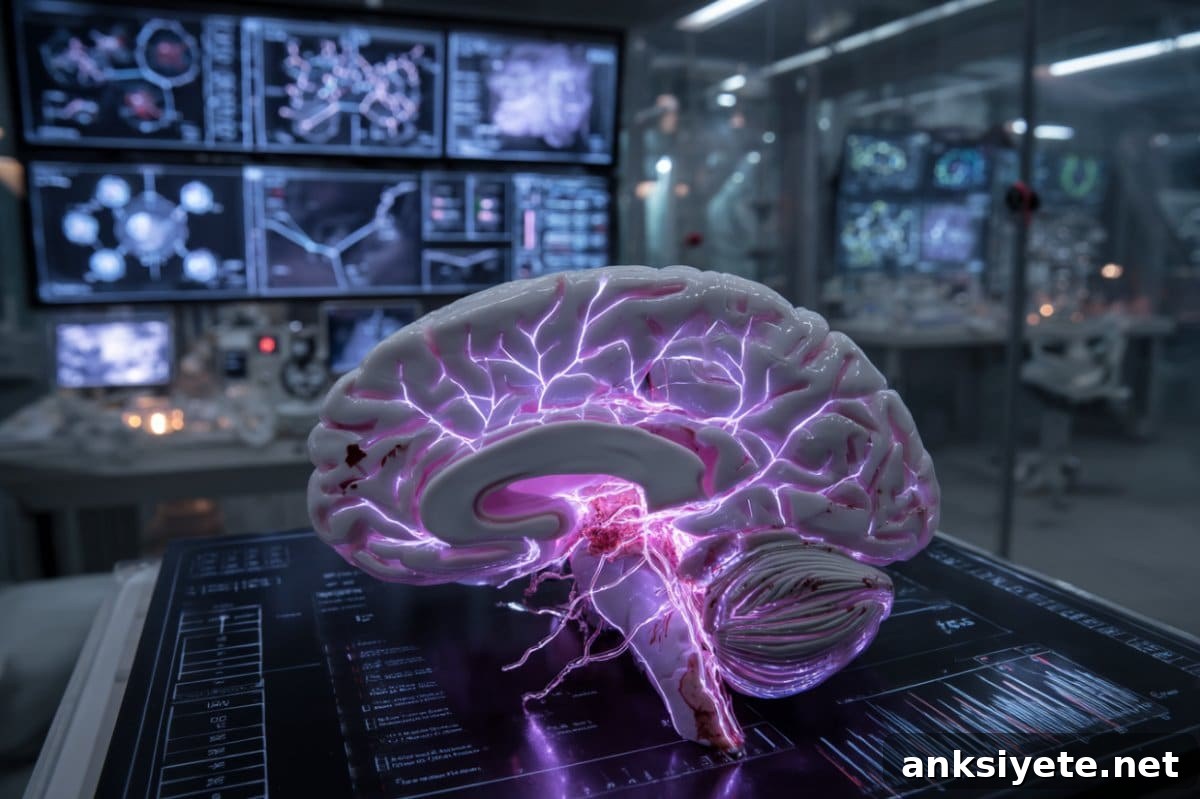
Summary: Researchers have created an advanced three-dimensional brain model that reproduces both the structure and function of human brain tissue. Using biomimetic 3D bioprinting, the Bioengineered Neural Network (BENN) separates gray and white matter regions, supports aligned axonal pathways, and responds to electrical stimulation with electrophysiological activity similar to that of native brain tissue. When … Read more

Why the Brain Finds Some Smells Foul

featured 110971

Summary: A new study from the University of Florida uncovers how the brain determines whether an odor feels pleasant or repulsive, explaining why certain smells trigger intense emotions. Focusing on the amygdala—the brain’s emotional hub—researchers identified two genetically distinct cell populations that can tag any scent as positive or negative depending on where they send … Read more

How Low Sodium Alters Brain Chemistry and Triggers Anxiety

featured 110966

Chronic Hyponatremia Causes Anxiety-Like Behavior by Disrupting Monoamine Signaling in the Amygdala — Mouse Study Summary: New research from Fujita Health University shows that chronic hyponatremia — persistently low blood sodium — alters brain chemistry and produces anxiety-like behaviors in mice. The study identifies reductions in serotonin and dopamine in the amygdala, a brain region … Read more

Why Daily Ups and Downs in Love Matter

featured 110958

Summary: A new psychological study shows that relationship satisfaction commonly fluctuates—even within a single day—and that these ups and downs are a normal part of romantic dynamics. Drawing on high-frequency reports from more than 700 couples, researchers found that short-term shifts in satisfaction often occur in tandem between partners and can signal unmet emotional needs … Read more

AI Reveals Key Predictors of Lifelong Cognitive Function

featured 110954

Summary: A new study applied machine learning to identify the health and lifestyle factors most closely linked to cognitive performance across adulthood. In a sample of 374 adults aged 19–82, the strongest predictors of performance on a focus-and-speed attention test were age, blood pressure (especially diastolic), and body mass index (BMI). Diet and physical activity … Read more

Glial Cell Transplants Slow Huntington’s Symptoms, Extend Life

featured 110950

Summary: A new study from the University of Rochester shows that transplanting healthy human glial progenitor cells into adult mice modeling Huntington’s disease delays motor and cognitive decline and extends survival. The transplanted glia restored neuronal gene expression, repaired synaptic structure, and improved behavioral outcomes even when treatment began after symptoms appeared. Huntington’s disease has … Read more

Mental Flexibility, Not Constant Focus, Signals Intelligence

featured 110942

Summary: New research finds that people with higher cognitive ability exhibit stronger and more flexible synchronization of midfrontal theta brain rhythms during mentally demanding tasks. These coordinated theta signals—oscillations between four and eight hertz—become particularly synchronized during critical decision moments, helping individuals sustain attention and adapt quickly when rules change. Using electroencephalography (EEG) recordings from … Read more

How Fathers’ Mental Health Impacts Child Development

featured 110934

Summary: Health experts call for routine screening of new fathers for mental distress, pointing to growing evidence that a father’s mental health significantly influences a child’s emotional, cognitive, social and language development. Depression, anxiety and stress in new dads are consistently associated with poorer developmental outcomes in children. Although screening for maternal postpartum depression has … Read more

How Your Brain Erases Unwanted Memories

featured 110929

Summary: New research shows that people can intentionally remove specific details from working memory by reducing the activity of the very brain circuits that encoded them. In the reported experiment, volunteers were instructed to forget one of two items they had been holding in mind, after which their memory for the remaining relevant items was … Read more

Mitochondrial Dysfunction Linked to Cerebellar Decline in MS

featured 110925

Summary: A new study identifies mitochondrial dysfunction as a central factor in the loss of Purkinje neurons in the cerebellum, a process that contributes to motor impairment in people with multiple sclerosis (MS). Inflammation and demyelination in the cerebellum disrupt mitochondrial function—the cell’s energy system—leading to energy failure, neuronal damage, and ataxia. The researchers combined … Read more