Why Context Determines Whether Tears Seem Genuine

featured 111711

Summary: New research shows that whether observers view someone’s tears as genuine or manipulative depends strongly on context. Tears were judged more sincere when they occurred in non-manipulative situations and when they were shed by people from groups who are less expected to cry—for example, men or individuals judged to be lower in warmth. These … Read more


How Your Brain Links Words to Create Meaning

featured 111707

Summary: Speaking demands a tightly timed sequence of muscle commands. Long assumed to be organized mainly by Broca’s area, new research identifies the middle precentral gyrus (mPrCG) as a central hub for planning and executing those speech sequences. Using direct brain recordings and brief electrical stimulation during surgery, researchers found that mPrCG activity rises with … Read more

How Eye Contact Strengthens Relationships

featured 111703

Summary: A new study shows that the precise sequence of eye movements — not simply making eye contact — significantly affects how we interpret social signals, even when interacting with robots. Researchers found that the most compelling signal of a request for help was the pattern of looking at an object, then establishing eye contact, … Read more

Supplements That Reduce Depression Symptoms, Study Shows

featured 111692

A large scoping review of more than 23,000 records identified 64 over-the-counter (OTC) supplements, herbal products, and nonprescription medicines that have been evaluated in clinical trials for depressive symptoms. The strongest and most consistent evidence supported St John’s Wort, saffron, probiotics, vitamin D, and omega‑3 fatty acids. Several other products — including lavender, zinc, chamomile, … Read more

Herpesvirus Infections Linked to Faster Dementia Progression

featured 111688

Summary: A new study reports that prior infection with human herpesviruses is associated with a faster, age-related rise in blood biomarkers linked to dementia, even among cognitively healthy women. Researchers measured five key serum biomarkers in 167 women and found that seropositivity for one or more HHVs was associated with roughly double the rate of … Read more

How Dopamine Fuels Risk-Taking for Rewards

featured 111684

Summary: Animals differ in how they respond to cues that predict rewards. Some animals direct their attention to the predictive stimulus itself (sign trackers), while others go straight to the location where the reward will appear (goal trackers). New research from the University of Pittsburgh shows that sign tracking depends on dopamine signaling in a … Read more

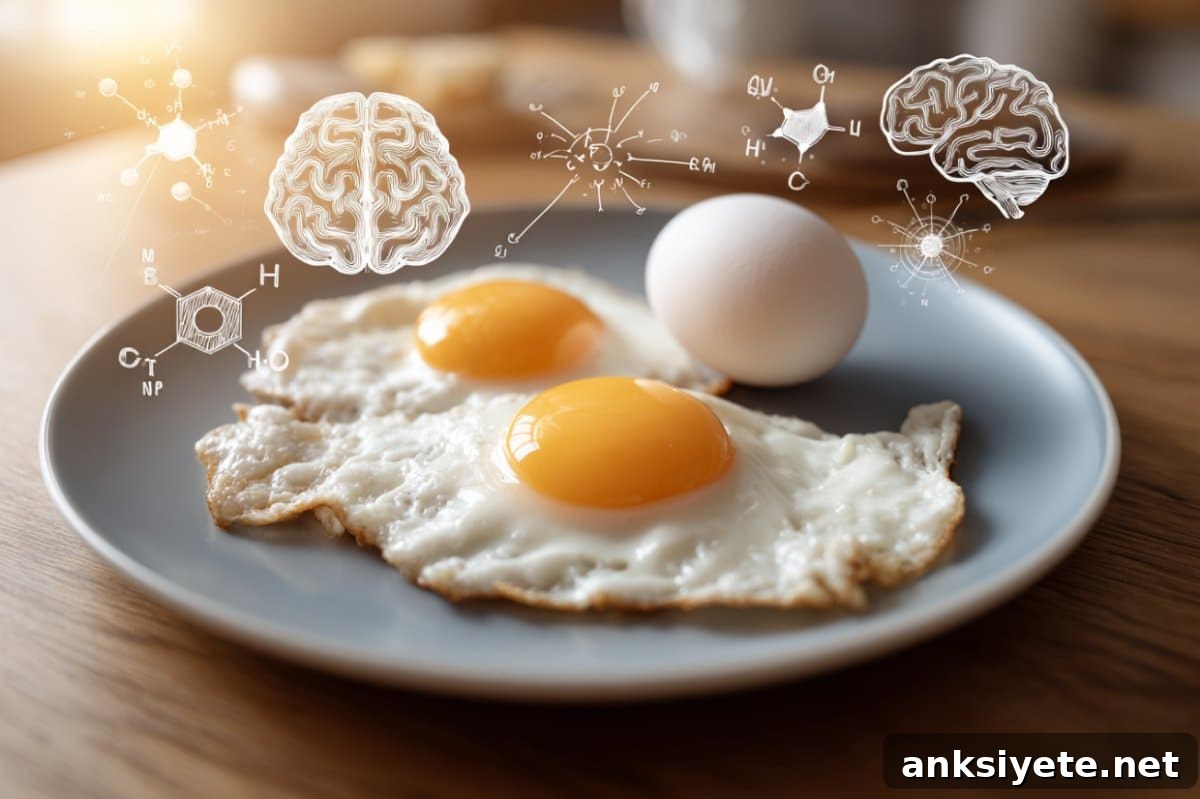
Study Finds Eating Eggs May Lower Alzheimer’s Risk

featured 111680

Summary: A large cohort study of older adults found that eating at least one egg per week was associated with a substantially lower risk of developing Alzheimer’s dementia. Autopsy results from a subset of participants also showed reduced Alzheimer’s-related brain pathology among more frequent egg consumers. The protective association was partially explained by higher dietary … Read more

How Your Brain Detects Others’ Emotions Unconsciously

featured 111676

Summary: A new fMRI study shows that the human brain encodes two separate representations when we evaluate others’ emotions: the speaker’s intended emotional intensity and the observer’s conscious inference. Researchers trained machine-learning models on observers’ brain activity to predict both the speaker’s self-reported feelings and the observer’s moment-by-moment judgments, revealing distinct but overlapping neural signatures … Read more

How Attention and Movement Warp Our Sense of Time

featured 111672

Summary: A recent study shows that the way we move alters our sense of time—not only because of physical exertion, but because motor control and cognitive demands draw on attention. Participants overestimated how long a stimulus lasted while running, walking backward, or performing a distracting mental task, compared with standing still. Because walking backward and … Read more

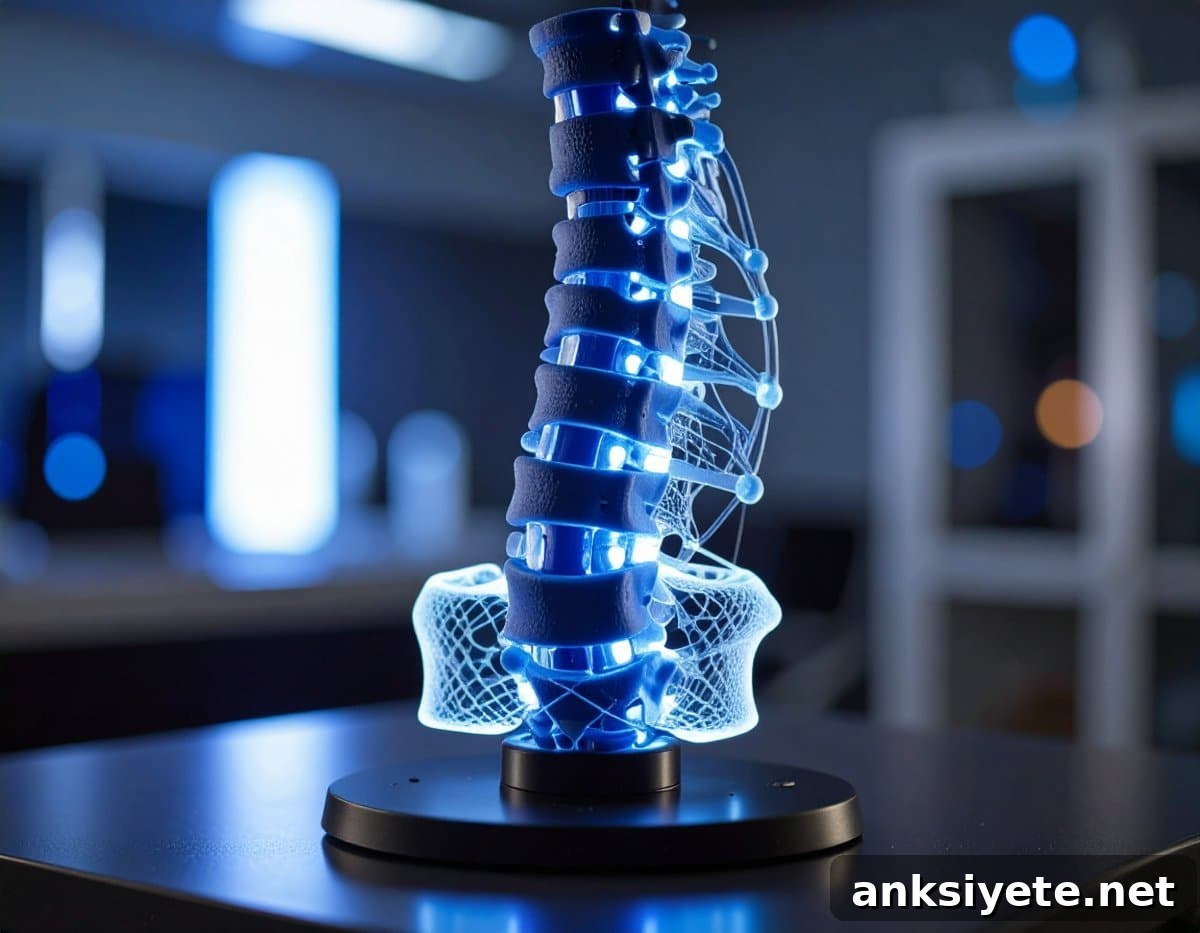
3D-Printed Implant Restores Function After Spinal Cord Injury

featured 111668

Summary: Researchers at RCSI University of Medicine and Health Sciences have created a 3D-printed implant that delivers focused electrical stimulation to injured spinal cord tissue, encouraging nerve regeneration. The soft, biomimetic device contains a fine, electrically conductive mesh that mimics the spinal cord’s architecture and, in laboratory tests, improved growth of neurons and stem cells. … Read more