
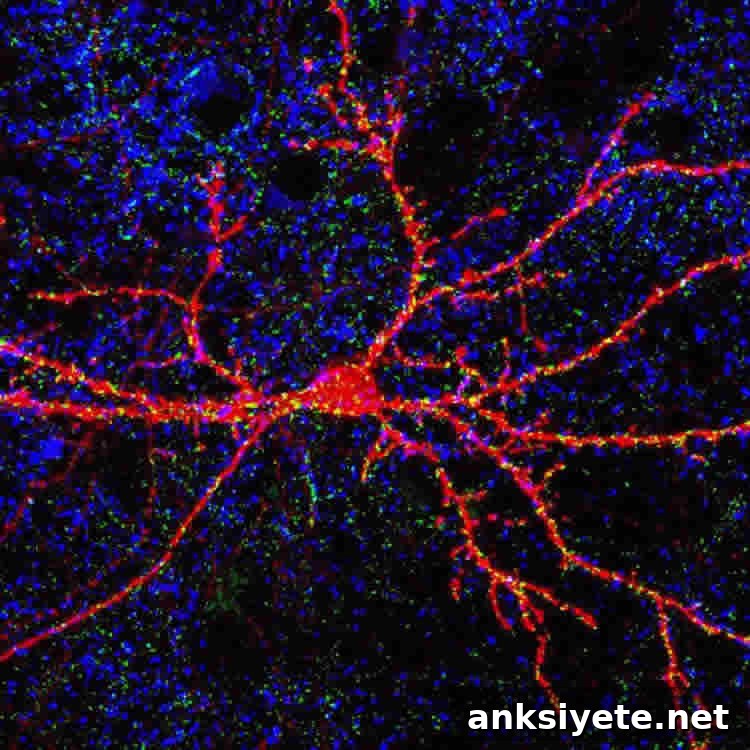
Study reveals novel role for the Pin1 molecule
A synapse may appear as a tiny, empty space, but it is one of the brain’s most active and dynamic sites. As an electrical signal reaches the presynaptic terminal, it is converted into a chemical message that crosses the synaptic cleft and is then translated back into an electrical signal in the postsynaptic neuron. This conversion and the structures that support it enable rapid communication between neurons and also allow the strength and efficacy of that communication to change over time—a property known as synaptic plasticity. New research, led by scientists at SISSA with collaborators from the University of Zurich, LNCIB in Trieste, and EBRI in Rome, demonstrates that the small enzyme Pin1 (peptidyl prolyl isomerase) plays an important regulatory role at inhibitory synapses and influences synaptic plasticity.
“In our study we focused on inhibitory synapses,” explains Paola Zacchi, a SISSA researcher who coordinated the work. “An inhibitory synapse reduces the likelihood that the postsynaptic neuron will fire an action potential. We found that when Pin1 is absent from the synapse, inhibitory signals are transmitted at full strength and lack the normal regulatory control. When Pin1 is present, it tempers the inhibitory signal by reducing the number of postsynaptic receptors available to bind neurotransmitter. Fewer receptors at the postsynaptic membrane means a weaker inhibitory response, and that modulation indicates Pin1 contributes to synaptic plasticity.”
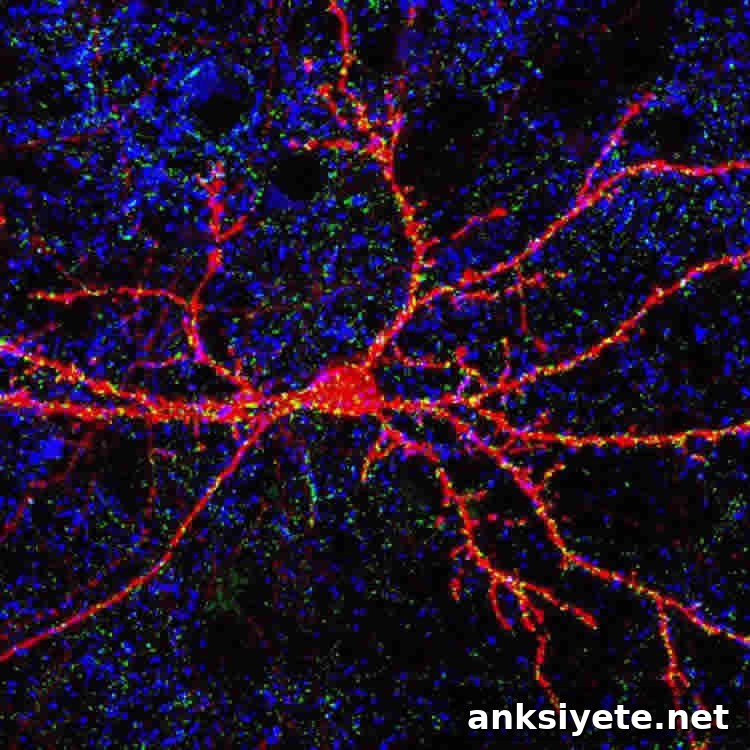
More in detail
How does a chemical synapse function? In vertebrates the most common form of synaptic communication relies on a small gap—typically around 20 nanometres—separating the presynaptic and postsynaptic membranes. The electrical signal travelling down the axon is interrupted at the presynaptic terminal and converted into a burst of neurotransmitter molecules released into the synaptic cleft. These neurotransmitters diffuse across the gap and bind to specific receptor proteins clustered on the postsynaptic membrane. The receptor binding either excites or inhibits the postsynaptic cell depending on receptor type and ion flow.
When an excitatory synapse is activated, postsynaptic receptor engagement typically increases the probability of generating another action potential. By contrast, at inhibitory synapses—like the ones examined in this study—the neurotransmitter binding causes hyperpolarization or shunting inhibition that reduces the likelihood of postsynaptic firing. The strength of either excitatory or inhibitory transmission depends not only on the amount of neurotransmitter released but also on the number and positioning of receptors on the postsynaptic membrane.
Several accessory proteins control receptor placement and stability. Scaffold proteins help cluster receptors opposite sites of neurotransmitter release, ensuring precise alignment for efficient signaling. Neuroligins are trans-synaptic adhesion molecules that form bridges between pre- and postsynaptic specializations and interact with scaffold proteins to stabilize synaptic architecture. The new work shows that Pin1 interacts with both neuroligins and scaffold proteins to influence their association, altering the number of functional receptors at inhibitory synapses and thereby tuning inhibitory transmission.
Pin1 has been studied previously in contexts such as cancer biology and neurodegenerative disease, and neuroligins have been implicated in neurodevelopmental conditions including autism. This study adds to our understanding by revealing a specific biochemical pathway through which Pin1 modulates inhibitory synapses—highlighting how enzymatic regulation can shape the balance of excitation and inhibition in neural circuits. Because proper inhibitory signaling is essential for circuit stability, timing, and information processing, uncovering molecular regulators like Pin1 helps explain mechanisms of healthy brain function and points to avenues for exploring dysfunction in a variety of neurological and psychiatric disorders.
Beyond the immediate findings, this research advances fundamental knowledge of how protein interactions at the synapse control receptor composition and synaptic strength. Such insights are valuable for laboratories investigating synaptic development, plasticity, and the molecular basis of disease. By identifying Pin1 as a negative regulator of GABAergic transmission through modulation of neuroligin2–gephyrin interactions, the study provides a clearer molecular picture of how inhibitory synapses are tuned in the brain.
Contact: Federica Sgorbissa – SISSA
Source: SISSA press release (Enzyme and synaptic plasticity)
Image Source: Image credited to SISSA and adapted from the press release
Original Research: Full open access research: “Pin1-dependent signalling negatively affects GABAergic transmission by modulating neuroligin2/gephyrin interaction” by Roberta Antonelli, Rocco Pizzarelli, Andrea Pedroni, Jean-Marc Fritschy, Giannino Del Sal, Enrico Cherubini and Paola Zacchi, published in Nature Communications (published online October 9, 2014). DOI: 10.1038/ncomms6066