Genetic Depression Risk Linked to Blunted Reward Signals
featured 112066

Key Questions Answered Q: How does genetic risk for depression affect the brain?A: Young adults with higher polygenic risk scores for depression show reduced brain activation in regions involved in attention, decision-making, and sensory processing when responding to rewards and punishments. Q: Does this occur before symptoms of depression appear?A: Yes. The altered neural responses … Read more
How a Brain Lipid Could Control Your Emotions

featured 112062

Key Questions Answered Q: What did researchers discover about the serotonin 5-HT1A receptor?A: They mapped how the 5-HT1A receptor activates distinct brain signaling pathways at the molecular level, clarifying how it influences mood, emotion, and cognition. Q: Why is this important for antidepressants and antipsychotics?A: A clearer molecular picture of 5-HT1A signaling can guide the … Read more

Signs of Multiple Sclerosis Show Up 15 Years Before Diagnosis

featured 112058

Key Questions Answered Q: How early can signs of multiple sclerosis appear?A: This large study detected increased healthcare use linked to MS-related complaints as far back as 15 years before an official diagnosis. Q: What early symptoms did people with MS report?A: People later diagnosed with MS commonly sought care for non‑specific problems such as … Read more

Leptin Could Transform Diabetes Treatment

featured 112054

Key Questions Answered Q: What is diabetic ketoacidosis (DKA) and why is it dangerous?A: Diabetic ketoacidosis (DKA) is a serious metabolic emergency that occurs when the body lacks sufficient insulin and begins breaking down fat for fuel. This process produces high levels of blood glucose and acidic ketone bodies, which can quickly become life-threatening without … Read more

How Emotional Conditioning Shapes Empathy

featured 112049

Key Questions Answered Q: Can empathy be learned through emotional reward?A: Yes. The research reported that when another person’s happiness is repeatedly paired with a personal benefit, the observer’s brain begins to register positive feelings in response to that person’s joy, and empathy increases. Q: Does the learned empathy persist after rewards stop?A: Yes. Participants … Read more

Drug Targeting Brain Glial Cells Reverses PTSD Symptoms

featured 112041

Key Questions Answered Q: Why do people with PTSD have trouble forgetting traumatic memories?A: Recent research shows that excessive GABA produced by astrocytes via the MAOB enzyme interferes with the brain’s normal fear-extinction processes, preventing the unwanted persistence of traumatic memories. Q: What is KDS2010 and how might it help treat PTSD?A: KDS2010 is a … Read more

Brain Uses Distinct Neural Circuits to Separate Stuff and Things

featured 112033

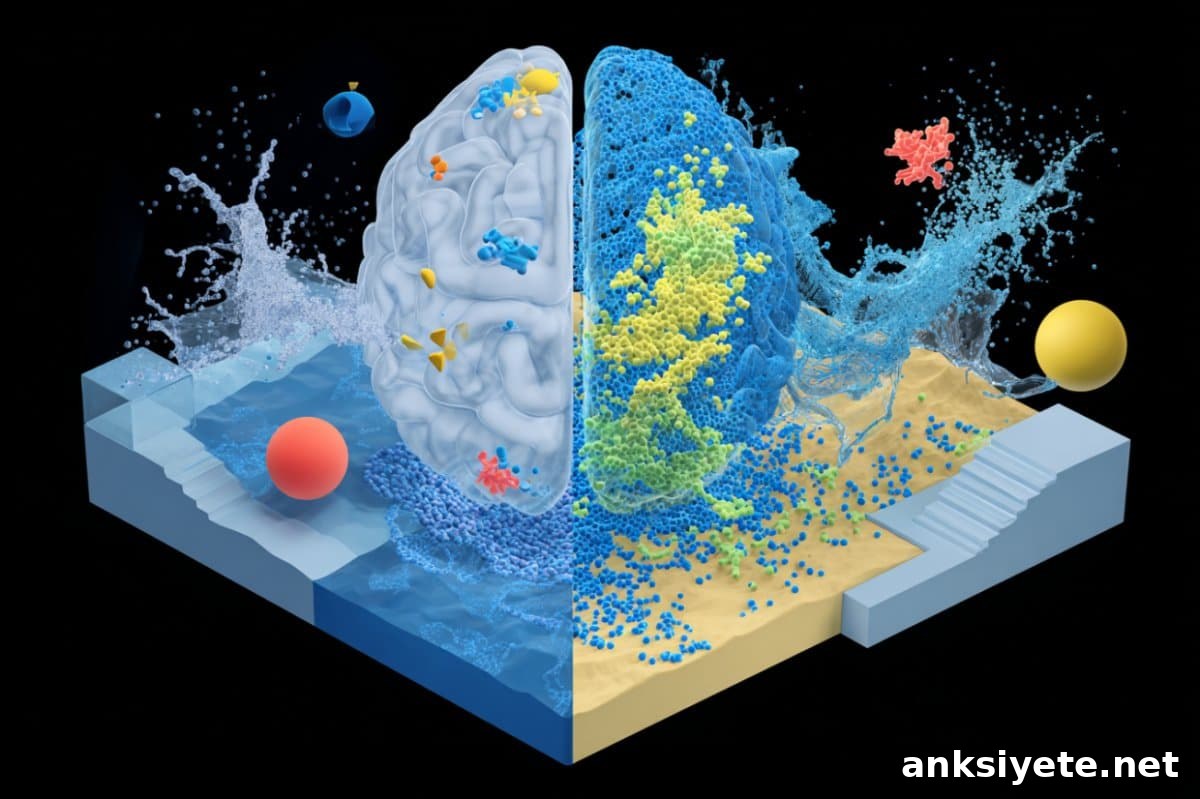
Key Questions Answered Q: What did the study reveal about how the brain processes different materials?A: Researchers found that distinct brain regions show preferential responses to rigid objects versus non-solid materials like liquids and granular substances. Q: Why is that distinction important?A: It helps the brain choose appropriate actions—grasping or lifting for solid objects, versus … Read more

Long COVID and the Rise in Gut-Brain Disorders

featured 112024

Key Questions Answered Q: What are disorders of gut-brain interaction (DGBIs)?A: Disorders of gut-brain interaction (DGBIs) are chronic conditions — including irritable bowel syndrome (IBS) and functional dyspepsia — in which communication between the gut and the brain is disrupted. They produce persistent gastrointestinal symptoms without clear structural or biochemical causes. Q: How much did … Read more

Scientists Discover Brain Mechanism That Controls Sensory Input

featured 112016

Key Questions Answered Q: What part of the brain does this study focus on?A: The study investigates the feedback loop between the thalamus and the somatosensory cortex, concentrating on how specific thalamic projections influence pyramidal neuron excitability. Q: What is the key discovery about sensory perception?A: The researchers identified a modulatory mechanism in which thalamic … Read more

Boost Focus at Home with AI Brain Stimulation

featured 112008

Key Questions Answered Q: What does the system do?A: The system combines artificial intelligence with non-invasive brain stimulation to improve sustained attention during mentally demanding tasks performed at home. Q: How is it personalised?A: The AI tailors stimulation intensity to individual traits such as head size and current attention level, removing the need for expensive … Read more