Study Shows Living Near the Ocean Could Add Years to Your Life

featured 111994

Key Questions Answered Q: Does living near water improve life expectancy?A: Yes—but the benefit is mainly observed for people who live within roughly 30 miles of an ocean or gulf. Coastal populations tend to live longer than the national average, while residents near inland rivers or lakes in urban areas may experience slightly lower life … Read more
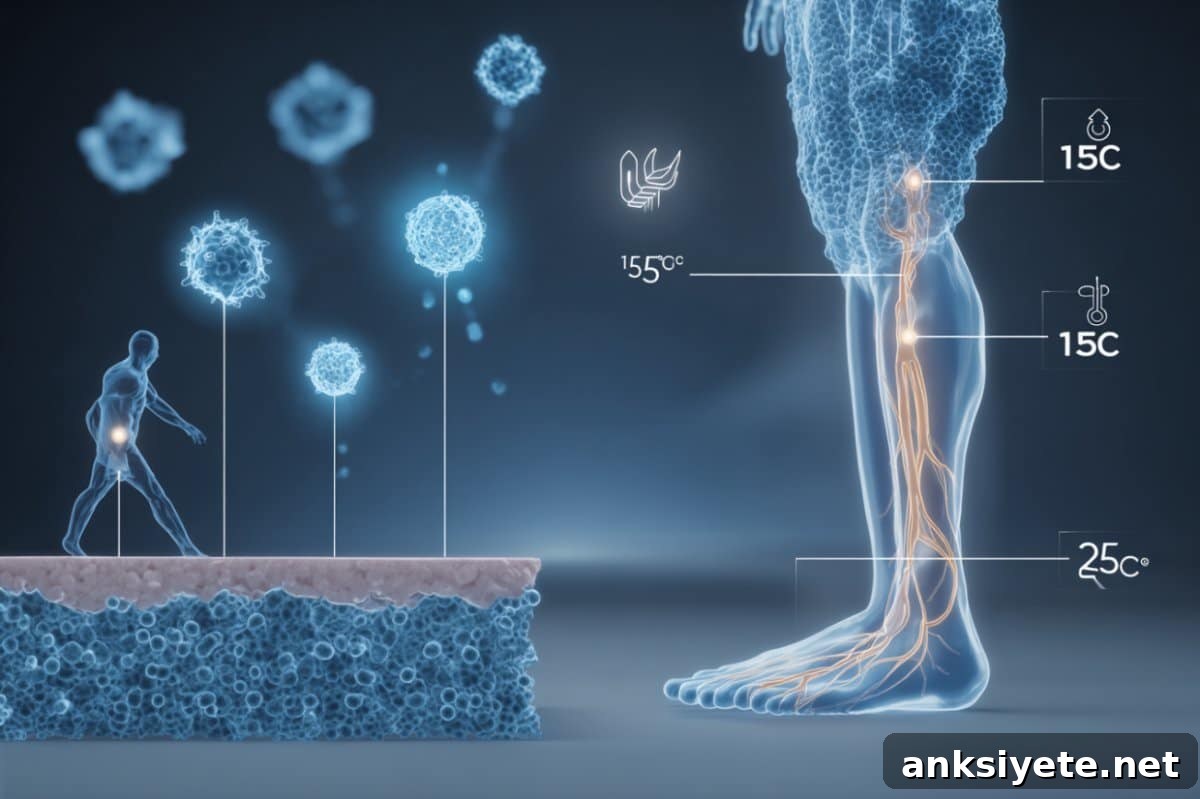
How Cold Touch Signals Travel from Skin to Brain

featured 111990

Key Questions Answered Q: What did researchers discover about how we sense cool temperatures?A: The study traced a complete neural pathway from the skin to the brain that specifically detects innocuous cool temperatures, and showed how that signal is amplified within the spinal cord before reaching higher centers. Q: Why is this discovery important?A: This … Read more

How Expectations Shape Your Pain Experience

featured 111986

Key Questions Answered Q: How do expectations influence pain perception?A: Expectations formed from immediate external cues (for example, visual signals that predict pain intensity) and expectations formed from information about treatments (such as verbal reassurance or placebo explanations) both can reduce how much pain people report. However, they operate through distinct psychological processes and engage … Read more

How Women’s Ovulation Scent Affects Male Stress and Attraction

featured 111982

Key Questions Answered Q: What did the study find about female body odor during ovulation?A: Researchers identified three volatile scent compounds that rise during ovulation and, when blended into model armpit odors, made those samples smell more pleasant to men. Men who smelled these samples also rated the faces paired with the scents as more … Read more

Study: Irregular Sleep Linked to 172 Diseases

featured 111978

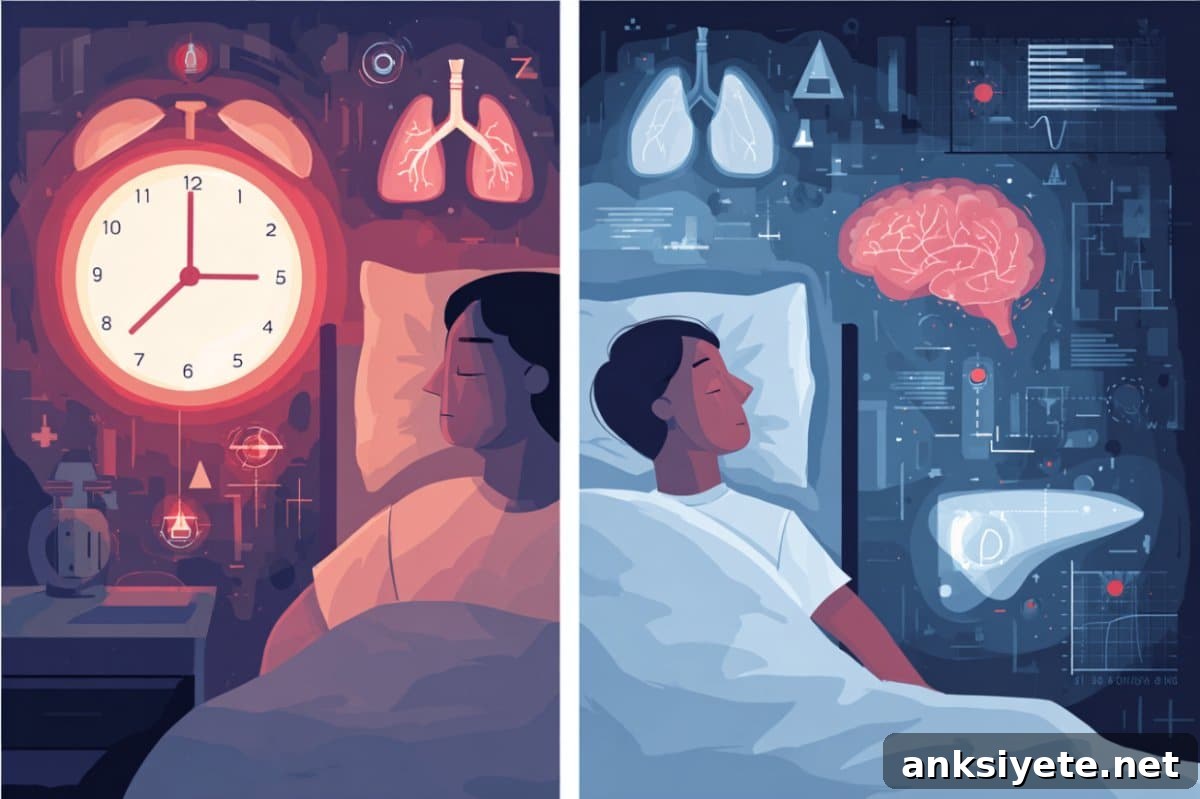
Key Questions Answered Q: What did this study reveal about sleep and health?A: An analysis of objective sleep measurements from more than 88,000 adults linked poor sleep patterns—particularly irregular bedtimes and unstable circadian rhythms—to higher risk for a wide range of diseases across many body systems. Q: Which sleep traits were most harmful?A: Late bedtimes … Read more

Gut Microbiome Linked to Chronic Fatigue and Long COVID

featured 111974

Key Questions Answered Q: What did the study reveal about ME/CFS? A: The study shows that myalgic encephalomyelitis/chronic fatigue syndrome (ME/CFS) disrupts critical interactions among the gut microbiome, the immune system, and metabolic pathways. Researchers identified biological signatures that distinguish people with ME/CFS from healthy individuals with high accuracy. Q: How does the AI platform … Read more

How Astrocytes Synchronize Neural Circuits

featured 111966

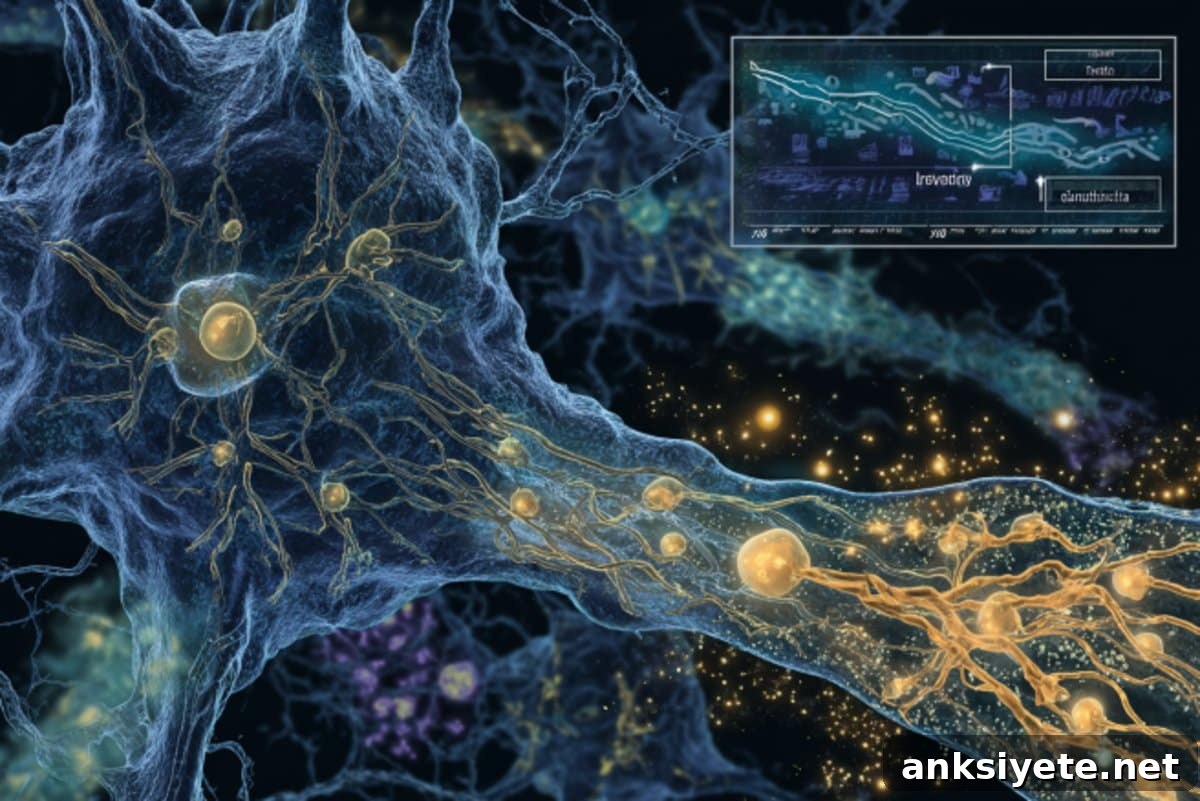
Key Questions Answered Q: What did scientists discover about astrocytes and information encoding?A: Researchers found that astrocytes control ambient GABA levels through the astrocyte-specific transporter Gat3. This regulation is critical for coordinating groups of neurons so they can efficiently encode visual information. Q: What happened when Gat3 was removed from astrocytes?A: Removing Gat3 from astrocytes … Read more

Childhood Trauma Rewires the Brain, Triggering Lifelong Aggression

featured 111962

Key Questions Answered: Q: What brain region is being studied to understand aggression?A: Researchers are focusing on the thalamic nucleus reuniens, a central hub that links memory, emotion, and decision-making regions and may be critical to impulsive aggression that follows traumatic experiences. Q: How does early-life trauma influence aggression later in life?A: Childhood trauma can … Read more

How the Brain Replays Emotional Memories

featured 111957

Key Questions Answered:Q: Why do emotional memories feel more vivid than neutral ones?A: Emotional memories are encoded through a coordinated interaction between the amygdala and hippocampus, which strengthens recall. Q: What did the study reveal about brain activity during memory retrieval?A: Specific high-frequency gamma patterns that originate in the amygdala during emotional encoding are later … Read more

Could Mental Illness Begin Before Birth?

featured 111952

Key Questions Answered: Q: When do genes linked to mental illness start affecting the brain?A: A substantial number of genes associated with neuropsychiatric and neurodegenerative conditions become active during the earliest stages of fetal brain development—much earlier than many researchers previously assumed. Q: How did researchers uncover this early genetic activity?A: The team simulated the … Read more