New Study Finds Altered Brain Structure in Children with ADHD
featured 112667

Summary: Researchers validated a new MRI harmonization technique called the traveling-subject (TS) approach to address inconsistencies in brain imaging studies of attention-deficit/hyperactivity disorder (ADHD). By scanning the same healthy volunteers across multiple MRI scanners, the team measured and corrected scanner-related bias while preserving true biological differences. Using TS-corrected data, they found reduced gray matter volume … Read more

Dietary Intervention May Slow Aggressive Brain Tumor Growth

featured 112655

Summary: A new University of Michigan study shows that glioblastoma, the most aggressive form of brain cancer, rewires how it uses glucose. While healthy brain tissue channels sugar into energy and neurotransmitter production, glioblastoma diverts glucose toward creating the building blocks of DNA and RNA, supporting rapid tumor growth and invasion. Using labeled glucose in … Read more

Metal-Organic Framework Neurons Mimic Dopamine Brain Signals

featured 112651

Summary: Researchers have built the first metal–organic framework (MOF) neuron that operates in aqueous environments and responds to the neurotransmitter dopamine. Unlike conventional solid-state devices, this MOF-based artificial neuron reproduces key biological functions—synaptic plasticity, integrate-and-fire dynamics, and dopamine-tunable spiking—bringing neuromorphic systems closer to real biological behavior. In a proof-of-concept demonstration, the MOF neuron was used … Read more

Childhood Stress Alters Astrocytes and Raises Depression Risk

featured 112643

Summary: New research shows that astrocytes in the lateral hypothalamus are central to how stress — especially stress experienced early in life — reshapes behavior. In mice, early-life stress produced smaller, less branched astrocytes and altered activity of orexin-producing neurons, with opposite activity patterns emerging in males and females. When the research team removed stress … Read more

Fear Extinction: How the Brain Erases Traumatic Memories

featured 112630

Summary: For the first time, scientists have identified the electrophysiological brain signals associated with extinguishing fear memories in humans. Using implanted electrodes and representational similarity analysis (RSA), researchers found that theta-frequency activity in the amygdala increases when cues previously linked to unpleasant events are relearned as safe. These extinction memories proved to be strongly context-dependent, … Read more

Upbeat Music May Relieve Carsickness

featured 112626

Summary: Researchers using a calibrated driving simulator found that different types of music can meaningfully influence recovery from motion sickness. Participants who listened to joyful or soft music experienced the largest reductions in symptoms, while sad music slowed recovery compared with doing nothing. Electroencephalogram (EEG) recordings revealed brain activity changes associated with symptoms, suggesting music … Read more

Chronic Stress Pushes Immune Cells Into Brain Fueling Depression

featured 112608

Summary: New research in mice shows that chronic stress can cause neutrophils—an immune cell type—to leave skull bone marrow and accumulate in the meninges, the membranes that protect the brain. These meningeal neutrophils are linked to depressive-like behaviors, and blocking a specific immune alarm pathway (type I interferon signaling) reduced neutrophil accumulation and improved mood-related … Read more

Why Attention and Focus Peak Between Ages 27 and 36

featured 112604

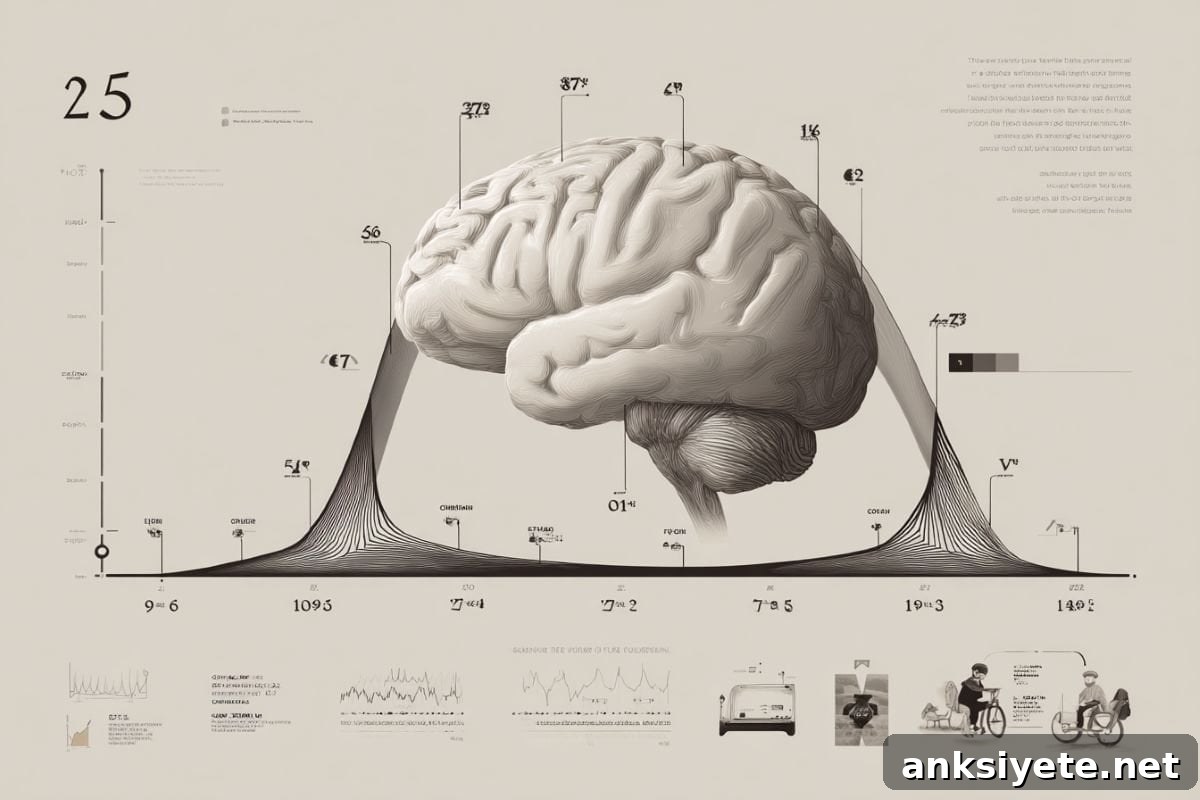
Summary: Researchers synthesized 139 neuroimaging studies covering participants aged 5 to 85 to chart how brain activity supporting cognitive control changes across the lifespan. Their meta-analysis reveals a clear inverted U-shaped trajectory: activity rises through childhood and adolescence, reaches its zenith in early to mid-adulthood (approximately 27–36 years), and then gradually declines in later life. … Read more

Freezing Brain Molecules May Halt Brain Cancer Metastasis

featured 112600

Summary: Researchers have discovered a novel way to prevent glioblastoma — the most aggressive form of brain cancer — from spreading by changing the tumor’s environment instead of attacking the cancer cells directly. The team demonstrated that cancer cells depend on flexible hyaluronic acid (HA) molecules in the brain’s extracellular matrix to engage receptors and … Read more

Alzheimer’s Driven by Epigenetic Breakdown, Not Just Plaques

featured 112596

Summary: A large-scale single-cell study reveals that Alzheimer’s disease involves widespread erosion of epigenomic control — the mechanisms brain cells use to keep their gene expression stable. By building a multimodal atlas of 3.5 million cells from multiple brain regions, researchers show that vulnerable neurons and supporting cells in memory-critical areas such as the hippocampus … Read more