New Alzheimer’s Research Targets Immune System Balance
featured 112875

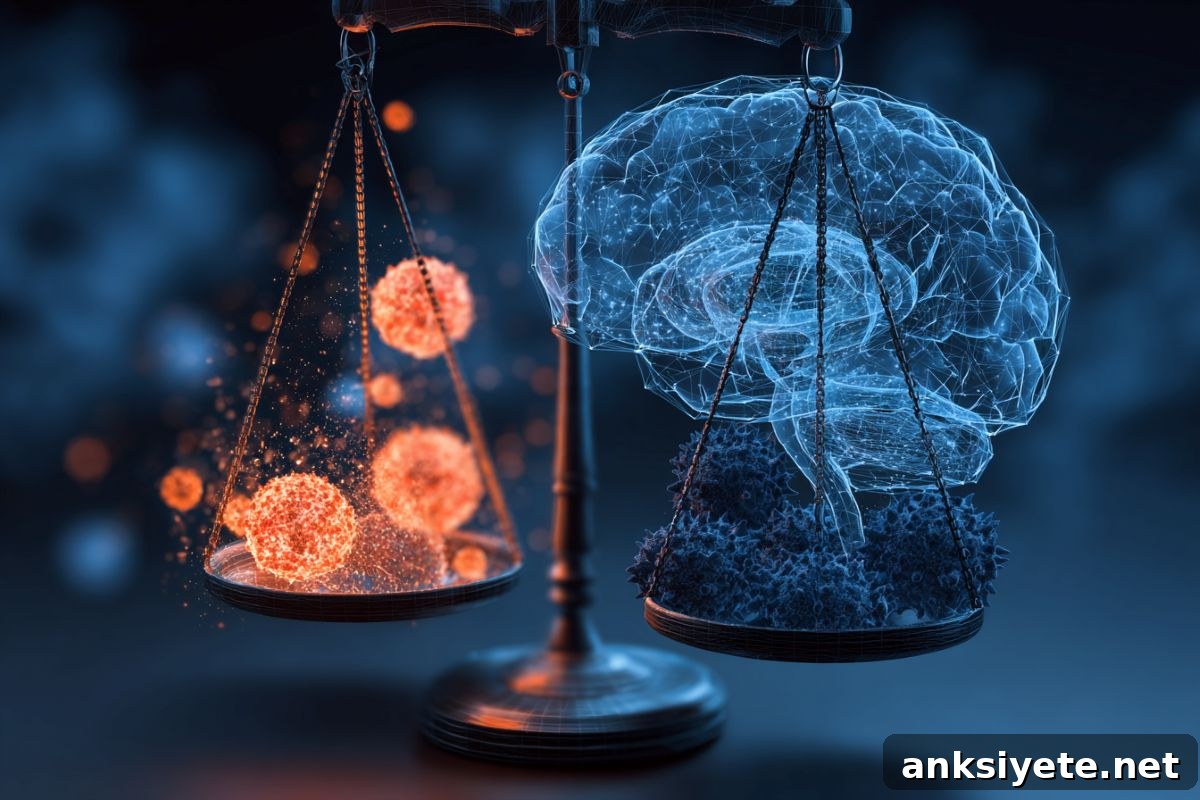
Summary: Alzheimer’s disease affects more than 55 million people worldwide and has traditionally been associated with toxic protein buildups and chronic brain inflammation. A recent review highlights a crucial role for adaptive immune cells—T cells and B cells—in the disease process. These cells can either exacerbate neural injury or provide protective effects depending on their … Read more
Clumped Brain Cancer Cells May Be Less Aggressive

featured 112870

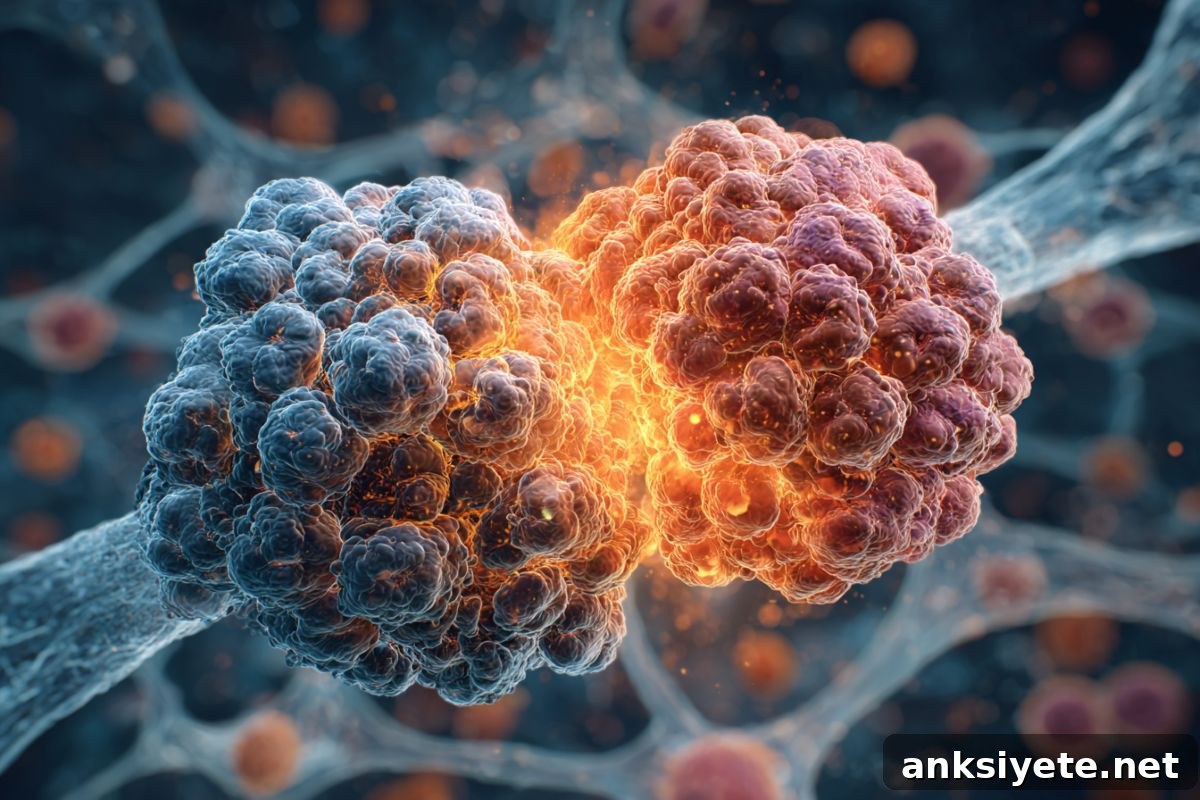
Summary: A new study reveals that glioblastoma cells behave very differently depending on whether they remain in homotypic clusters or disperse through the tumor. Cells that stay clustered tend to be less aggressive and maintain a stable identity, while dispersed cells show increased plasticity—making them more adaptable and more likely to resist therapies. This relationship … Read more

Faster Speech Doesn’t Improve Brain Processing Speed

featured 112866

Summary: New research reveals that when people hear speech at different speeds, the auditory cortex does not change its internal timing to match the sped-up or slowed-down speech. Instead, it processes sound using a fixed temporal window. This challenges the long-standing belief that the brain simply speeds up or slows down its processing to follow … Read more

How Baby’s Movements Strengthen Maternal Bonding

featured 112862

Summary: A recent study found that the frequency of fetal movements in late pregnancy is directly associated with stronger maternal-fetal attachment (MFA). Using an actocardiograph to objectively record fetal activity, researchers observed that higher movement levels predicted greater emotional bonding between pregnant person and fetus. This relationship held even after accounting for maternal mood, gestational … Read more

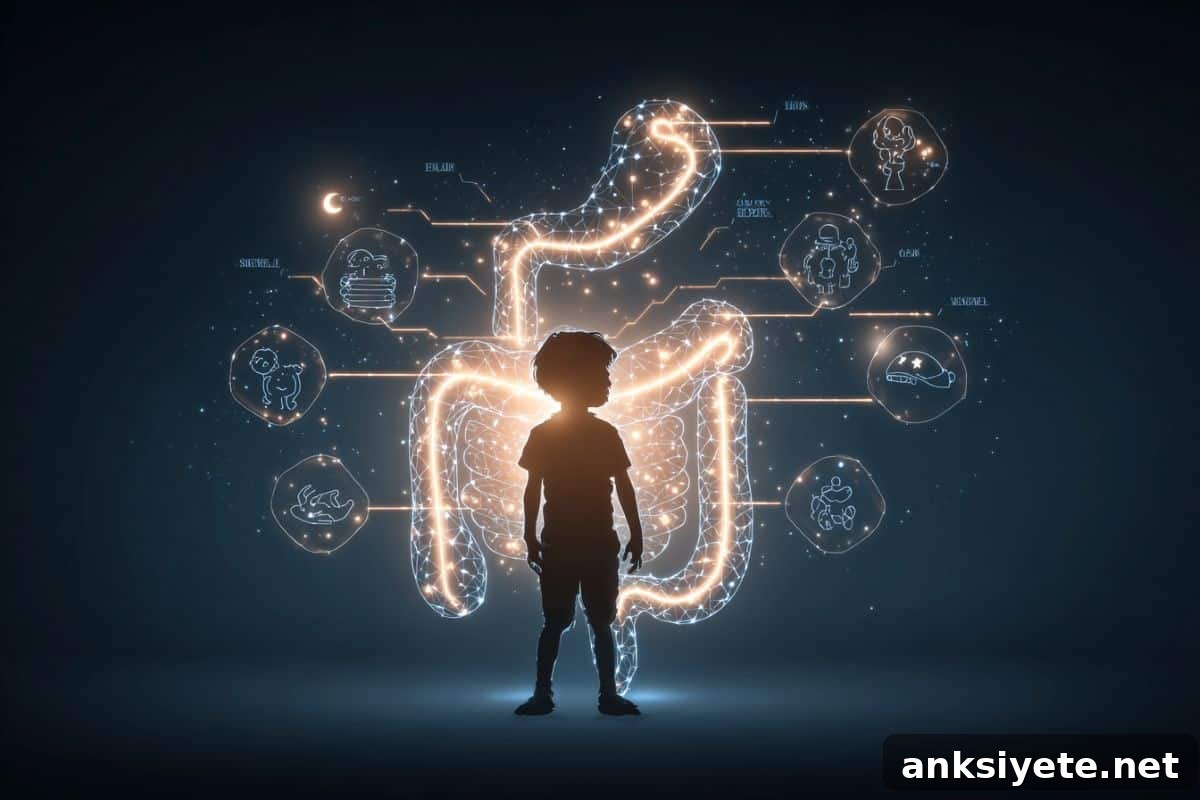
Autism Gut Issues Affect Sleep, Behavior and Sensory Processing

featured 112858

Summary: A long-term UC Davis MIND Institute study tracking 475 children found that children with autism are significantly more likely than their typically developing peers to experience persistent gastrointestinal (GI) problems. These symptoms often occur together, remain through early and middle childhood, and are closely linked to sleep difficulties, communication challenges, behavior differences, and sensory … Read more

Psychedelics Could Treat Concussions and Brain Injuries

featured 112854

Summary: Traumatic brain injury (TBI), including concussions, affects an estimated 69 million people globally each year, yet approved medical treatments remain limited. A new review from the University of Victoria highlights growing evidence that serotonergic psychedelics—especially psilocybin and 5-methoxy-N,N-dimethyltryptamine (5-MeO-DMT)—may reduce harmful inflammation and promote neuroplasticity after brain trauma, offering a potential path toward improved … Read more

Study: How Musicians Tune Out Distractions

featured 112850

Summary: A new study finds that people with musical training are better at focusing on the right sounds in noisy environments. By measuring neural responses while participants attended to one of two simultaneous melodies, researchers observed stronger brain signals associated with conscious, goal-directed attention and weaker signals tied to automatic distraction in musically skilled individuals. … Read more

How the Brain Tunes Rhythms to Shift Between Memory and Novelty

featured 112838

Summary: Researchers have uncovered how the brain flexibly routes information by switching communication channels according to context, balancing recall of stored memories with processing of new sensory inputs. This capability depends on the interaction of slow (theta) and fast (gamma) rhythms and is regulated by two distinct inhibitory circuit motifs. In familiar settings, neuronal activity … Read more

Discover How Oxytocin Drives Empathy and Social Reciprocity

featured 112829

Summary: Researchers developed a fully automated cooperation task and found that rats engage in true reciprocity rather than only acting for immediate mutual benefit. Social interaction improved cooperative success, while reducing interaction impaired it. Experiencing reciprocity also increased empathetic responses: rats with reciprocity experience showed stronger emotional reactions to their partners’ distress. Importantly, oxytocin release … Read more

AI Reads Subtle Facial Signs to Reveal Early Depression Risk

featured 112825

Summary: Early signs of depression can be difficult to notice, yet new research shows that artificial intelligence can detect subtle changes in facial micro-movements that correlate with depressive symptoms. In a study of Japanese undergraduates, students with subthreshold depression were perceived by peers as less expressive, friendly, and likable, even though they did not appear … Read more