Tiny Peptide Promotes Brain Repair After Traumatic Brain Injury
featured 113257

Summary: A tiny four–amino acid peptide called CAQK has shown strong neuroprotective effects in experimental models of traumatic brain injury (TBI). Given intravenously soon after injury in mice and pigs, CAQK homes to damaged brain tissue, binds to proteins that become overexpressed after trauma, and reduces inflammation, cell death, and tissue damage. Animals treated with … Read more
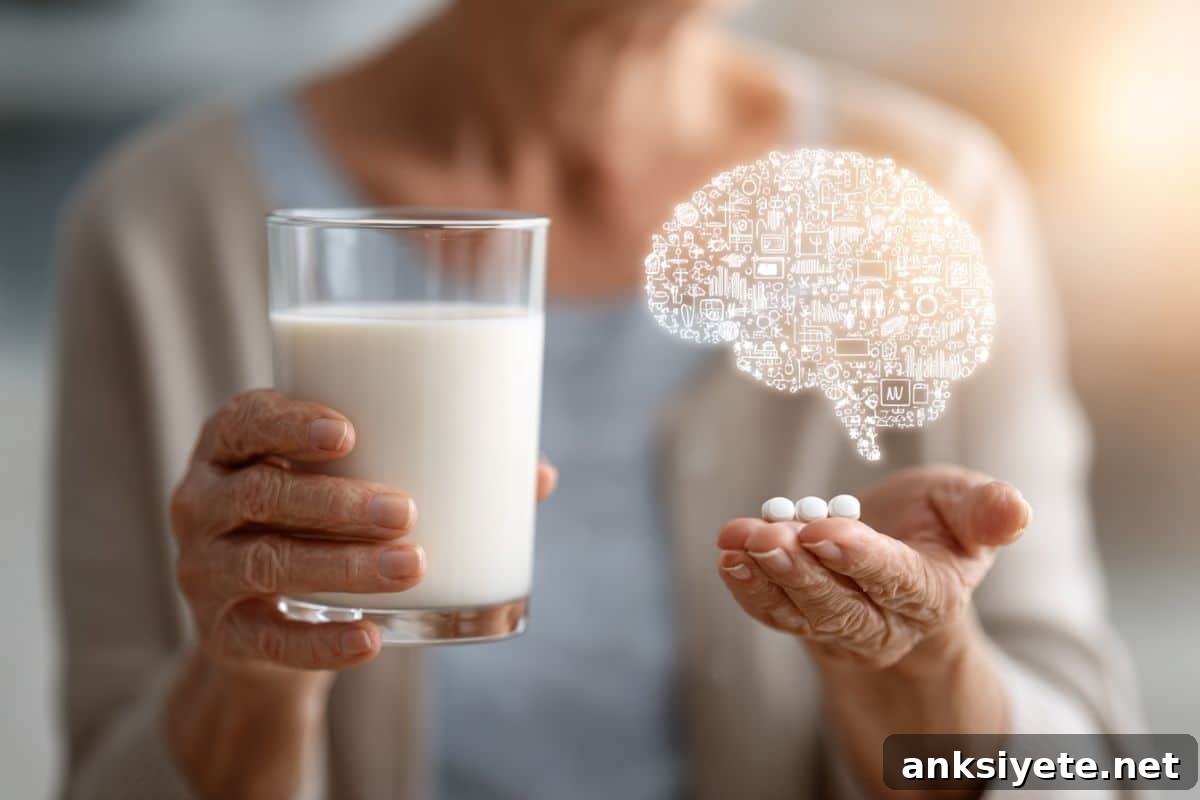
Study Finds Calcium Supplements Don’t Raise Dementia Risk

featured 113249

Summary: A long-term follow-up of more than 1,400 older women found no evidence that calcium supplements increase the risk of dementia. Over 14.5 years of observation, researchers who compared women assigned calcium monotherapy with women given a placebo saw no difference in cognitive outcomes, providing reassurance about the cognitive safety of calcium supplementation in older … Read more

How Social Brain Neurons Decide Dominance and Submission

featured 113245

Summary: Scientists have identified specific brain cells that determine how animals respond to social defeat, providing new insight into the biology of dominance and submission. In male mice, cholinergic interneurons in the dorsomedial striatum were shown to control the “loser effect,” where past defeats reduce an animal’s future social rank. When these neurons were selectively … Read more

Hidden Early Signs of Diabetic Vision Loss

featured 113237

Summary: Researchers have created a powerful live-imaging technique that reveals how immune cells in the retina change their behavior well before the blood vessels show visible damage in diabetic retinopathy. By combining a head-fixation device, custom contact lenses, and a specially chosen objective lens, the team recorded high-resolution, real-time activity of retinal microglia in living … Read more

Brain Shape Could Reveal Earliest Alzheimer’s Symptoms

featured 113233

Summary: A new study finds that aging changes not only the size but also the overall shape of the human brain, with measurable patterns of expansion and compression that relate directly to declines in memory, reasoning and other cognitive abilities. Researchers observed outward bulging in lower and front regions and inward compression in upper and … Read more

CBD Reduces Brain Inflammation in Alzheimer’s Disease

featured 113229

Summary: New research shows that cannabidiol (CBD) can substantially reduce neuroinflammation linked to Alzheimer’s disease. In experiments using a well-established Alzheimer’s mouse model, scientists observed that inhaled CBD lowered activity of several genes that drive inflammation and reduced levels of harmful proinflammatory molecules in the brain. The study found that CBD interacts with distinct immune … Read more

Neurons Use Fat for Energy: Discovery Could Reverse Brain Damage

featured 113225

Summary: New research shows that neurons are not exclusively dependent on glucose for energy; they can also generate and burn fats. When neuronal energy demand rises, cells can produce their own fatty acids by recycling internal membranes and lipid stores — a process that relies on the enzyme DDHD2. Defects in DDHD2 underlie the neurodegenerative … Read more

Rotating AI Images Reveal How Visual Perception Works

featured 113221

Summary: Researchers have created AI-generated “visual anagrams” — images that appear as one object in one orientation and transform into a different object when rotated — to probe how the brain processes perception. Unlike typical optical illusions, these rotating images let scientists present exactly the same visual input while changing high-level interpretation, enabling precise study … Read more

How AI Is Designing the Human Body’s Most Elusive Proteins

featured 113217

Summary: Researchers have developed a new machine learning approach capable of designing intrinsically disordered proteins (IDPs) — flexible, shape-shifting biomolecules that constitute almost 30% of human proteins and have so far resisted accurate prediction and design by tools such as AlphaFold. By combining physics-based molecular simulations with automatic differentiation, the team can tune amino-acid sequences … Read more

Adult Head Injuries Raise Dementia Risk

featured 113213

Summary: A large population-based study from Canada shows that older adults who experience a traumatic brain injury (TBI) face substantially greater risks of developing dementia, requiring publicly funded home care, and being admitted to long-term care. The research finds that TBIs—most often caused by falls—are linked to a marked rise in dementia diagnoses, especially in … Read more