Brain Stimulation Method Measures Consciousness in Alzheimer’s

featured 114526

Summary: A new study finds that a measure of brain complexity—calculated from EEG responses to a single transcranial magnetic stimulation (TMS) pulse—is significantly reduced in people with Alzheimer’s disease. Previously used to distinguish levels of consciousness in disorders of consciousness, this TMS-EEG metric may offer a practical way to assess the integrity of conscious processing … Read more
Early Intervention Boosts Speech Development in Autistic Children

featured 114511

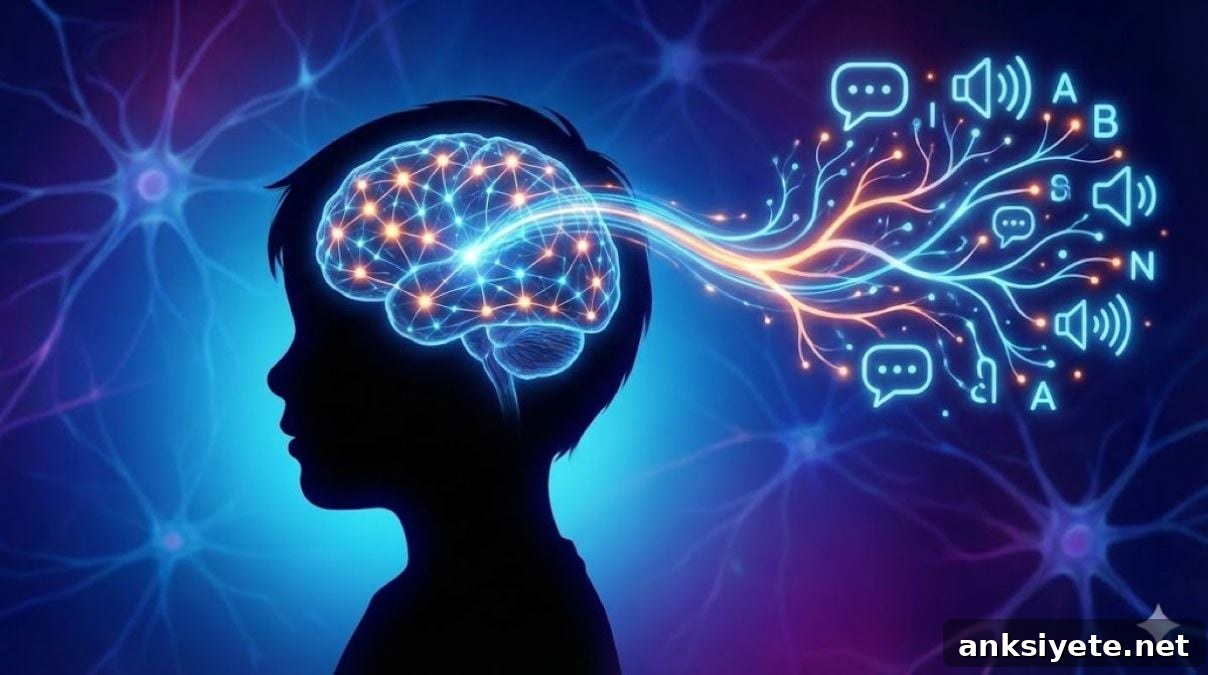
Summary: New research indicates that roughly two-thirds of children with autism who start out non-speaking develop spoken words after receiving evidence-based early intervention. The study highlights modifiable factors—especially the overall duration of therapy and children’s motor imitation skills—that influence language outcomes. Key Facts Success Rates: About 67% of initially non-speaking autistic children produced single words … Read more

Protein Handshake Guides Brain Neurons to Precise Targets

featured 114505

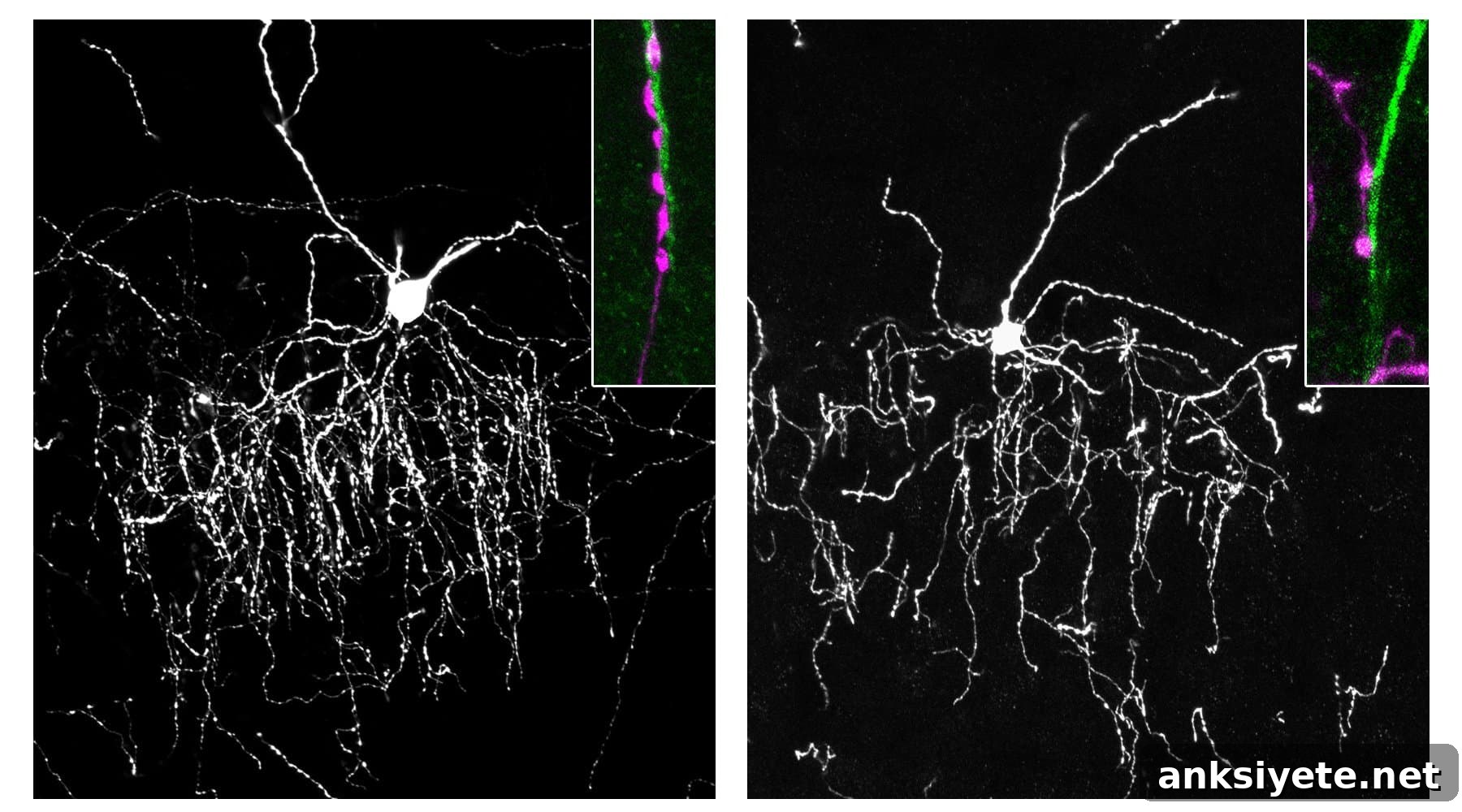
Summary: Researchers have identified specific molecular partners that enable inhibitory chandelier cells to form precise synapses with excitatory pyramidal neurons at the axon initial segment. This targeted connection is essential for controlling neuronal output and maintaining electrical balance in the brain. Disruptions in this process are implicated in neurological and psychiatric disorders such as epilepsy, … Read more

Language Strengths Calculator for Multilingual Speakers

featured 114496

Summary: A new NYU study presents a multilingualism calculator that quantifies how multilingual a person truly is and identifies their dominant language. Instead of relying on vague labels such as “bilingual,” this tool combines the age at which each language was acquired with self-rated listening, speaking, reading, and writing proficiency to produce both a multilingualism … Read more

Early Screen Time Tied to Lasting Brain Changes and Teen Anxiety

featured 114480

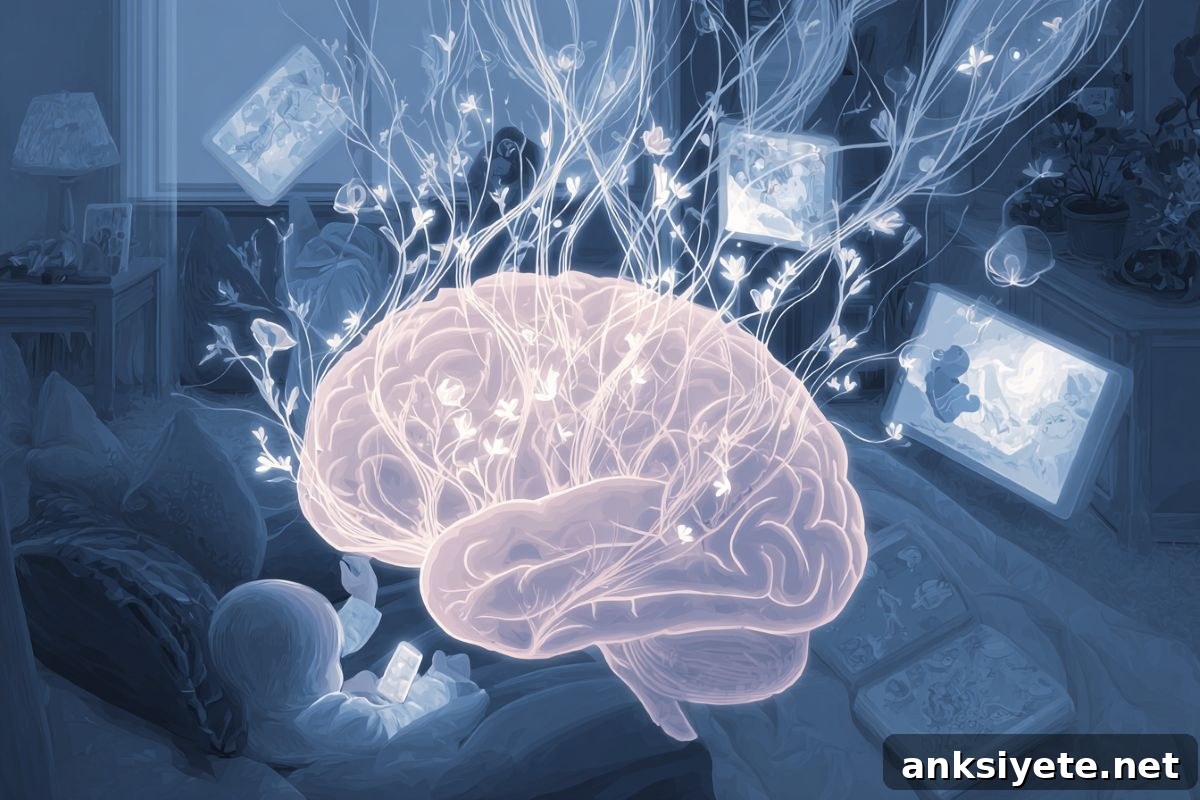
Summary: New longitudinal research tracking children for more than a decade links high screen exposure before age two with earlier-than-normal maturation of certain brain networks, slower decision-making in childhood, and higher anxiety symptoms by adolescence. Infants with greater screen time showed premature specialization in networks involved in visual processing and cognitive control, which later reduced … Read more

Missing Brain Receptor May Explain Autism

featured 114475

Summary: Autistic adults show reduced availability of a key glutamate receptor, mGlu5, across widespread brain regions. This molecular difference supports the theory that an imbalance between excitatory and inhibitory signaling contributes to autism-related traits and may offer new avenues for diagnosis and treatment. Using combined PET and MRI imaging, Yale School of Medicine researchers found … Read more

Question Your Doubts to Boost Motivation

featured 114463

Summary: When people who feel uncertain about an important identity goal are subtly prompted to question the validity of their own doubts, their commitment to that goal can increase. New research shows that inducing meta-cognitive doubt — doubt about one’s doubts — can convert ambivalence into renewed motivation. Two controlled experiments found that participants experiencing … Read more

AI Brain Model Reveals How Neurons Learn and Where They Fail

featured 114459

Summary: A biologically grounded computational model, constructed to mirror real neural circuits and never trained on animal data, learned a visual categorization task in the same way lab animals did—matching their accuracy, variability, and the underlying neural rhythms. By combining fine-scale synaptic rules with a multi-region architecture spanning cortex, striatum, brainstem, and acetylcholine-modulated elements, the … Read more

Engineered Protein Uncovers Hidden Signals Between Neurons

featured 114455

Summary: Researchers have built a next-generation glutamate sensor, iGluSnFR4, that can detect the faint incoming synaptic signals between neurons in living brain tissue. These previously nearly undetectable chemical messages are critical to how neurons combine thousands of glutamate inputs and convert them into an electrical output — the fundamental computation behind learning, memory, decision-making, and … Read more

How Seeing Numbers Changes Spatial Perception

featured 114451

Summary: New research from Tokyo Metropolitan University shows that numbers displayed in our visual field can subtly bias how we judge spatial positions. In classic line-bisection tasks, small numbers shift perceived centers leftward while large numbers shift them rightward, consistent with the idea of a left-to-right mental number line. However, when the same numerical information … Read more