COVID-19 Alters the Brain in Ways the Flu Doesn’t
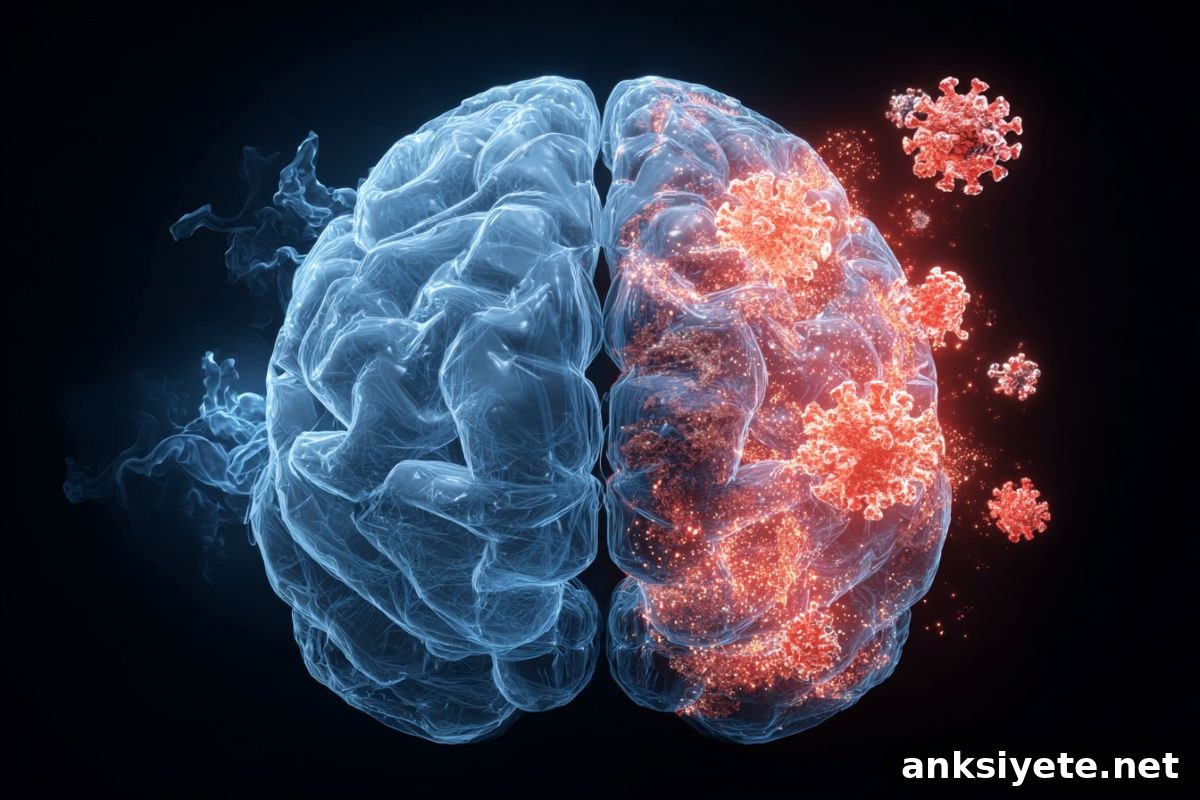
featured 114982

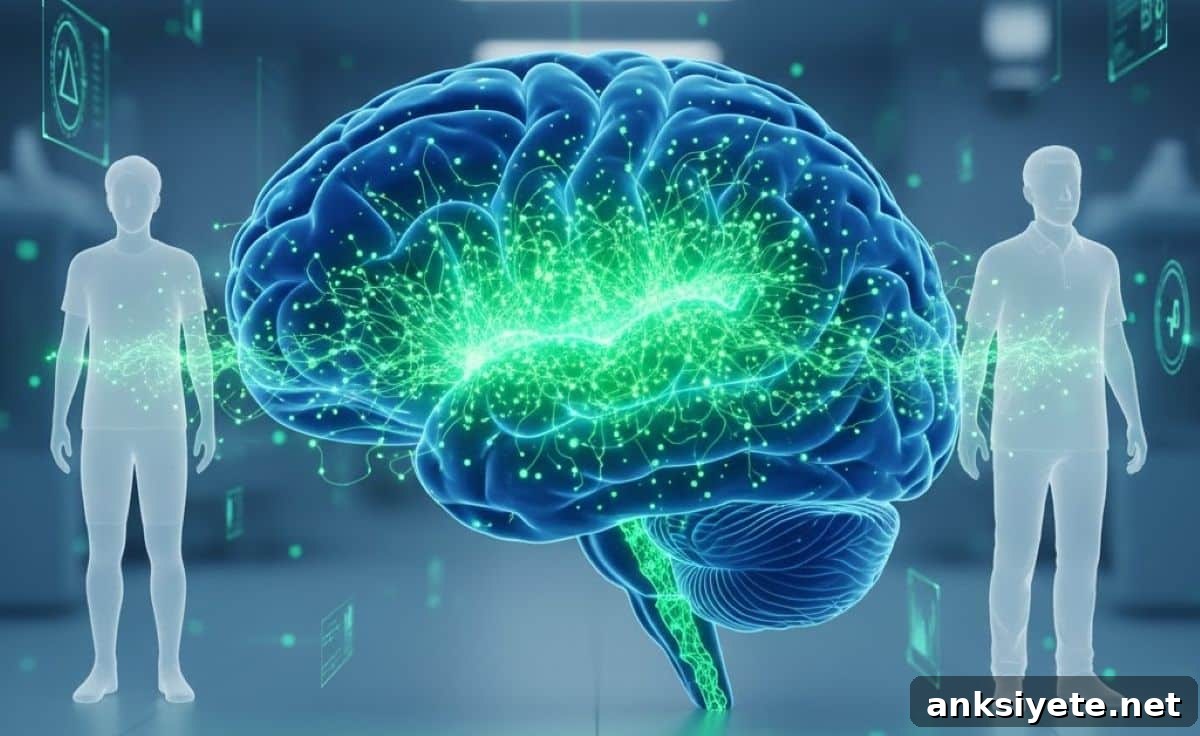
Summary: New research from Tulane University shows that while both influenza and COVID-19 can cause lasting lung damage, only SARS-CoV-2 produces a persistent inflammatory signature in the brain. The study finds small blood‑vessel injury and sustained neuroinflammation weeks after infection has cleared, along with disruptions to serotonin and dopamine pathways that help explain common Long … Read more


Humanity’s Final Exam: Why the Super-Benchmark AI Fails

featured 114978

Summary: Standard AI benchmarks have become too easy. To challenge current systems and map the frontier of machine capability, a global consortium of nearly 1,000 researchers created “Humanity’s Last Exam” (HLE). This 2,500-question assessment covers deeply specialized topics—from translating ancient Palmyrene inscriptions to identifying microanatomical features in birds—designed explicitly to be beyond the reach of … Read more

Mini AI Decodes Macaque Visual Cortex Activity

featured 114973

Summary: Understanding the human brain often means building ever-larger artificial intelligence systems that run on banks of supercomputers. New research takes the opposite approach: by dramatically shrinking powerful AI models, scientists produced a compact vision model that not only fits on a consumer device or in an email attachment but also predicts neural responses in … Read more

Why Superagers’ Brains Keep Growing New Neurons

featured 114969

Summary: Some people in their 80s preserve memories and thinking skills on par with those decades younger. A major new study identifies a likely reason: sustained adult neurogenesis. Researchers report that these so-called “superagers” show substantially greater growth of new neurons in the hippocampus than their peers, while people with Alzheimer’s disease show almost none. … Read more

Gut-Brain-Heart Axis: How Microbes Affect Blood Pressure

featured 114965

Summary: Emerging research suggests high blood pressure and certain forms of heart failure can be influenced by metabolites produced in the gut. Scientists have uncovered a direct communication pathway linking gut bacteria, a specific group of neurons in the brain, and the heart. The bacterial metabolite indole-3 acetic acid (IAA) appears to act as a … Read more

How Sleep Loss Lowers Oxytocin and Impairs Social Memory

featured 114961

Summary: Have you ever had trouble recognizing someone after a night of poor sleep? That difficulty may reflect more than general fatigue—chronic sleep disruption can impair the brain’s social recognition circuits. New research shows that long-term sleep loss weakens oxytocin signaling in two specific neural pathways, undermining both the formation and retrieval of social memories. … Read more

How Dopamine Guides Astrocytes to Shape the Brain

featured 114957

Summary: Learning a new motor skill reorganizes the brain’s movement circuits, and a recent study shows that astrocytes—the star-shaped glial cells long viewed as support cells—play a central, active role in that remodeling. Researchers found that astrocytes in the striatum use the phagocytic receptor MEGF10 to engulf and remove unnecessary synapses. This pruning is directed … Read more

How Boosting Mitochondria Improves Long-Term Memory

featured 114953

Summary: Forming long-term memories demands a large and sustained supply of energy in neurons. New research shows that modestly extending mitochondrial calcium retention — by reducing the activity of the LETM1 protein that exports calcium — can safely prolong ATP production and substantially improve long-term memory formation after a single training session in both fruit … Read more

How Childhood Diet Shapes Your Brain Into Adulthood

featured 114949

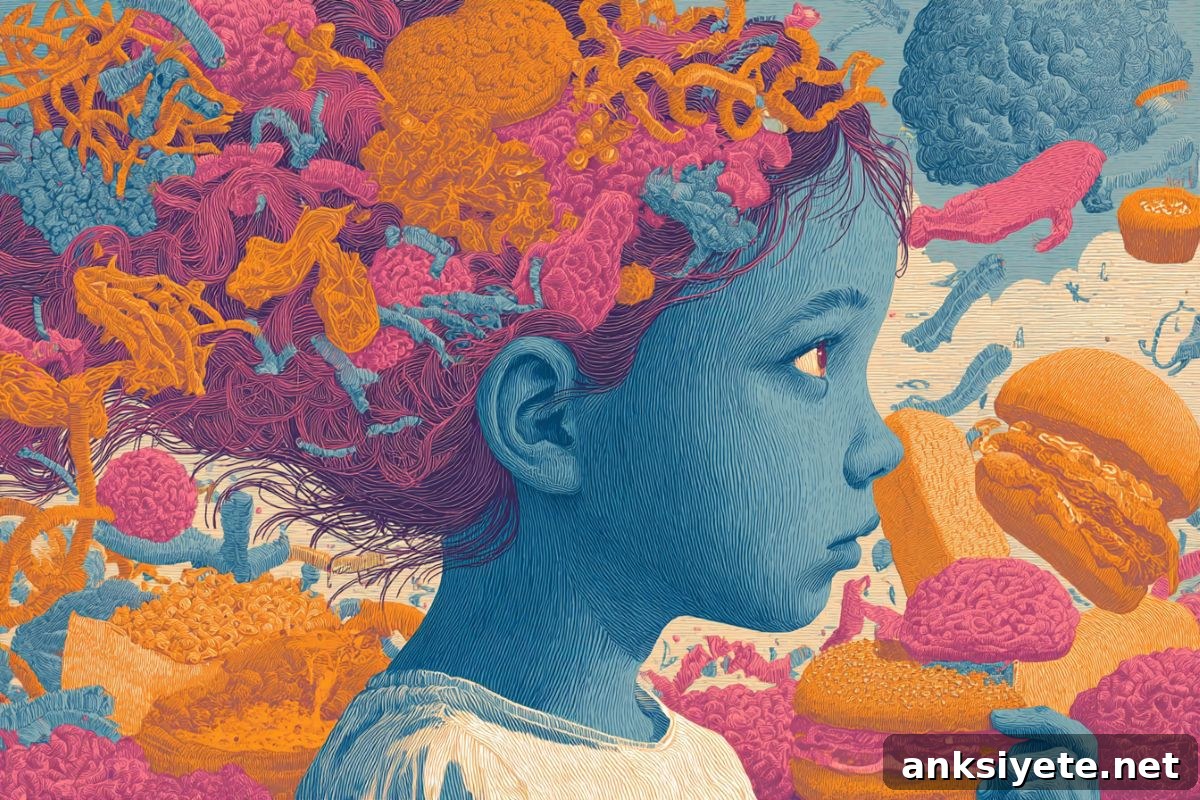
Summary: Unhealthy eating during early life can leave a lasting mark on the brain’s appetite-control center, even if body weight later returns to normal. New research from APC Microbiome at University College Cork (UCC) shows that a high-fat, high-sugar diet in early development causes persistent changes in the hypothalamus that promote unhealthy feeding patterns into … Read more

AI Tools Track Every Neuron in Freely Moving Animals

featured 114945

Summary: Linking brain activity to behavior requires identifying and tracking individual neurons in real time — a task made challenging when the subject is a moving, deforming animal such as a wriggling roundworm or a flexible jellyfish. Researchers at MIT developed three AI-enhanced tools that overcome this alignment-and-annotation bottleneck, automating what used to take months … Read more