
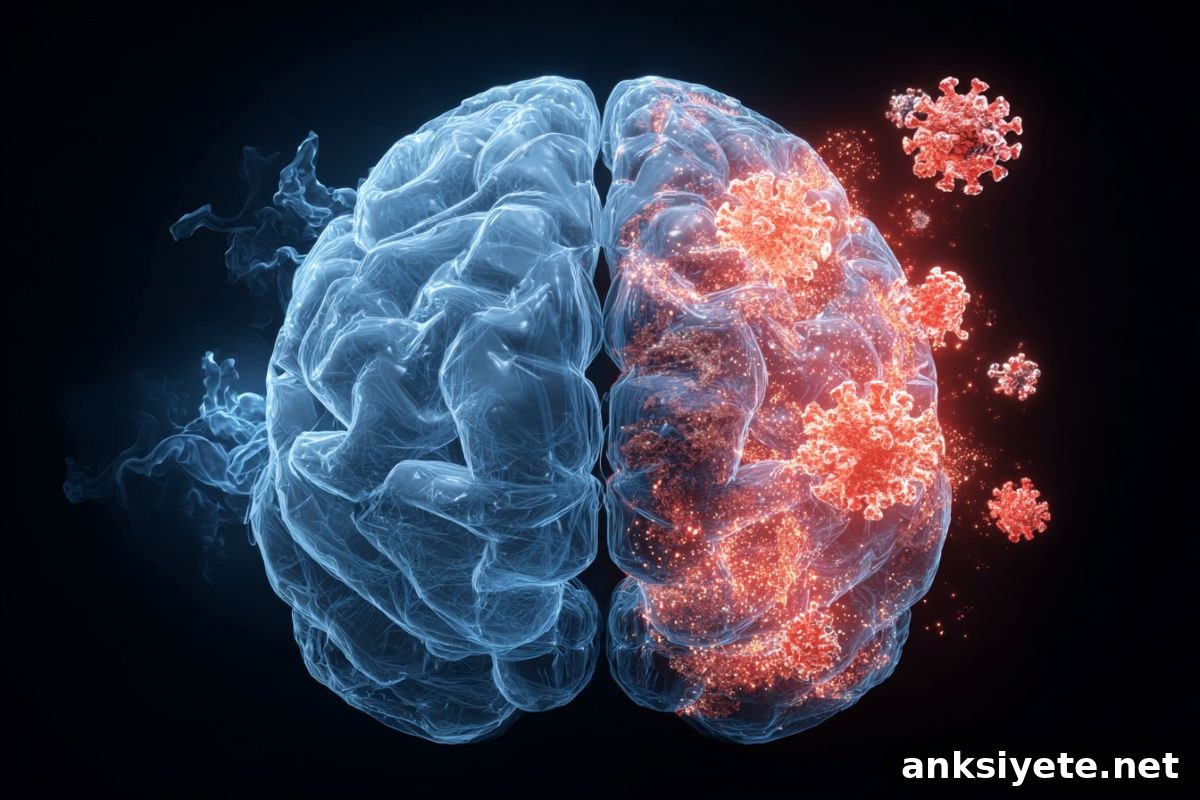
Summary: New research from Tulane University shows that while both influenza and COVID-19 can cause lasting lung damage, only SARS-CoV-2 produces a persistent inflammatory signature in the brain. The study finds small blood‑vessel injury and sustained neuroinflammation weeks after infection has cleared, along with disruptions to serotonin and dopamine pathways that help explain common Long COVID symptoms such as brain fog, fatigue, and mood changes.
Key Facts
- Vascular injury: SARS‑CoV‑2—but not seasonal influenza—was linked to tiny brain microbleeds and ongoing inflammation of small blood vessels, even after the virus was undetectable.
- Neurotransmitter disruption: COVID‑related gene expression changes affect serotonin and dopamine signaling, providing a plausible biological mechanism for persistent cognitive and mood symptoms seen in Long COVID.
- Lung repair differences: Both infections caused lung scarring and chronic inflammation, but influenza triggered an epithelial repair program that was largely absent after SARS‑CoV‑2 infection.
- Immune-driven effects: Brain changes occurred without detectable virus in brain tissue, suggesting an immune‑mediated process rather than direct viral invasion.
- Subchronic focus: The study examined the subchronic phase—weeks after infection—to map how acute illness transitions into longer‑term tissue changes.
Source: Tulane University
Even mild cases of COVID-19 or influenza can leave biological footprints that outlast the acute illness, but those footprints differ in important ways.
Researchers at Tulane compared lung and brain tissue from mice infected with mouse‑adapted SARS‑CoV‑2 and with influenza A to identify which changes are common to severe respiratory infections and which are unique to COVID‑19. Both infections produced long‑lasting lung inflammation and extracellular matrix remodeling, including increased collagen that can stiffen the lungs and impair breathing. That shared lung damage may underlie lingering shortness of breath reported by many patients after respiratory infections.
Despite similar lung outcomes, the two viruses diverged sharply in how the lungs attempted to heal. Influenza‑infected lungs showed activation of regenerative basal epithelial markers and migration of KRT5+ progenitor cells into damaged regions—a clear sign of a repair program. Those repair signals were largely missing in SARS‑CoV‑2–infected lungs, indicating that COVID‑19 may blunt normal healing and leave tissue in a prolonged dysfunctional state.
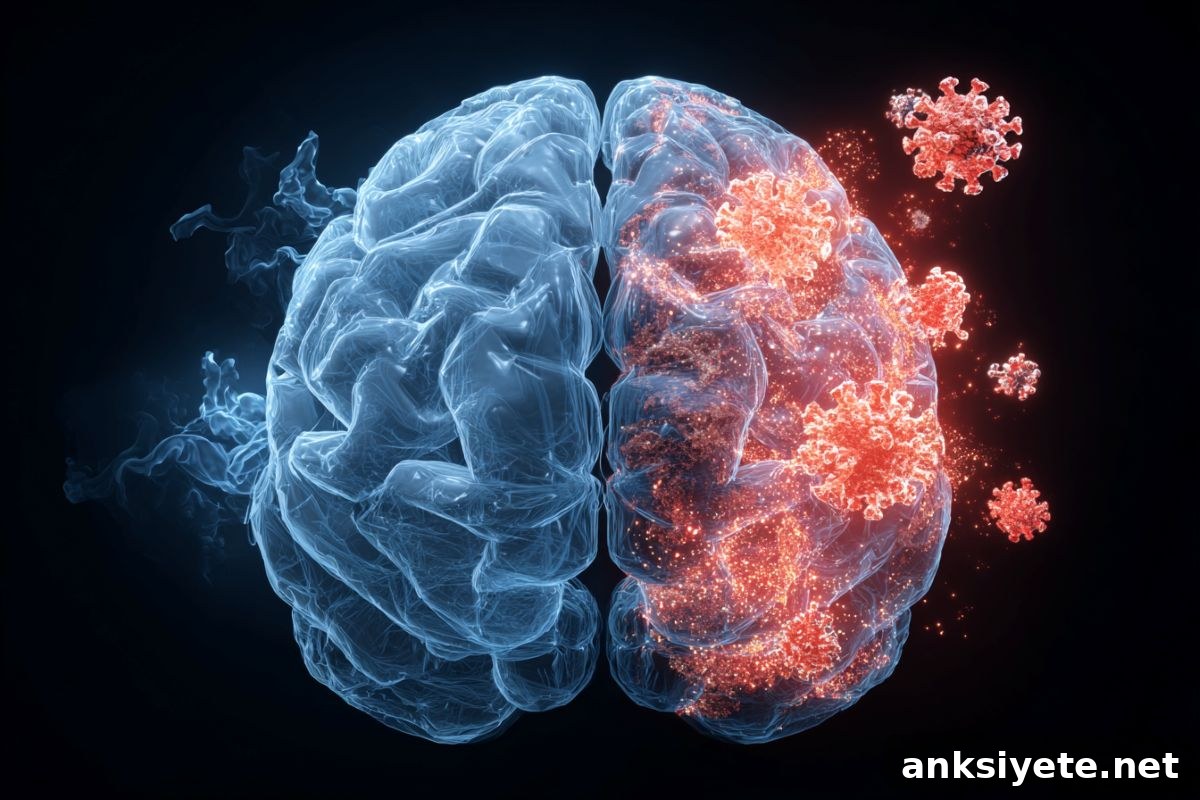
The most notable differences occurred in the brain. Neither virus was detected in brain tissue, but only mice that had been infected with SARS‑CoV‑2 displayed persistent neuroinflammation and a higher frequency of microhemorrhages. Transcriptomic profiling of these brains revealed upregulation of inflammatory, extracellular matrix, coagulation and IL‑6 signaling pathways, along with changes that disrupt hypothalamic‑pituitary axis function. Crucially, genes tied to serotonin and dopamine regulation were dysregulated after SARS‑CoV‑2 infection—molecular changes consistent with the cognitive slowing, fatigue and mood disturbances often described in Long COVID patients.
“Influenza and COVID‑19 both affect large populations worldwide, but their long‑term effects follow distinct tissue trajectories,” said Dr. Xuebin Qin, lead author and professor of microbiology and immunology at the Tulane National Primate Research Center. “Our data show that long‑term brain inflammation and small‑vessel injury are unique features of SARS‑CoV‑2 in this model, which helps explain why neurological symptoms are prominent in Long COVID.”
The study focused on 14, 21 and 28 days post‑infection to capture subchronic changes. Researchers combined histology with bulk RNA sequencing to identify cellular and molecular pathways that remain active well after the acute phase. The findings highlight vascular and immune mechanisms that may be responsible for persistent neurological complaints and suggest targets for monitoring and therapeutic intervention.
Funding: This work was funded by the American Heart Association Long COVID Impact Project (AHA962950), the National Institutes of Health (including P51OD011104‑62 and R01HL165265), and institutional support.
Key Questions Answered
A: While both viruses can produce persistent lung injury, SARS‑CoV‑2 uniquely damages brain microvasculature and disrupts neurotransmitter systems (serotonin and dopamine). Those changes create a biological basis for depression, fatigue and cognitive impairment that are less common after influenza.
A: The study points to an immune‑mediated process. Even after viral clearance, inflammatory signaling persists in the brain, causing microvascular leaks and altering the chemical signaling that supports cognition and mood.
A: Influenza appears to trigger a natural epithelial repair response, but SARS‑CoV‑2 does not reliably do so in this model. This suggests that targeted therapies may be needed to promote lung repair in some COVID‑19 survivors.
Editorial Notes
- This article was edited by a Neuroscience News editor.
- The journal paper was reviewed in full.
- Additional context was provided by staff to clarify implications for long‑term health.
About this research on COVID‑19 and the brain
Author: Andrew Yawn
Source: Tulane University
Contact: Andrew Yawn, Tulane University
Image: Image credit: Neuroscience News
Original research (open access): Characterization of Subchronic Lung and Brain Consequences Caused by Mouse‑Adapted SARS‑CoV‑2 and Influenza A Infection of C57BL/6 mice. Frontiers in Immunology. DOI: 10.3389/fimmu.2026.1755141
Abstract
Title: Characterization of Subchronic Lung and Brain Consequences Caused by Mouse‑Adapted SARS‑CoV‑2 and Influenza A Infection of C57BL/6 mice
Introduction: SARS‑CoV‑2 and, to a lesser extent, influenza A can cause long‑term respiratory and neurological complications. The cellular and molecular mechanisms that produce post‑viral sequelae are not fully understood.
Methods: C57BL/6 mice were infected with sublethal doses of mouse‑adapted SARS‑CoV‑2 (MA30) or influenza A (PR8). Lungs and brains were collected at 14, 21 and 28 days post‑infection for histology and bulk RNA sequencing to identify persistent tissue changes.
Results: Both infections produced prolonged lung inflammation and fibrosis. MA30 lungs showed sustained activation of inflammatory, coagulation and extracellular matrix remodeling pathways and suppressed epithelial junction and metabolic programs. PR8 lungs exhibited a strong interferon response and chronic upregulation of basal epithelial markers consistent with epithelial regeneration; only PR8 lungs displayed KRT5+ progenitor cell migration into damaged regions. No virus was detected in brain tissue for either infection, but MA30 brains exhibited increased microhemorrhages and persistent neuroinflammation. Transcriptomic profiling of MA30 brains revealed upregulated ECM remodeling, vascular dysfunction and IL‑6 signaling, along with disruption of neuroendocrine pathways and genes linked to neurotransmitter regulation and sensory processing—changes that mirror clinical features reported in Long COVID.
Discussion: These results delineate distinct, tissue‑specific trajectories after SARS‑CoV‑2 versus influenza infection, highlighting immune and vascular mechanisms that may underlie persistent lung and brain dysfunction and offering a basis for future therapeutic strategies.