
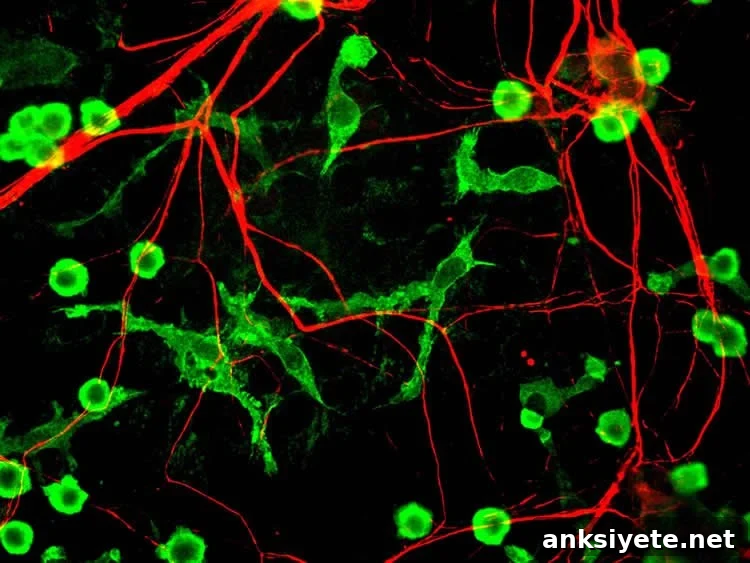
New research reveals that the brain’s immune cells, known as microglia, not only protect against infection and inflammation but also repair the barrier that isolates the brain from the rest of the body. These findings have important clinical implications because some cardiovascular drugs that target the same receptor may interfere with the brain’s ability to reseal that barrier after a stroke or other injury.
“This study shows that the resident immune cells of the central nervous system play a critical and previously underappreciated role in maintaining the integrity of the blood–brain barrier,” said Maiken Nedergaard, M.D., D.M.Sc., co-director of the Center for Translational Neuromedicine at the University of Rochester Medical Center and lead author of the study. “When this barrier is breached, it must be rapidly repaired to protect brain health and support recovery after injury — a process that could be compromised by drugs intended to reduce vascular damage.”
The brain functions as a largely isolated ecosystem with its own defense and waste-clearance systems. Entry and exit between the brain and the rest of the body are tightly regulated by the blood–brain barrier (BBB), a network of tightly controlled gateways that preserve the brain’s environment. If the BBB is disrupted, the brain becomes vulnerable to toxic substances, pathogens, and inflammatory damage. Because breakdown of the BBB commonly occurs during events such as stroke, timely resealing of openings in the barrier is critical for limiting injury and supporting recovery.
Published in the Proceedings of the National Academy of Sciences, the new study demonstrates that microglia — specialized immune cells resident in the brain and spinal cord — are essential actors in the rapid repair of the BBB. Microglia continuously survey the brain’s environment and can activate various responses: modulating inflammation, destroying invading pathogens, clearing debris from dying cells, and sealing off damaged tissue.
Using mouse models, Nedergaard and colleagues created small, localized openings in the BBB to observe how the system responds. They found that nearby microglia were quickly recruited to the injury site and initiated a closure response. In most cases, the barrier’s integrity was restored within 10 to 30 minutes, indicating a rapid, localized repair mechanism driven by microglial processes.
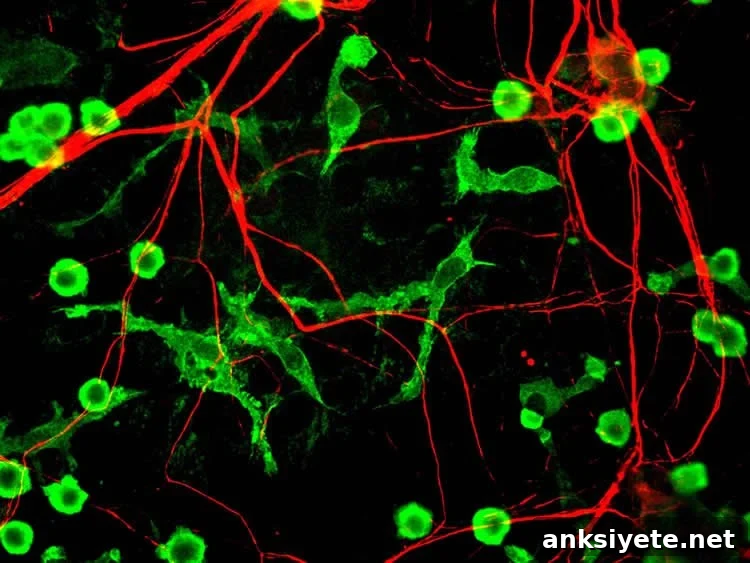
The researchers identified a purinergic receptor, P2RY12, as the molecular trigger that directs microglia to damaged areas of the vasculature. This receptor mediates chemotaxis of microglial processes toward the injury and is required for the rapid closure of the BBB after disruption. The discovery is particularly relevant because P2RY12 is not unique to microglia — it is also found on platelets and is the therapeutic target of several antiplatelet drugs, including clopidogrel (commonly prescribed to reduce the risk of heart attack and stroke).
Antiplatelet medications that block P2RY12 are effective at preventing platelets from aggregating and forming blood clots that can cause ischemic stroke. However, because these drugs can also inhibit P2RY12 signaling in microglia, they may inadvertently reduce the brain’s capacity to reseal the BBB after cerebrovascular injury. In experimental models, animals treated with a P2RY12 inhibitor or genetically lacking P2RY12 showed reduced movement of juxtavascular microglial processes and failed to effectively close laser-induced openings in the BBB.
Nedergaard and her team emphasize caution when considering the continued use of P2RY12-targeted platelet inhibitors immediately after a cerebrovascular event. While such medications are valuable for preventing recurrence, their potential to blunt microglial repair mechanisms could influence the extent of injury or the course of recovery.
Additional co-authors on the study include Nanhong Lou, Takahiro Takano, Yong Pei, Anna Xavier, and Steven Goldman of the University of Rochester Medical Center.
Funding: The research received support from the National Institute of Neurological Disorders and Stroke.
Source: Mark Michaud, University of Rochester Medical Center. Image credit: GerryShaw (CC BY SA 3.0).
Abstract
Purinergic receptor P2RY12-dependent microglial closure of the injured blood–brain barrier
This study shows that microglia are essential components of the central nervous system’s response to vascular injury and play a direct role in preserving the structural integrity of the neurovascular unit. Following BBB breakdown, P2RY12-mediated chemotaxis of microglial processes is required for rapid barrier closure. Mice treated with the P2RY12 inhibitor clopidogrel, and mice genetically deficient in P2RY12, exhibited markedly reduced movement of juxtavascular microglial processes and failed to close experimentally induced openings in the BBB. These results identify a previously unrecognized protective function of microglia in maintaining BBB integrity after cerebrovascular damage and underscore a need for thoughtful consideration of P2RY12-targeting antiplatelet therapy in the acute aftermath of vascular events.
Original study: “Purinergic receptor P2RY12-dependent microglial closure of the injured blood–brain barrier” by Nanhong Lou, Takahiro Takano, Yong Pei, Anna L. Xavier, Steven A. Goldman, and Maiken Nedergaard. Published online January 11, 2016 in PNAS. doi:10.1073/pnas.1520398113