New Study Reveals Multiple Biological Causes of Alzheimer’s
featured 115410

Summary: For decades, Alzheimer’s research has relied largely on study populations of European ancestry, leaving important questions about how the disease appears in other groups. A new, landmark USC study breaks from that one-size-fits-all model. By examining brain imaging markers in a racially and ethnically diverse cohort, researchers found notable differences in how early Alzheimer’s … Read more
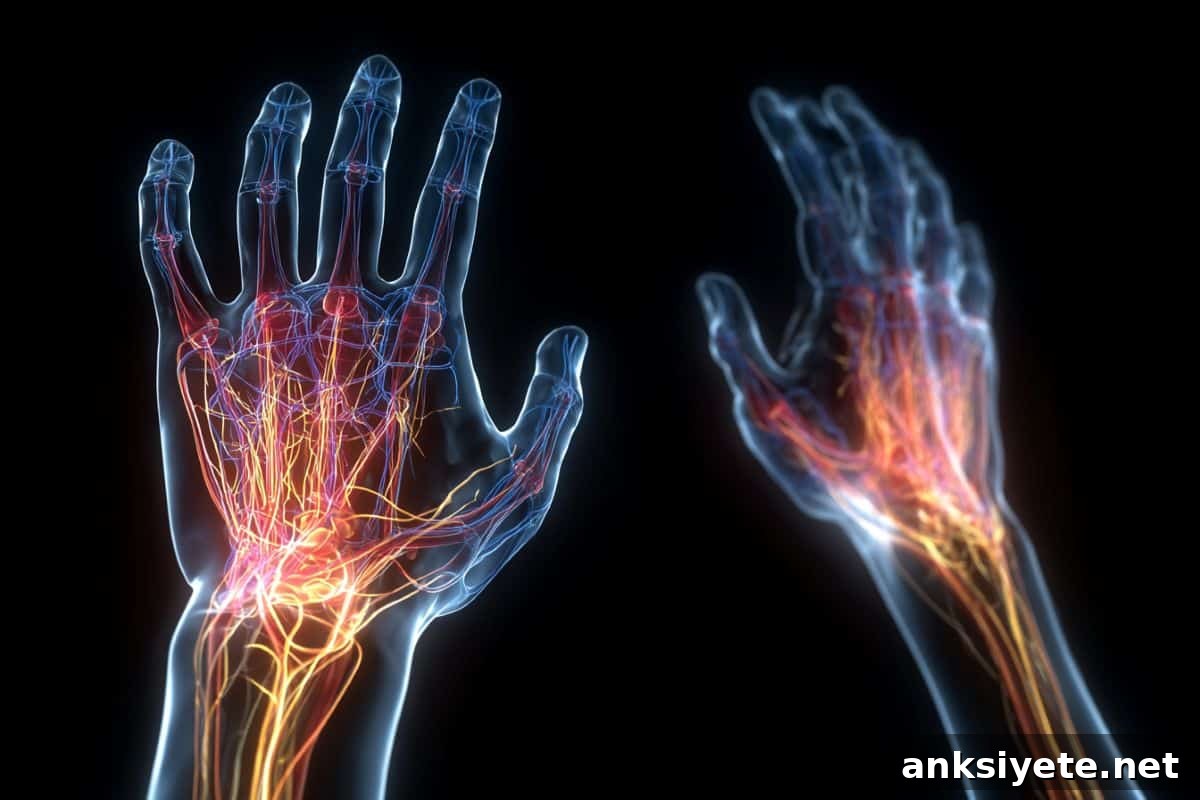
Hidden Brainstem Pathway Controls Human Hand Movement

featured 115406

Summary: For decades, neuroscientists assumed that precise, voluntary hand movements were governed almost entirely by the cerebral cortex. New research overturns that idea by identifying an evolutionarily older, conserved network in the brainstem and upper spinal cord that is essential for manual dexterity. Using comparative fMRI studies in mice and humans, researchers mapped a multi-stage … Read more

High-Fat Diets May Let Gut Bacteria Invade the Brain

featured 115398

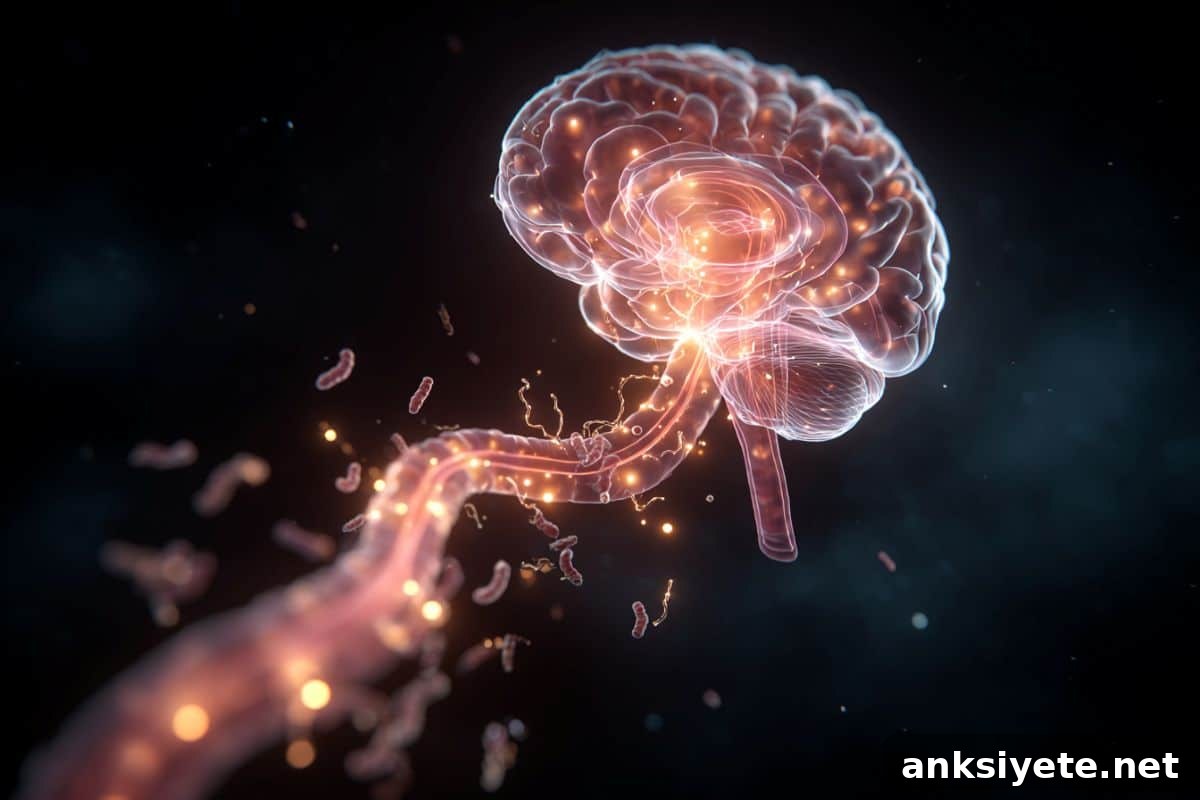
Summary: The gut–brain axis has long been recognized for indirect chemical and immune signaling between the gut and the brain. A new study in mice, however, reveals a more direct and surprising route: a high‑fat diet can cause gut dysbiosis and increased intestinal permeability that allows live bacteria to move from the gut into the … Read more

ADHD in Teens Raises Anxiety and Depression Risk

featured 115394

Summary: Adolescents with attention deficit hyperactivity disorder (ADHD) face a substantially higher risk of developing internalising problems such as anxiety and depression. A large longitudinal study of more than 5,000 UK teenagers has identified low self-esteem and parental mental health difficulties as two of the most important pathways that help explain this increased risk. The … Read more

Five Neuron Subtypes Linked to ALS and FTD Risk

featured 115386

Summary: Researchers have inched closer to explaining why some neurons die while others remain intact in neurodegenerative diseases. By profiling the molecular signatures of neurons from about 80 donors, they identified five distinct neuron subtypes in the motor cortex that are especially vulnerable to the protein TDP-43—implicating these excitatory cells as primary targets in ALS … Read more

High-Dose Vitamin D to Prevent Cognitive Decline From Long COVID

featured 115382

Summary: The role of Vitamin D in COVID-19 has been clarified by the VIVID Trial, one of the largest randomized studies to date. Investigators report that high‑dose vitamin D3 did not reduce the severity of acute COVID‑19 or the need for hospitalization, but the trial uncovered a promising signal that supplementation may lower the risk … Read more

How a Brain Circuit Triggers Addiction Relapse

featured 115378

Summary: Relapse is the most difficult obstacle in treating addiction, often triggered by small cues long after drug use has stopped. New research shows relapse arises not from a generalized weakness of will or a global loss of prefrontal cortex function, but from a specific imbalance in neural circuitry—an issue centered on a distinct set … Read more

How AI Autocomplete Quietly Shapes Public Opinion

featured 115374

Summary: AI-powered writing tools do more than speed up typing—they can subtly shift how people think. A large-scale study from Cornell University shows that biased autocomplete suggestions from AI writing assistants can nudge users’ opinions on major societal issues, including the death penalty and fracking. Researchers ran two preregistered experiments with more than 2,500 participants … Read more

Depression’s Energy Crisis: Cellular Causes of Chronic Fatigue

featured 115370

Summary: Fatigue is one of the most disabling and hardest-to-treat symptoms of major depressive disorder (MDD). New research points to a biological cause: a breakdown in ATP bioenergetics that leaves cells unable to meet increased energy demand. Researchers measured the brain and blood “energy currency” molecule adenosine triphosphate (ATP) in young adults with and without … Read more

Vagus Nerve Stimulation to Reverse Memory Loss

featured 115366

Summary: Memory loss is usually thought to begin and end in the brain, but new research points to a surprising origin: the gut. In mice, aging shifts the gut microbiome toward certain bacteria—most notably Parabacteroides goldsteinii—which provokes intestinal inflammation that silences the vagus nerve, the primary conduit of gut-to-brain signals. When vagal signaling is suppressed, … Read more