How Focused Ultrasound Rewires the Brain to Reduce Fear
featured 115829

Summary: Can sound be used to weaken fear? Neuroscientists have shown that targeted ultrasonic stimulation of the amygdala can reduce how strongly fearful memories form and can speed up the process of unlearning fear in humans. Using inaudible, high-frequency ultrasound focused on the amygdala—the brain’s emotion center—researchers slowed the initial acquisition of fear responses and, … Read more
Targeting Individual Neural Pathways in the Cortex

featured 115821

Summary: Understanding the brain requires more than examining isolated regions; it requires mapping and manipulating the long-distance “highways” that connect them. Researchers have developed a high-precision method to selectively switch specific long-range brain connections on and off, offering a clearer picture of the circuits that underlie complex cognition and social behavior. The study applies an … Read more

Blocking NOX1 Prolongs Ketamine’s Relief for Depression

featured 115817

Summary: Ketamine has transformed care for many people with treatment-resistant depression (TRD), often relieving suicidal thoughts and crushing low mood within hours instead of weeks. Its major limitation, however, is how quickly those benefits fade—typically within days. A new study now identifies why ketamine’s effects are so short-lived and points to ways to make them … Read more

Substance Use in Young Adulthood Linked to Memory Decline by Age 65

featured 115813

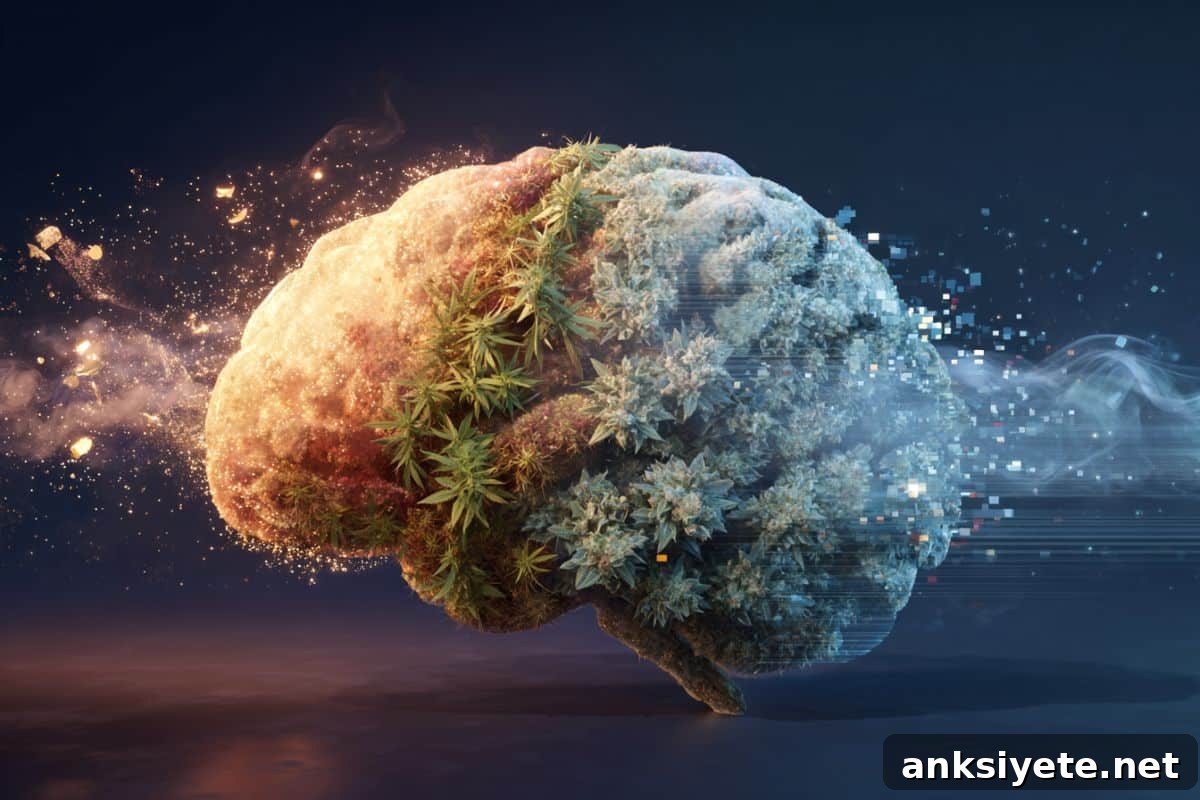
Summary: Choices made between ages 18 and 30 can influence brain health decades later. A long-term, longitudinal study followed participants from young adulthood into midlife (ages 50–65) to examine how heavy substance use in the 20s relates to self-reported memory in later life. Researchers found that heavy alcohol use, frequent cannabis consumption, and daily cigarette … Read more

Nicotine Vapes Outperform Patches and Gum for Quitting Smoking

featured 115809

Summary: For years the debate over e-cigarettes has been muddied by claims of “mixed evidence.” A new, comprehensive overview of systematic reviews aims to clarify the picture. By synthesizing findings from 14 systematic reviews published between 2014 and 2023, researchers conclude that nicotine-containing e-cigarettes consistently outperform traditional nicotine replacement therapy (NRT) — such as patches, … Read more

How Split Protein Creates the Framework for Weight Loss

featured 115805

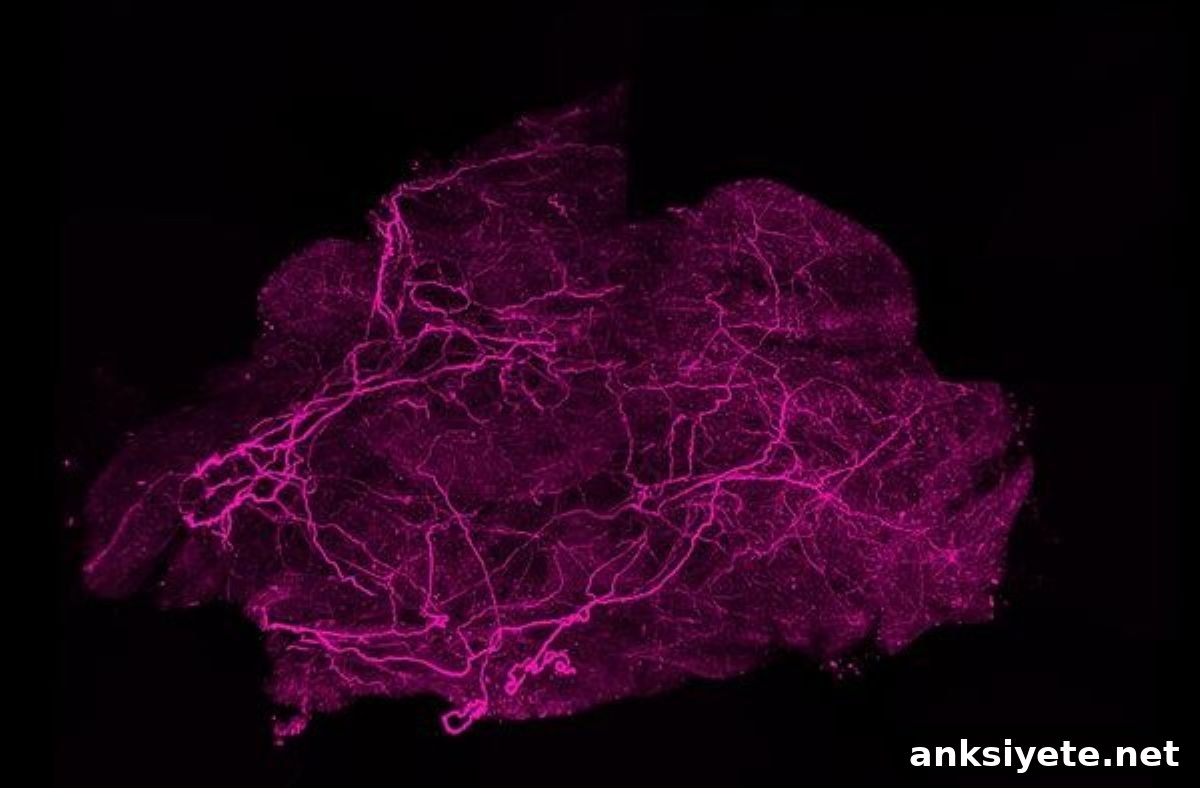
Summary: While many current weight-loss treatments such as GLP-1 medications reduce appetite, researchers have identified a different strategy: increasing energy expenditure by enhancing the body’s natural heat-producing tissue, brown adipose tissue (brown fat). New work explains how a protein called SLIT3 coordinates growth of the nerve and blood vessel networks that brown fat needs to … Read more

Ultrasound Wristband Maps Muscle Signals to Robotic Dexterity

featured 115797

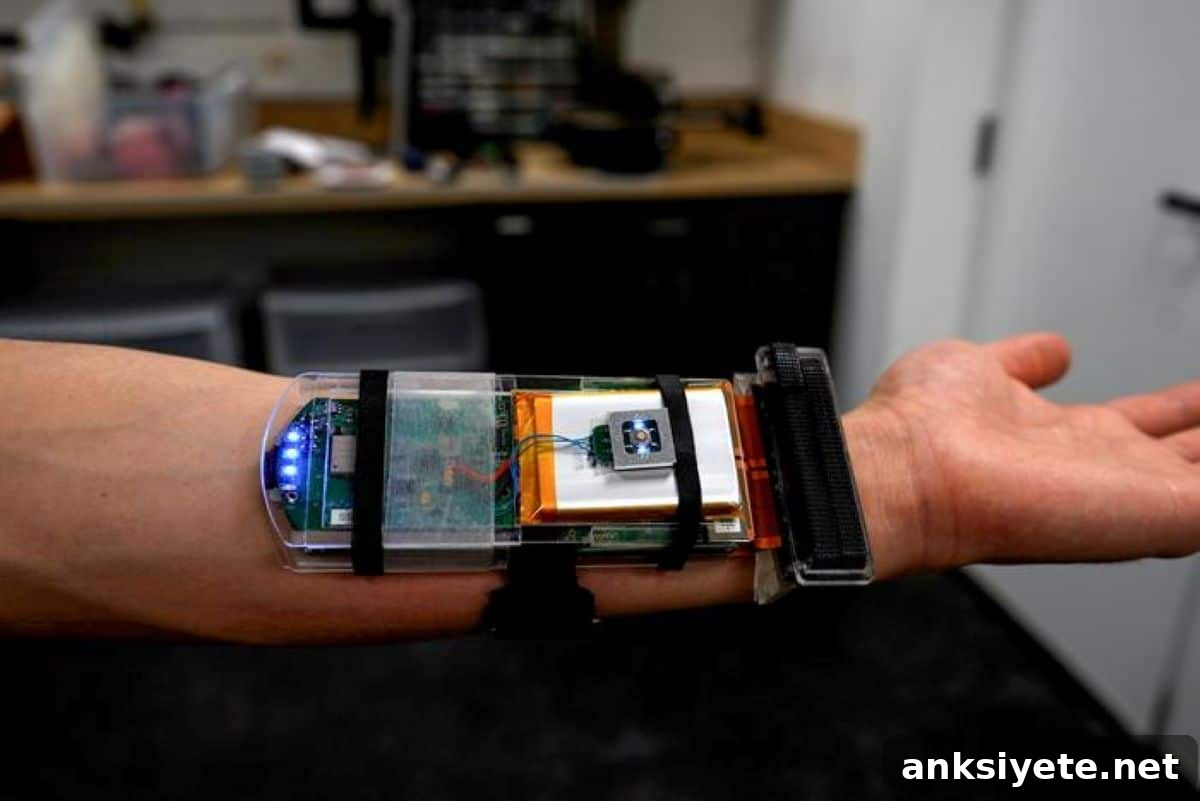
Summary: Capturing the full complexity of human hand movement — which depends on dozens of muscles, many joints, and numerous tendons — has long been a major challenge for robotics, prosthetics, and virtual reality. Engineers at MIT have developed a wearable ultrasound wristband that images the tendons and muscles inside the wrist and uses artificial … Read more

One-Hour Stress Reset: Shift from Fight-or-Flight to Reflection

featured 115785

Summary: Psychological resilience is less about immediate toughness and more about how the brain reorganizes after a stressful event. A new human study identifies a distinct “resilience window” that peaks roughly 60 minutes after acute stress, offering a precise timeframe when the brain shifts from alarm to reflection. Using simultaneous fMRI and EEG, researchers found … Read more

AI Shows Brain Rhythms Mirror Physical Wiring Throughout Life

featured 115781

Summary: A multinational team has, for the first time, mapped how the brain’s electrical activity changes from age 5 to 100 by linking EEG signals directly to the brain’s physical wiring. The study introduces Xi–αNET, a generative model showing how nerve‑signal speed and anatomical connections produce the patterns seen on an EEG. Using the HarMNqEEG … Read more

Machine Learning Cuts Personality Test Time by 4x

featured 115777

Summary: The traditional DISC assessment—a common tool in recruitment and team development—has been updated using machine learning. New research from the University of East London shows that AI models can reproduce DISC results with high accuracy while reducing the number of questions and the time needed to complete the test. The study demonstrates that a … Read more