
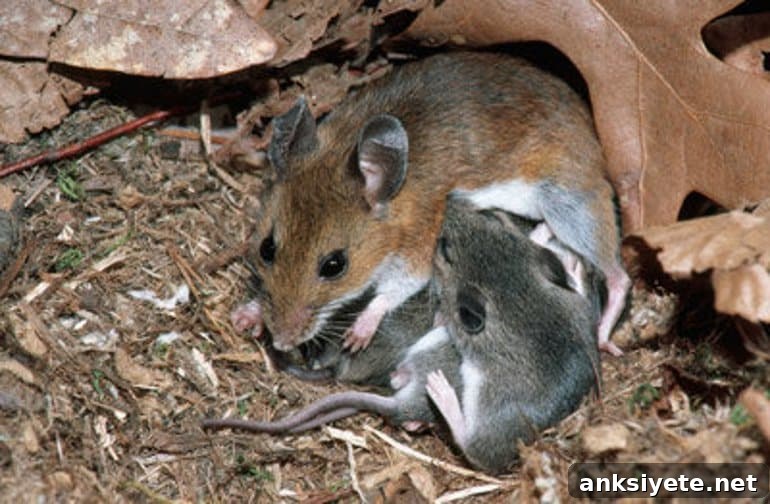
Summary: Neurons that release oxytocin in the paraventricular nucleus of the hypothalamus trigger paternal caregiving in new fathers, according to a mouse-model study.
Source: RIKEN
RIKEN neuroscientists have identified oxytocin-producing neurons in the paraventricular nucleus of the hypothalamus as a key switch that converts male mice from pup-directed aggression to nurturing parental behavior—a discovery that may shed light on paternal changes in other mammals, including humans.
Adult male mice that have not mated often behave aggressively toward pups, sometimes killing them, yet the same males typically become attentive and caring once they become fathers. The neural mechanisms behind this dramatic behavioral shift have been unclear until now.
Kazunari Miyamichi at the RIKEN Center for Biosystems Dynamics Research studies how the adult brain reconfigures itself for different life stages. “One of the most fascinating features of the brain is its capacity to change in response to experience and the requirements of a particular life stage,” he says. “This plasticity comes from changes in synaptic strength, but identifying which specific neurons and circuits change during a biological transition is difficult.”
In a study published in Neuron, Miyamichi and colleagues used viral-genetic methods and functional tracing to show that oxytocin-producing neurons located in the paraventricular nucleus (PVN) of the hypothalamus are necessary and sufficient to trigger parental caregiving behaviors in male mice. Activating these neurons can suppress pup-directed aggression and promote caregiving even in sexually naive males.
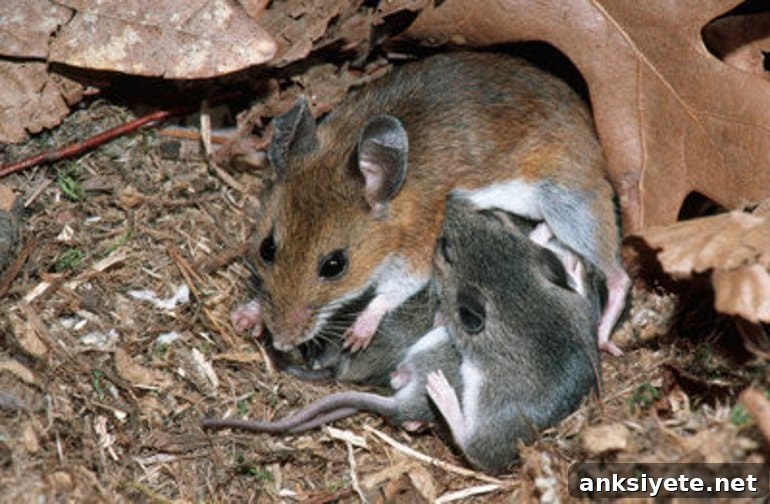
The team found that oxytocin—a hormone well known for its role in childbirth and lactation—has a surprisingly strong influence on male behavior. “Historically, researchers have assumed that males undergo subtle or no neuroendocrine changes when becoming parents,” Miyamichi explains. “Our results show that oxytocin exerts a robust effect on paternal behavior in male mice.”
A second major finding concerns structural and functional plasticity within the hypothalamus. The hypothalamus has long been viewed as a region dominated by fixed, hard-wired circuits, yet this work reveals life-stage dependent remodeling. Using rabies-virus-mediated trans-synaptic tracing, the researchers detected a strengthened excitatory connection from neurons in the lateral hypothalamic area (LHA) onto oxytocin neurons in fathers compared with virgin males. Activating these LHA→oxytocin connections reduces aggression toward pups in virgin males, demonstrating functional relevance.
These observations establish a model in which oxytocin neurons in the PVN act as central regulators of paternal caregiving, and where long-distance, cell-type–specific synaptic changes within the hypothalamus support the behavioral transition associated with fatherhood. The findings highlight how life-stage demands can drive targeted rewiring of neural circuits to produce adaptive social behaviors.
There may be implications beyond mice. “One human study reports that fathers who have more skin-to-skin contact with their infants show elevated blood oxytocin levels,” Miyamichi notes. “This suggests oxytocin-related mechanisms could contribute to paternal behaviors in humans as well.” The team plans to investigate the cellular and molecular mechanisms that produce hypothalamic plasticity in fathers and to clarify how oxytocin signaling promotes caregiving behavior.
About this neuroscience research news
Author: Press Office
Source: RIKEN
Contact: Press Office, RIKEN
Image: The image is credited to Nick Bergkessel/Science Photo Library
Original Research: Closed access.
“Plasticity of neural connections underlying oxytocin-mediated parental behaviors of male mice” by Kengo Inada et al., Neuron.
Abstract
Plasticity of neural connections underlying oxytocin-mediated parental behaviors of male mice
Highlights
- Oxytocin (OT) is essential for paternal caregiving behaviors in male mice.
- Activation of OT neurons induces caregiving in virgin males, partially via oxytocin release.
- Trans-synaptic tracing reveals strengthened connectivity from the lateral hypothalamic area (LHA) to OT neurons in fathers.
- Structural plasticity of these hypothalamic connections supports the observed behavioral shift.
Summary
The adult brain adapts behavior to meet changing life-stage demands. Sexually naive male mice typically show aggression toward young conspecifics, but males approaching fatherhood develop caregiving behaviors. How this behavioral flexibility is implemented at the circuit level has been unclear.
Using viral-genetic tools and unbiased rabies-based input mapping, the study identifies oxytocin-producing neurons in the hypothalamus as critical regulators of male parental caregiving. The researchers demonstrate that the strength of excitatory inputs from the lateral hypothalamus to oxytocin neurons increases when males become fathers, and that stimulating this pathway reduces pup-directed aggression in virgin males.
Together, these results reveal life-stage–dependent, long-range, and cell-type–specific synaptic plasticity in the hypothalamus, challenging the notion that hypothalamic circuits are entirely hard-wired and providing a neural mechanism for the emergence of paternal behavior.