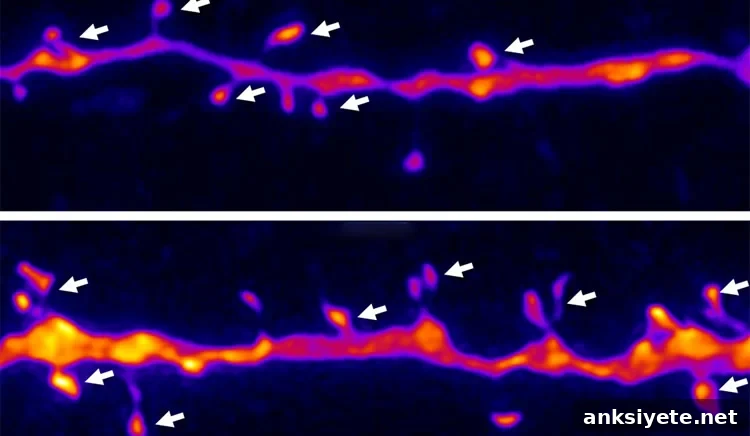
Summary: NV-5138, a small-molecule compound that mimics key antidepressant actions of ketamine, produced rapid antidepressant-like effects in rodent models. The drug is currently in Phase I testing in humans.
Source: Yale
A novel small-molecule drug produced a rapid antidepressant response in mice that resembles the fast action of ketamine, according to a Yale-led study published April 16 in The Journal of Clinical Investigation.
NV-5138, the experimental compound studied, elicited rapid behavioral and synaptic changes in rodent models of depression similar to those seen after administration of ketamine. While a ketamine derivative (esketamine) has been approved for treatment-resistant depression, ketamine and related formulations continue to raise safety concerns because of their potential to induce psychosis-like effects and their abuse potential. These safety issues have driven the search for therapies that match ketamine’s rapid effectiveness but with improved safety and tolerability.
“Recent research has raised the possibility that a new drug, such as NV-5138, could be developed that is rapid-acting but also more efficacious and safer than current formulations of ketamine,” said senior author Ron Duman, the Elizabeth Mears and House Jameson Professor of Psychiatry and professor of neuroscience.
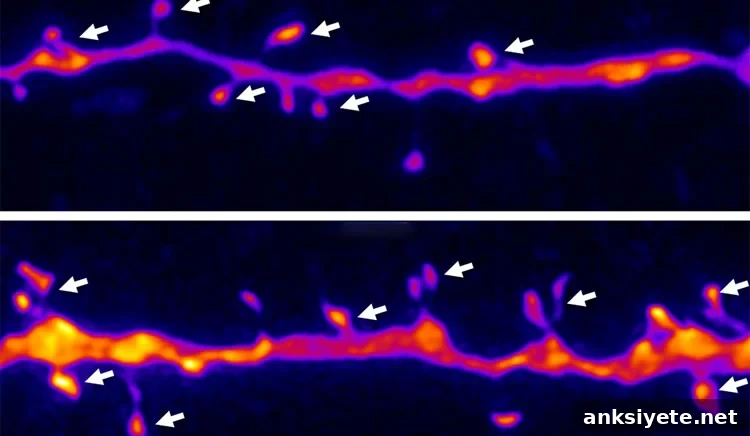
Unlike ketamine, which influences neuronal activity directly, NV-5138 acts through a different mechanism that stimulates synapse formation and connectivity. Loss of synapses and weakened neuronal connections are linked to chronic stress and depressive disorders. In the study, a single dose of NV-5138 rapidly restored markers of synaptic connectivity in mice exhibiting anhedonia—a central symptom of depression characterized by reduced ability to experience pleasure—and produced measurable improvements across several depression-related behaviors.
The compound was developed by Navitor Pharmaceuticals Inc., which provided funding for the study. NV-5138 is currently in Phase I clinical trials in humans to evaluate safety, tolerability, and early pharmacodynamic signals.
Taro Kato, formerly of Yale and now at Sumitomo Dainippon in Japan, is the study’s lead author. Yale investigators report no financial interests in Navitor.
Source:
Yale
Media Contacts:
Bill Hathaway – Yale
Image Source:
Image credit: Ron Duman et al.
Original Research: Open access.
“Sestrin modulator NV-5138 produces rapid antidepressant effects via direct mTORC1 activation” — Taro Kato, Santosh Pothula, Rong-Jian Liu, Catharine H. Duman, Rosemarie Terwilliger, George P. Vlasuk, Eddine Saiah, Seung Hahm, and Ronald S. Duman. Journal of Clinical Investigation. DOI: 10.1172/JCI126859
Abstract
Sestrin modulator NV-5138 produces rapid antidepressant effects via direct mTORC1 activation
Preclinical data indicate that rapid-acting antidepressants, including ketamine, depend on activation of the mTORC1 signaling pathway. mTORC1 is regulated by neuronal activity and by metabolic signals such as the amino acid leucine, which activates mTORC1 through binding to the upstream regulator sestrin. This study examined NV-5138, a selective small-molecule modulator of sestrin that penetrates the blood–brain barrier, to evaluate its antidepressant properties and underlying mechanisms.
Key findings show that a single dose of NV-5138 produced rapid and sustained antidepressant-like behavioral effects in rodent models and quickly reversed anhedonia caused by chronic stress exposure. The behavioral effects required brain-derived neurotrophic factor (BDNF) release: responses were blocked when a BDNF-neutralizing antibody was infused into the medial prefrontal cortex (mPFC), and responses were absent in mice carrying a BDNF polymorphism that prevents activity-dependent BDNF release. NV-5138 also rapidly increased synapse number and synaptic function in the mPFC and reversed synaptic deficits produced by chronic stress.
Together, the results indicate that NV-5138 induces rapid synaptic and behavioral antidepressant responses by activating the mTORC1 pathway and stimulating BDNF signaling. These findings suggest that pharmacological modulation of sestrin offers a novel strategy for developing fast-acting antidepressants with a distinct mechanism from drugs that directly alter neuronal excitability.
This summary is based on the Yale-led research published in The Journal of Clinical Investigation. Image and study attribution are credited to the original investigators.