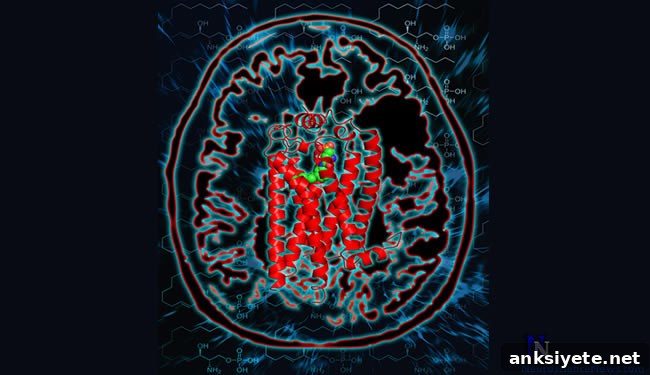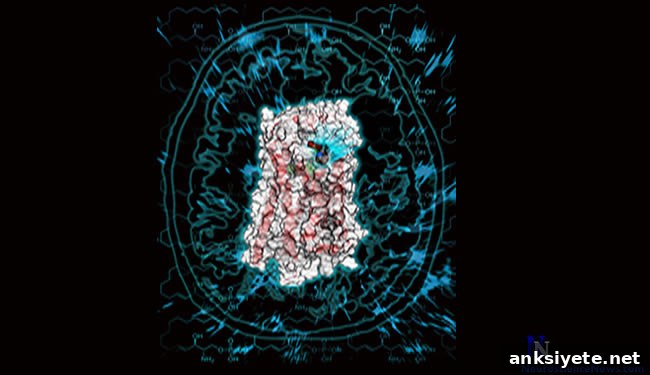
Scientists at The Scripps Research Institute, together with researchers from drug discovery company Receptos, have produced the first high-resolution molecular image of the S1P1 receptor, a critical membrane protein that regulates processes implicated in multiple sclerosis and other diseases. This detailed structural map is already guiding drug discovery efforts and clarifying how some existing therapies interact with the receptor.
The three-dimensional structure, published in the February 17, 2012 issue of Science, represents the first solved structure of a lipid G protein-coupled receptor (GPCR). Lipid GPCRs influence diverse biological systems, from cancer pathways to metabolic regulation, and resolving the S1P1 structure opens a path to determining structures of related receptors across this important protein family.
“There’s something special about the S1P1 receptor,” said Hugh Rosen, MD, PhD, a chemical biologist at Scripps Research who co-led the project with structural biologist Raymond Stevens, PhD. “The biological consequences of even small changes with this receptor are profound. Understanding its structure provides clues about fundamental processes important in both health and disease.”
Stevens added, “Being able to finally look at a lipid GPCR and the occluded cell surface binding pocket was a surprise but explains many of the issues we wondered about. It is likely that other members of this subfamily will have a similar protein architecture.”
The achievement is the result of decades of complementary work: the Stevens laboratory refined methods for solving GPCR structures, the Rosen laboratory developed biological and chemical tools to stabilize these receptors, and both groups collaborated closely to combine their strengths. The team credits support from the National Institutes of Health Common Fund for enabling this research.
James M. Anderson, MD, PhD, director of the NIH Common Fund division that supported the work, emphasized the value of collaboration: “This work promises to underscore the importance of research collaboration to accelerate scientific discovery and development of new drug therapies. Combining structure-based analysis with small molecule screening serves as a model for effective drug design.”
Controlling Multiple Sclerosis
The S1P1 receptor is a membrane-embedded protein found on multiple cell types. When its natural ligand—sphingosine 1-phosphate—or a drug binds deep within the receptor, portions of the protein alter their conformation and trigger intracellular signaling cascades that influence cell behavior and tissue function.
Researchers have long recognized that S1P1 receptors play essential roles in multiple sclerosis by regulating the egress of lymphocytes from lymph nodes. In multiple sclerosis, autoreactive lymphocytes enter the central nervous system and attack the protective myelin sheaths around nerve fibers, disrupting neural signaling. S1P1 signaling also contributes to inflammatory responses, including scarring and swelling, that follow immune-mediated damage in the brain.
Gilenya (fingolimod), the first oral therapy approved for multiple sclerosis, reduces lymphocyte exit from lymph nodes through mechanisms first identified by the Rosen laboratory about a decade ago. Using a screening lead from the NIH Molecular Libraries Small Molecule Repository, Rosen and Scripps chemistry professor Ed Roberts discovered and optimized additional modulators of S1P1, eventually leading to RPC-1063, a compound developed by Receptos that progressed to clinical trials for multiple sclerosis.
Work from Rosen’s lab also demonstrated that modulating S1P1 can protect mice from severe pandemic influenza, highlighting the receptor’s broader potential as a therapeutic target in diseases involving the immune response.
A Shifting Binding Pocket
The team used X-ray crystallography to determine the high-resolution configuration of the S1P1 receptor. The structural data reveal how the receptor’s ligand-binding pocket shifts during activation, a dynamic feature that underlies signal initiation inside the cell. Mapping these conformational changes provides a mechanistic framework for understanding how different molecules can activate or block the receptor.
Armed with this structural information, researchers can more precisely design and screen compounds that influence S1P1 activity. “Better understanding always allows you to think about applications in a variety of ways that you might not have thought about before,” Rosen said. “This is an area that will keep us busy for many years to come.”
Michael Hanson, a scientist at Receptos and lead author on the paper, noted immediate benefits: “The structure has helped us understand the details regarding receptor–ligand interactions for this receptor and structural data can be used more routinely for drug discovery projects of other GPCRs.”
Notes about this multiple sclerosis research
The paper, titled “Crystal Structure of a Lipid G protein-Coupled Receptor,” lists authors from Scripps Research including Hugh Rosen, Raymond C. Stevens, Michael A. Hanson, Euijung Jo, Stuart Cahalan, Stephan Schuerer, Germana Sanna, Gye Won Han, and Peter Kuhn, and contributors from Receptos including Christopher Roth, Mark Griffith, Fiona Scott, Greg Reinhart, Hans Desale, and Bryan Clemons. The Scripps portion of the work was supported by the National Institutes of Health, and work performed at Receptos was supported by Receptos, Inc.
Contact: Mike Ono – The Scripps Research Institute
Source: The Scripps Research Institute press release
Image credits: Neuroscience images adapted from Scripps Research press materials; images courtesy of the Rosen and Stevens laboratories. Original research published in Science, February 17, 2012, under the title “Crystal Structure of a Lipid G protein-Coupled Receptor.”