
Summary: A six-week course of midday bright light therapy that has been effective for seasonal depression also relieved symptoms and improved functioning in people with bipolar depression, according to a randomized, double-blind clinical trial.
Source: Northwestern University
Midday Bright Light Therapy Reduces Bipolar Depression and Restores Function
A controlled clinical trial from Northwestern Medicine found that daily exposure to bright white light at midday significantly reduced depressive symptoms and improved daily functioning in people with bipolar disorder. The six-week trial compared adjunctive bright light therapy to a dim red placebo treatment and demonstrated a large advantage for the midday bright light intervention.
Bright light therapy is well established for Seasonal Affective Disorder (SAD), typically administered in the morning to influence circadian rhythms. However, clinicians have been cautious about using morning light for bipolar depression because of the risk of triggering manic or mixed symptoms. To reduce that risk while preserving benefit, researchers tested a novel midday schedule that aimed to relieve depression without producing mood polarity switches.
Key Findings
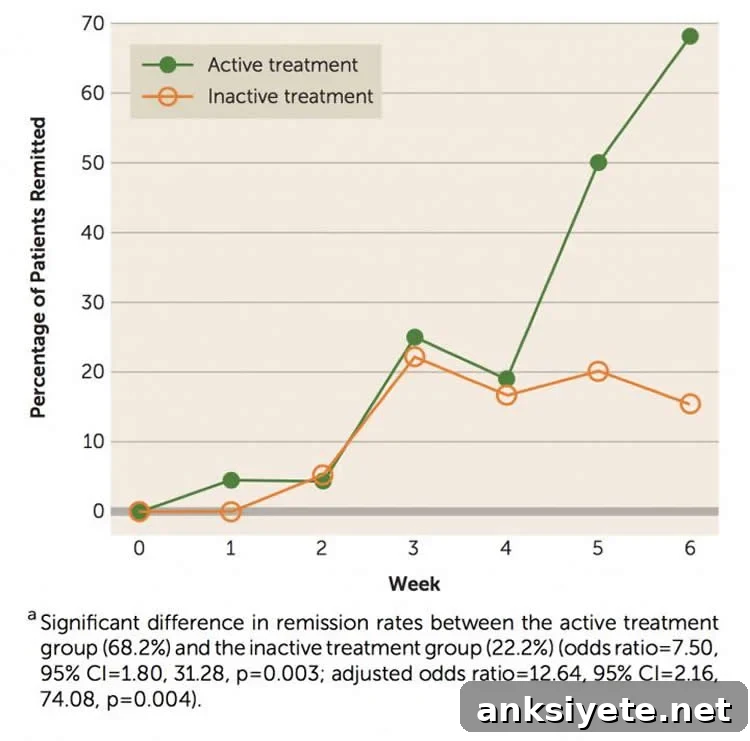
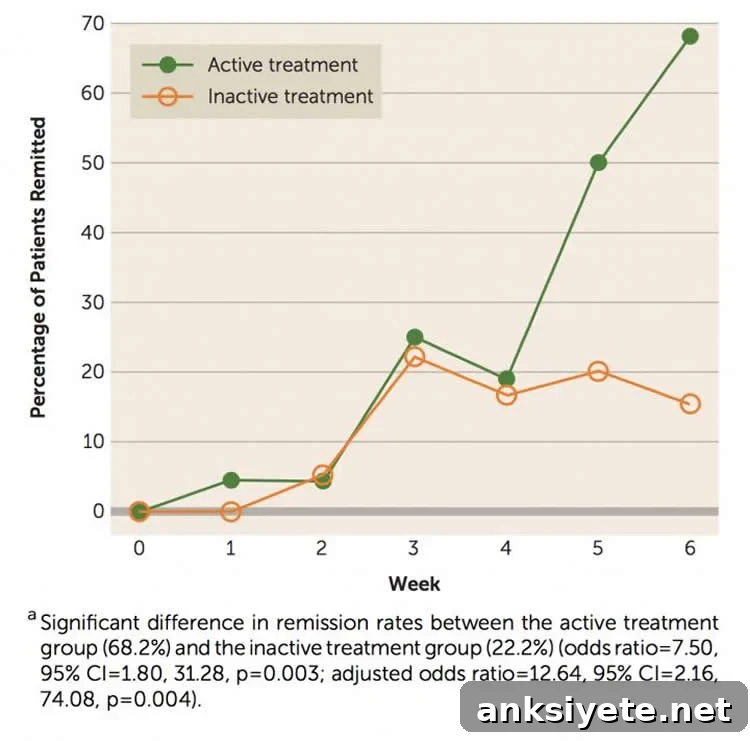
- Patients who received bright white light at midday for six weeks reached remission far more often than those who received placebo light: 68.2% versus 22.2% (remission defined as minimal depressive symptoms and return to normal functioning).
- At the end of treatment the bright light group had substantially lower average depression scores (mean 9.2) than the placebo group (mean 14.9), reflecting meaningful clinical improvement.
- Functioning improved in the bright light group: many patients were able to return to work or complete household tasks they had been unable to do before treatment.
- No participants experienced mania or hypomania during the trial, and side effects were minimal.
- Sleep quality improved in both groups and did not differ significantly between them.
Study Design and Treatment Protocol
The randomized, double-blind, placebo-controlled trial enrolled 46 adults with bipolar I or II disorder who were experiencing at least moderate depression while on stable doses of mood-stabilizing medication. Patients with active mania, hypomania, mixed symptoms, or rapid cycling were excluded. Participants were assigned to receive either a 7,000-lux bright white light or a dim red placebo light.
Treatment began with 15-minute sessions of light placed about one foot from the face between noon and 2:30 p.m. Each week the exposure was increased by 15-minute increments, up to a maximum of 60 minutes per day, or until patients experienced a significant mood improvement. Symptoms were monitored weekly using standardized rating scales for depression, mania, and sleep quality. Remission was defined as a score of 8 or less on the structured depression scale used in the trial.
Why Midday?
Morning bright light has been the standard in SAD because early light exposure can shift circadian timing and improve mood. In bipolar disorder the mechanism is less clear and treatment timing matters because of the risk of inducing manic symptoms. The midday schedule tested in this trial was designed to provide antidepressant benefit while minimizing the chance of mood switches. The protocol’s gradual dose escalation—starting at a low exposure and increasing weekly—helped patients tolerate the therapy and allowed clinicians to find an effective dose for most participants.
Investigators observed measurable benefit by four weeks in many patients, consistent with other studies of light therapy for non-seasonal depression and depression during pregnancy. Researchers plan further studies to investigate how midday bright light may affect circadian rhythms and other biological mechanisms in bipolar depression.
Safety and Tolerability
Treatment was well tolerated. Importantly, no mood polarity switches (mania or hypomania) were observed in the trial, addressing a primary safety concern for light therapy in bipolar patients. Reported side effects were minimal, and the stepped dosing schedule contributed to good tolerability.
Funding and Authorship
The study was funded by the National Institute of Mental Health (grant K23 MH082114) and was conducted at the University of Pittsburgh Medical Center. Co-authors included Amy Yang and Jody D. Ciolino in the Department of Preventive Medicine–Biostatistics division at Northwestern, with senior author Katherine L. Wisner, M.D., M.S., among the research team. The lead author was Dorothy K. Sit, M.D., associate professor of psychiatry and behavioral sciences at Northwestern University Feinberg School of Medicine.
Conclusion
This randomized trial provides robust evidence that adjunctive midday bright light therapy is an effective, well-tolerated option for treating bipolar depression when added to mood-stabilizing medication. The intervention led to higher remission rates, lower depression scores, and improved daily functioning without inducing mania or hypomania. These results offer clinicians an additional non-pharmacological strategy to help patients with bipolar depression recover more quickly and return to regular activities.
Published: American Journal of Psychiatry (online October 2017). Source reporting: Kristin Samuelson, Northwestern University.