
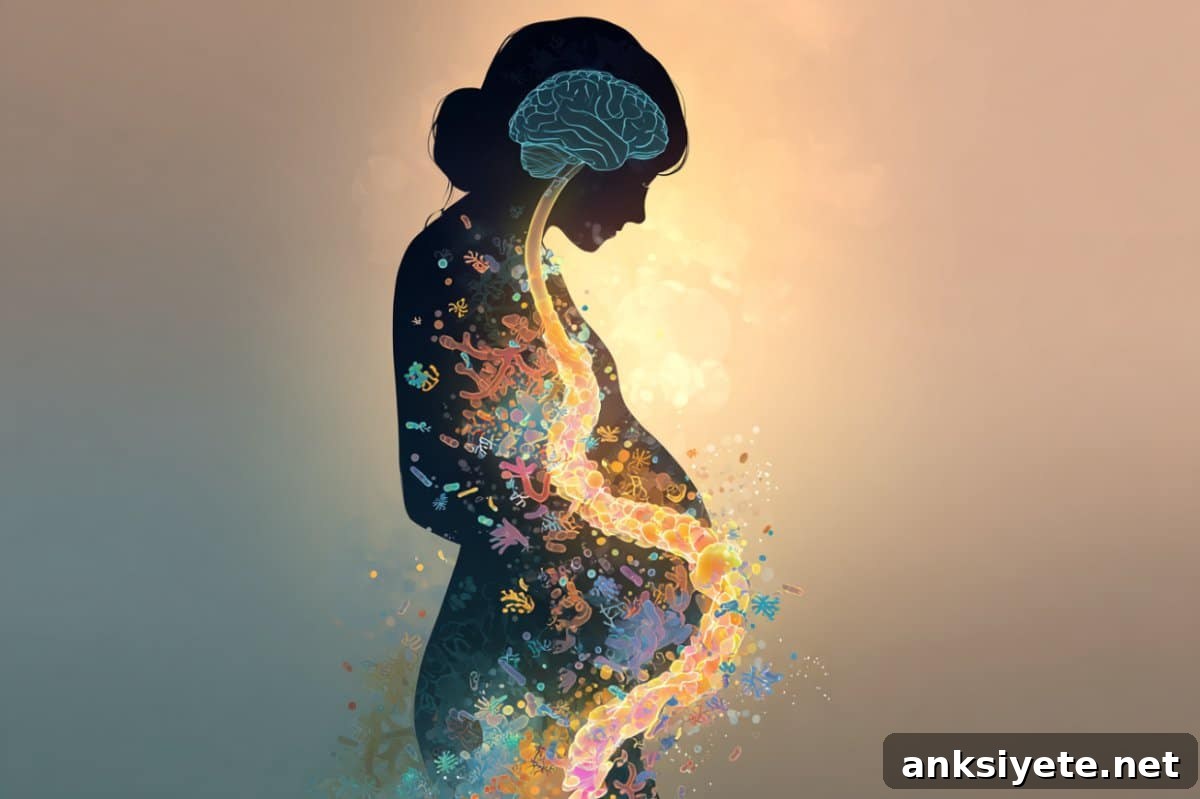
Summary: Prenatal stress in mothers can leave a lasting imprint on their offspring, increasing their vulnerability to depression-like behaviors. New research shows maternal stress disrupts the gut microbiome and alters metabolite production, and these microbial changes are transmitted to the next generation.
This inherited microbial imbalance was linked to neurotransmitter disturbances and low-grade inflammation in the offspring’s prefrontal cortex, a brain region central to mood regulation. The study highlights the gut-brain axis as a likely mediator of cross-generational mental health effects.
Key Facts
- Gut-brain axis: Maternal psychological stress reshaped the mother’s gut microbiome and these changes were passed to offspring, influencing brain chemistry.
- Neuroinflammation: Offspring of stressed mothers showed increased neuroinflammatory markers alongside altered neurotransmitter profiles associated with depressive behaviors.
- Vertical transmission: Several specific bacterial species and metabolic pathways were inherited and correlated with mood-related and immune changes in offspring.
Source: Neuroscience News
The relationship between the gut and the brain is an expanding focus in neuroscience. New evidence suggests that maternal stress during pregnancy can program depression-like outcomes in offspring through changes in the maternal microbiome that are transmitted to the young.
In a controlled rat model, researchers exposed pregnant females to unpredictable fear-inducing stimuli to simulate prenatal psychological stress (PPS). Following birth, pups raised under normal conditions nevertheless developed clear depression-like behaviors in adolescence, including reduced pleasure-seeking, increased behavioral despair, and heightened stress hormone responses—mirroring features observed in their stressed mothers.
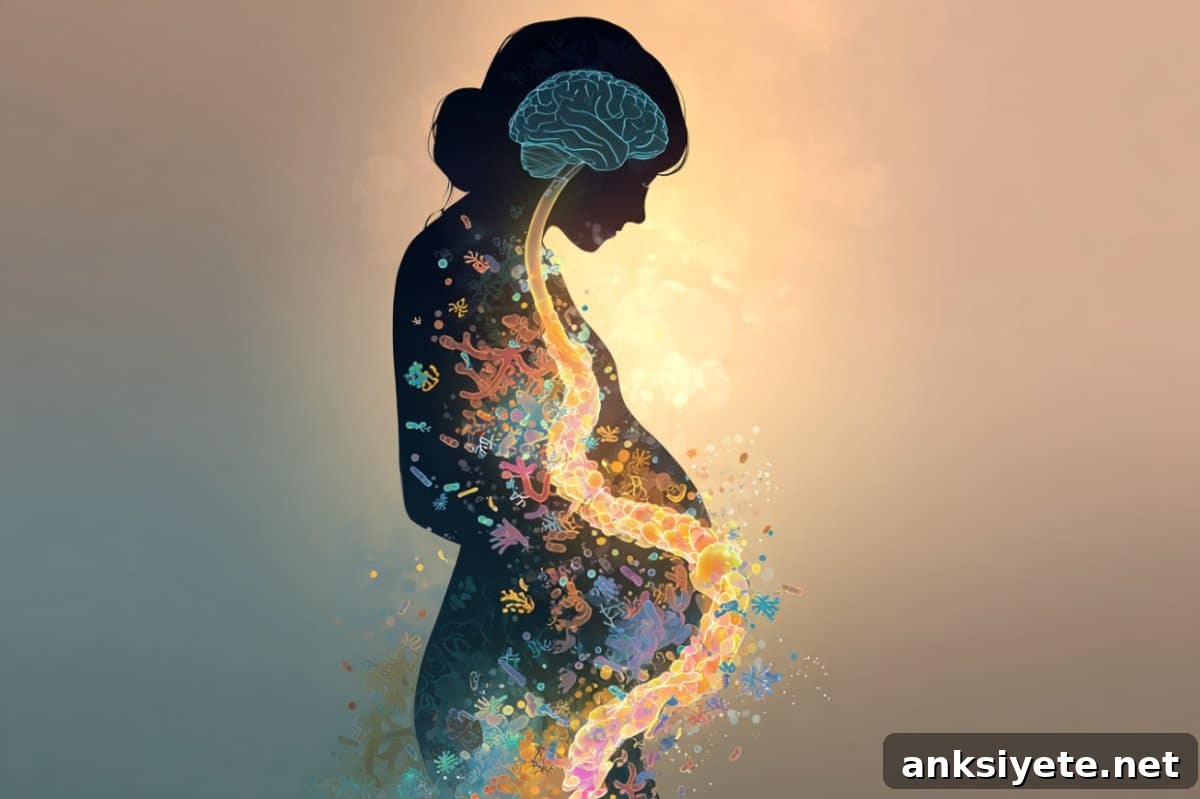
To examine the microbiome’s role, the team analyzed fecal samples from both PPS mothers and their offspring, using metagenomic and metabolomic approaches. They found that stressed mothers developed gut dysbiosis—an imbalance in microbial communities—with increases in groups such as Bacteroidaceae and Myoviridae and decreases in beneficial Lactobacillaceae. Crucially, offspring inherited many of these changes even without direct exposure to stress.
Stress Before Birth Leaves a Mark
Epidemiological and experimental studies have long linked prenatal stress to altered temperament, anxiety, and greater risk of depression in children. The present work points to the maternal gut microbiome as a tangible biological conduit for these intergenerational effects: a newborn’s microbiome is largely seeded by the mother, so disturbances during pregnancy can ripple into the child’s neurodevelopment.
The Gut-Brain Connection
Analysis identified seven bacterial species that were consistently altered in both mothers and their pups, including Prevotella, Bacteroides zhangwenhongi, and Ruminococcus bovis. These vertically transmitted microbes correlated with depressive-like behaviors and changes in brain chemistry. Metabolomic data indicated upregulation of pathways metabolizing glycine, serine, and threonine—amino acids intimately involved in neurotransmission and brain development—suggesting that altered microbial metabolism may shift the biochemical environment of the developing brain.
Neurotransmitter Imbalance and Inflammation
Targeted analysis of the offspring’s prefrontal cortex revealed increased levels of serine and glycine along with imbalances in key neurotransmitters: reductions in dopamine and serotonin, elevations in norepinephrine, and disruption of the glutamate–GABA excitatory/inhibitory balance. The pups’ brains also showed elevated pro-inflammatory cytokines, including TNF-α and IL-1β, indicating a state of chronic, low-grade neuroinflammation. Together, these findings link vertically transmitted microbiome changes to both neurochemical and immune alterations associated with depressive-like phenotypes.
Implications and Future Directions
These results emphasize the importance of maternal mental health during pregnancy for the child’s long-term emotional well-being. They also position the gut microbiome as a potential target for interventions aimed at preventing or mitigating intergenerational transmission of stress-related disorders. Microbiota-directed strategies—such as tailored probiotics, prebiotics, or dietary modification—could, in principle, interrupt pathogenic microbial-metabolic signaling that predisposes offspring to mood disturbances.
The authors note that further mechanistic work is needed to establish causality. Future experiments using germ-free animals, fecal microbiota transplantation, and larger cohorts will be important to determine whether modifying the maternal or neonatal microbiome can prevent or reverse the observed neurobehavioral outcomes. Additional research should also assess the durability of these effects into adulthood and explore potential sex-specific vulnerabilities.
The Bigger Picture
This study contributes to a growing literature that places the gut-brain axis at the center of emotional health. Gut microbes influence the brain via metabolites, immune signaling, and neural pathways such as the vagus nerve, shaping mood, cognition, and stress resilience. When the maternal microbiome is altered by psychological stress, it appears to initiate a cascade of microbial and metabolic changes that can shape offspring neurodevelopment and behavior.
By identifying specific bacteria and metabolic pathways involved in this process, the research provides a roadmap for targeted follow-up studies and potential therapeutic approaches. While clinical translation will require careful validation, these findings offer a promising avenue for mitigating the impacts of prenatal stress on future generations.
About this pregnancy, mental health, and microbiome research news
Author: Neuroscience News Communications
Source: Neuroscience News
Contact: Neuroscience News Communications
Image: The image is credited to Neuroscience News
Original Research: Open access. “Prenatal psychological stress mediates vertical transmission of gut microbiome to the next generation affecting offspring depressive-like behaviors and neurotransmitter” by Yuexuan Liu et al. BMC Psychology
Abstract
Prenatal psychological stress mediates vertical transmission of gut microbiome to the next generation affecting offspring depressive-like behaviors and neurotransmitter
Objective
Prenatal stress is associated with gut microbiota dysbiosis. Although maternal psychological stress and the maternal-to-offspring transmission of microbiota are documented, the specific relationships linking cross-generational depression to the microbiome remain incompletely understood.
Methods
The authors used a combined fear-stimulus protocol to create a pregnancy psychological stress (PPS) rat model whose offspring displayed transgenerational depression-like behaviors. They investigated links among vertical microbiome transmission, intergenerational effects, and offspring psychological outcomes using microbiome sequencing and untargeted metabolomics.
Results
The study demonstrated that co-altered bacterial species were vertically transmitted from PPS dams to their adolescent offspring and were strongly associated with offspring gut dysbiosis. Both PPS dams and offspring showed upregulated fecal metabolic pathways for glycine, glutamate, and serine. Correspondingly, serine and its interconverted glycine were elevated in the offspring’s prefrontal cortex. The altered microbial species and metabolites formed a correlated module with disrupted inflammatory markers and neurotransmitter profiles in prefrontal tissue, implicating the microbiome in neuroinflammation and neurotransmitter dysregulation linked to depression-like behaviors.
Conclusions
These findings support the gut microbiome as a plausible mediator of prenatal stress effects on offspring neurodevelopment. Further mechanistic validation is required to confirm causal pathways and to explore potential microbiome-targeted interventions.