
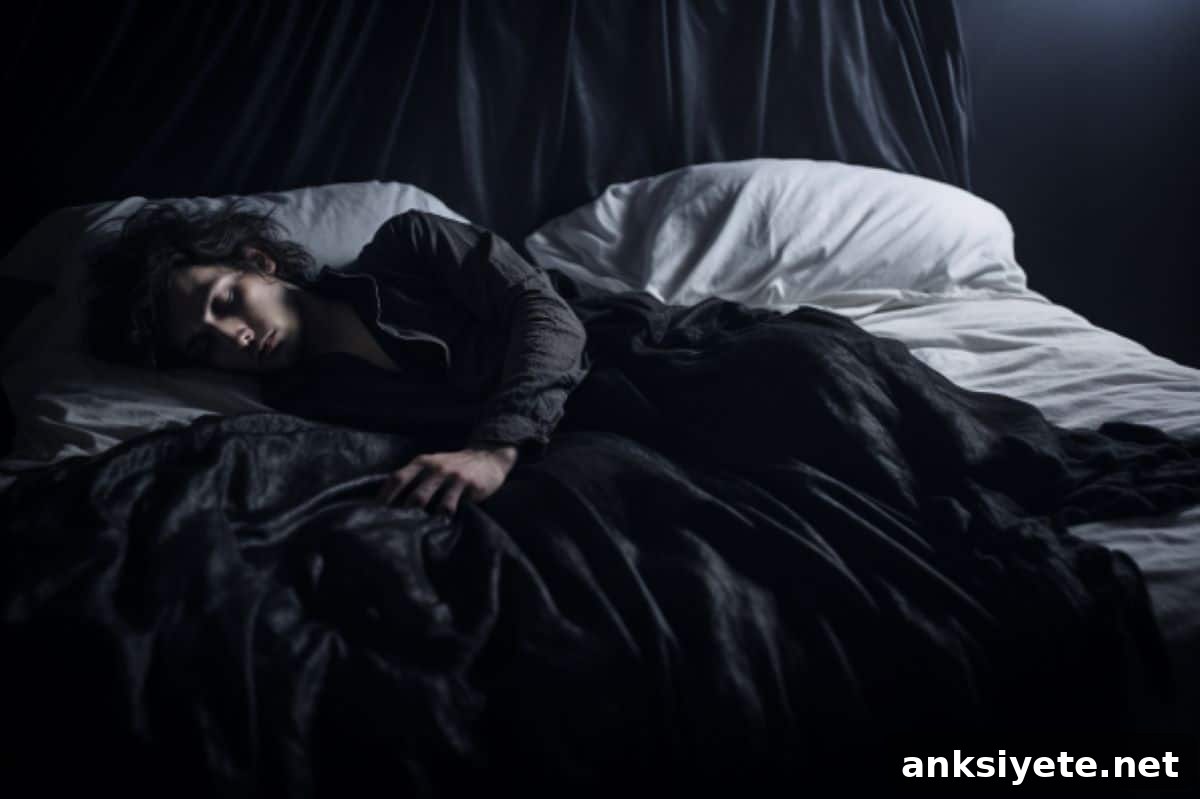
Summary: A new study examines how the Dark Triad personality traits—Machiavellianism, psychopathy, and narcissism—relate to sleep quality, with a focus on people who have affective disorders (AD). The research, based on data from 657 participants, finds that Machiavellianism and psychopathy are significantly associated with poorer sleep quality. Surprisingly, this negative association was stronger in mentally healthy participants than in those with AD, suggesting important implications for prevention and treatment.
Using validated self-report measures, the researchers measured sleep quality and Dark Triad traits in both healthy controls and individuals with affective disorders. After accounting for age and gender, Machiavellianism and psychopathy—but not narcissism—emerged as significant predictors of worse sleep. These findings highlight the value of considering personality traits when addressing sleep disturbances linked to mood and anxiety disorders.
Key Facts:
- Machiavellianism and psychopathy were associated with poorer sleep quality in the study sample.
- The negative impact of these traits on sleep was more pronounced among healthy control participants than among those with affective disorders.
- The results suggest that screening for and addressing certain personality traits could support prevention and treatment strategies for AD-related sleep problems.
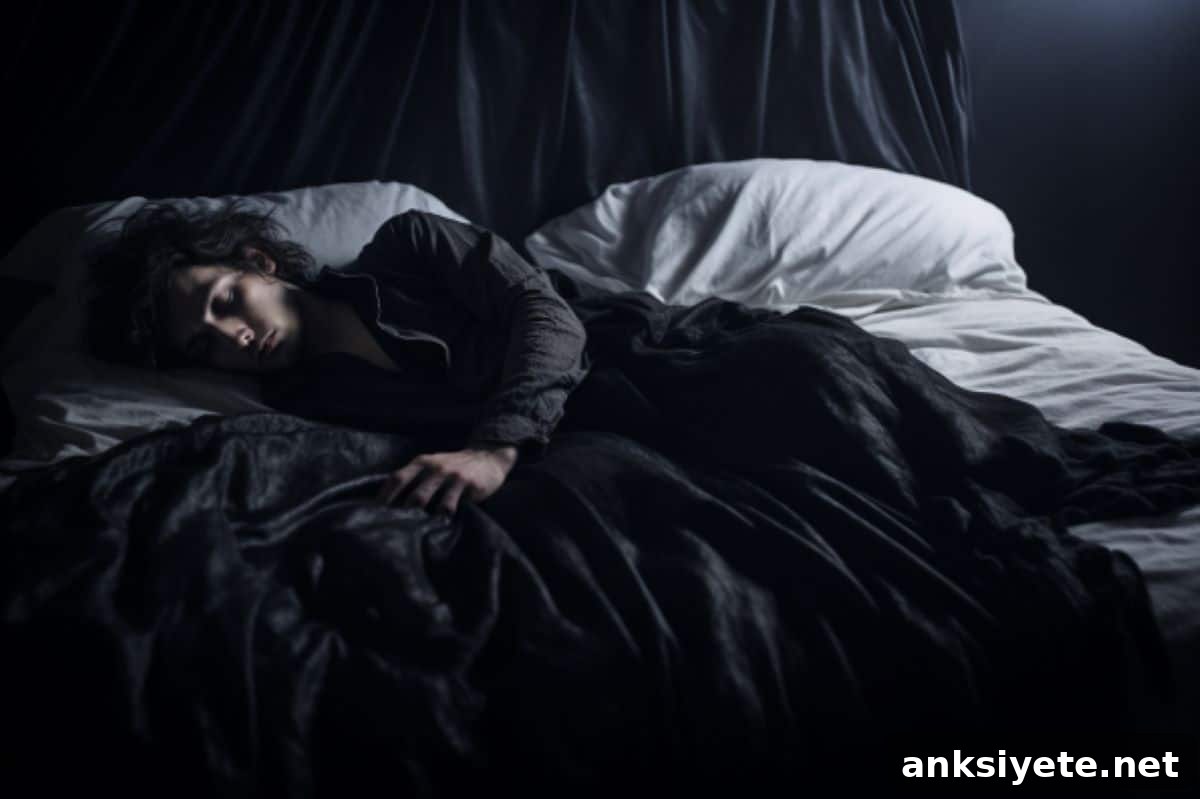
Sleep and mental health are closely linked: poor sleep can contribute to the onset and worsening of affective disorders such as depression and anxiety, and these disorders frequently disrupt sleep. Identifying the psychological factors that influence sleep—such as personality traits—can therefore improve strategies for prevention and treatment.
The Dark Triad is a psychological construct that includes three interpersonal traits. Narcissism involves grandiosity and a strong need for admiration. Machiavellianism is characterized by strategic manipulation and a focus on self-interest. Psychopathy is marked by low empathy, impulsivity, and risk-prone behavior. Prior research has connected Dark Triad traits to both sleep problems and increased vulnerability to affective disorders, but the specific role these traits play in sleep quality across clinical and nonclinical populations has remained unclear.
This study analyzed data from 657 individuals (267 healthy controls and 390 people diagnosed with affective disorders; 483 female, 166 male, 8 diverse; mean age = 34.87, SD = 13.86). Participants completed the Pittsburgh Sleep Quality Index to assess sleep quality and the Short Dark Triad questionnaire to measure narcissism, Machiavellianism, and psychopathy. Moderation analyses controlled for age and gender to isolate the relationships between personality traits, diagnostic status, and sleep quality.
Results showed that higher scores on Machiavellianism and psychopathy were significantly associated with poorer sleep quality (Machiavellianism: b = -0.76, p < .05; psychopathy: b = -1.15, p < .05), while narcissism did not show a significant effect (b = -0.20, p = .620). Notably, the detrimental effects of Machiavellianism and psychopathy on sleep were more evident among healthy controls. One interpretation offered by the researchers is a possible “floor effect” among those with affective disorders: sleep quality in the AD group may already be so impaired that additional influences from these personality traits are less detectable.
What are the clinical and public-health implications? First, including personality assessment in clinical evaluations could help tailor treatments for sleep disturbances and affective disorders. Psychoeducation that helps individuals understand how Machiavellian or psychopathic tendencies might worsen sleep could motivate better sleep hygiene and behavior changes. Second, screening for these traits could serve as a preventive measure: identifying at-risk individuals early might allow targeted interventions that reduce the likelihood of future AD onset or worsening via improved sleep. This approach could be particularly valuable in settings with limited mental health resources.
The study also points to areas for future research. Longitudinal studies are needed to determine causality and directionality between Dark Triad traits, sleep quality, and affective disorders. Incorporating objective sleep measures—such as actigraphy or polysomnography—would strengthen findings beyond self-report data and help map the biological and psychological pathways connecting personality and sleep.
Limitations are important to acknowledge. The study relied on self-reported questionnaires and a cross-sectional design, which can introduce reporting bias and prevents causal inferences. Nevertheless, the findings add to evidence that personality traits—particularly Machiavellianism and psychopathy—play a meaningful role in sleep health and could inform prevention and treatment strategies for affective disorders.
As mental health conditions and sleep problems continue to affect large populations worldwide, identifying modifiable and identifiable risk factors is essential. Personality traits represent a stable, measurable component of individual differences that can influence sleep and, by extension, mental health. Understanding these links better can help clinicians and public-health practitioners design more effective, personalized interventions to protect sleep and reduce the burden of affective disorders.
About this sleep and personality disorder research news
Author: Neuroscience News Communications
Source: Neuroscience News
Contact: Neuroscience News Communications – Neuroscience News
Image: Image credited to Neuroscience News
Original Research: Open access. “Machiavellianism and Psychopathy affect Sleep Quality in People with Affective Disorders and Mentally Healthy Individuals” by Andreas Baranyi et al., published in Frontiers in Psychology.
Abstract
Machiavellianism and Psychopathy affect Sleep Quality in People with Affective Disorders and Mentally Healthy Individuals
Deteriorated sleep quality is both a symptom and a risk factor for affective disorders (AD). This study investigated whether Dark Triad personality traits moderate the relationship between affective disorder status and sleep quality. Using data from 657 participants (267 healthy controls, 390 with AD; 483 female, 166 male, 8 diverse; mean age = 34.87, SD = 13.86) collected via online survey, researchers administered the Pittsburgh Sleep Quality Index and the Short Dark Triad questionnaire. Moderation analyses controlling for age and gender showed that Machiavellianism (b = -0.76, p < .05, R2 = .35) and psychopathy (b = -1.15, p < .05, R2 = .35) negatively affected sleep quality, whereas narcissism did not (b = -0.20, p = .620, R2 = .35). The negative effects were more pronounced in healthy controls, though overall sleep quality was worse in the AD group. Findings suggest that addressing Machiavellianism and psychopathy may be relevant for preventing and treating sleep problems associated with affective disorders, and call for further research into the mechanisms linking personality, sleep, and mental health.