
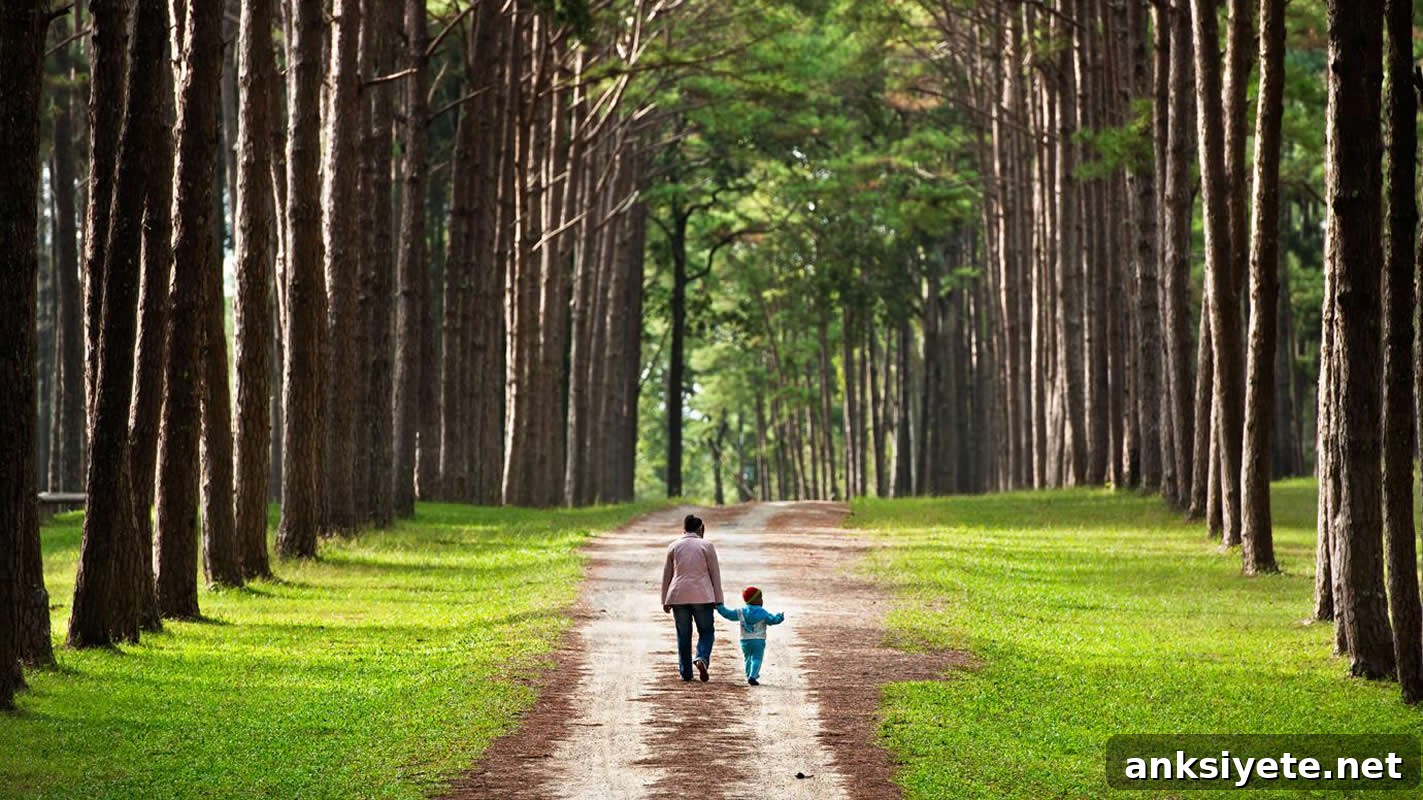
Summary: Young children in this study showed stronger preferences for urban scenes, while older children increasingly favored natural environments. The findings indicate that an affinity for nature appears to develop gradually across childhood rather than being present from an early age.
Source: University of Chicago
Introduction
Imagine two scenes: a quiet lake framed by snow-capped peaks and a shaded forest path, and on the other hand, a bustling downtown with towering skyscrapers and busy streets. While adults routinely report stronger aesthetic and emotional preferences for natural settings, it has been unclear whether children share that same inclination or whether preference for nature emerges later in life.
Study design and participants
To investigate how preferences for natural versus urban environments change across childhood, researchers from the University of Chicago’s Environmental Neuroscience Lab surveyed a large sample of children and compared their responses to adult ratings. The study included 239 children aged 4 to 11 and 167 adult participants. Recruitment occurred primarily at a local museum and through additional outreach; the child sample included participants from Chicago, other parts of Illinois, other U.S. states, and several English-speaking countries. The researchers intentionally sought at least 20 children in each age group and also analyzed a reduced sample that excluded siblings to control for family-related effects.
Participants were shown photographs of natural and urban scenes that had been carefully matched for visual appeal to avoid confounding preference for aesthetic qualities with preference for setting type. Parents provided background information about children’s time spent outdoors and nearby access to natural spaces.
Key findings
Contrary to the researchers’ expectation that children would mirror adult preferences for natural settings, the children in this study overall preferred urban images significantly more than adult participants did. However, that urban preference declined with age: older children showed a progressively stronger inclination toward natural scenes. In other words, the shift from urban preference to a greater appreciation of nature appears to develop gradually across the elementary years rather than being fixed in early childhood.
Importantly, children’s stated preferences were not predicted by the amount of time they reportedly spent outdoors in nature or by parents’ reports of nature-related activities. Nevertheless, the data showed that children who had more natural space near their homes were reported by parents to have lower inattentiveness, suggesting benefits of nearby nature on attention that are independent of explicit visual preference.
Interpretation and implications
The study’s senior author, Marc Berman, an associate professor in the Department of Psychology and director of the Environmental Neuroscience Lab, cautions that these results do not imply that nature is not beneficial for children. Prior research, including work from this lab, indicates measurable cognitive, social, and health benefits from nature exposure that are not simply driven by whether people prefer natural over urban settings or by momentary mood improvements. The current findings instead suggest that liking nature and gaining cognitive benefits from nature may follow different pathways: children can experience advantages from nature exposure even if they do not yet show a strong preference for it.
Lead author Kim Lewis Meidenbauer, a doctoral student at UChicago, noted that the team was surprised by the robust urban preferences among younger children. One plausible explanation the authors discuss is parental influence: as children grow older, their environmental preferences increasingly mirror those of their parents, implying that family attitudes and experiences with nature may shape children’s developing fondness for natural environments over time.
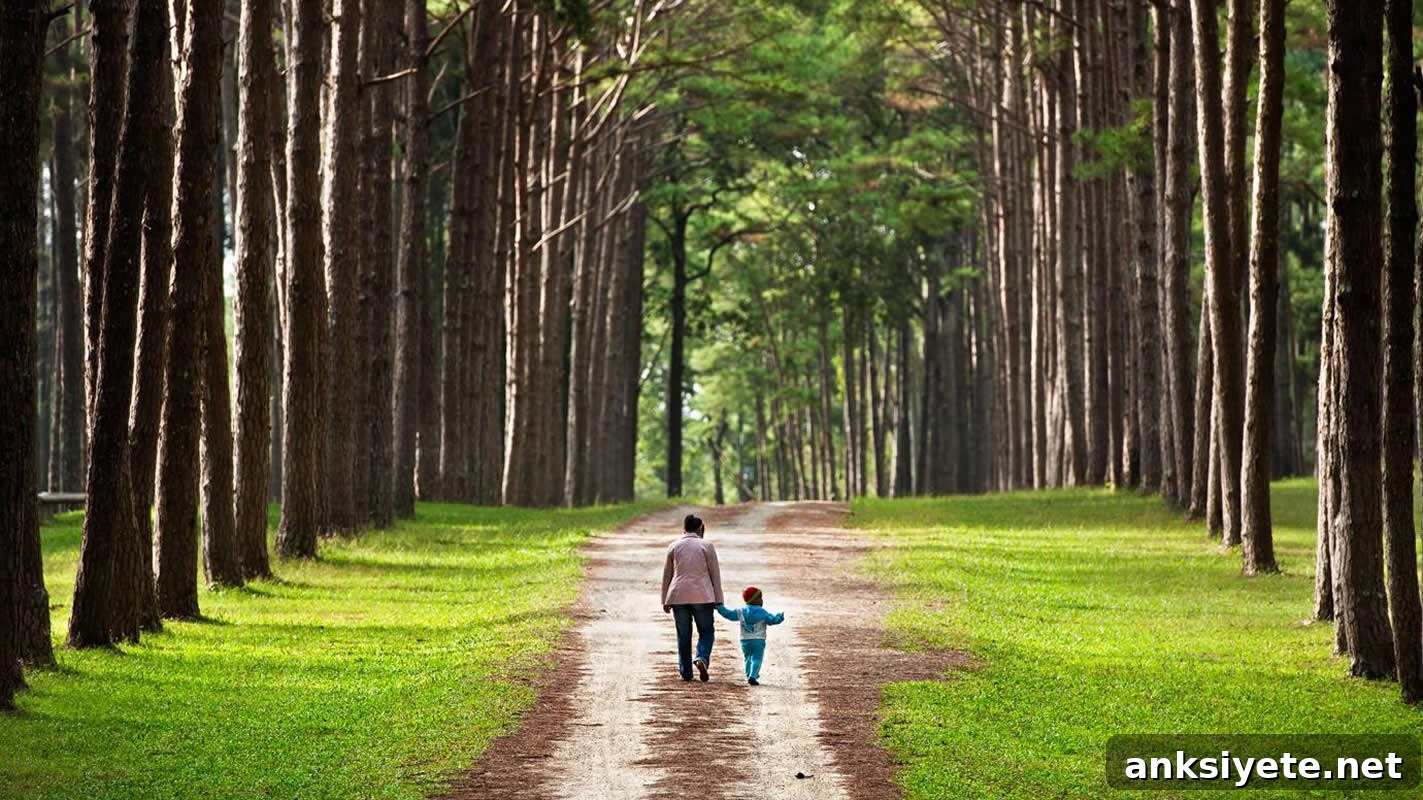
These results underscore the potential value of early, repeated exposure to natural settings. If an appreciation for nature matures gradually, then providing children with regular, meaningful experiences in parks, gardens, and other green spaces may be important for nurturing a later-life affinity for nature and preserving long-term engagement with the natural world.
Research team
In addition to Meidenbauer and Berman, co-authors include Cecilia Stenfors (formerly a UChicago postdoctoral fellow, now at Stockholm University), Jaime Young (Environmental Neuroscience Lab research technician), Elliott Layden, Kathryn Schertz, Omid Kardan, and Jean Decety, Irving B. Harris Distinguished Service Professor in Psychology and Psychiatry. The interdisciplinary team combined developmental, cognitive, and environmental neuroscience perspectives to examine how environmental preferences are formed during childhood.
Future directions
The researchers plan to investigate additional mechanisms that might explain why children’s preferences differ from adults’, to explore how family attitudes and experiences shape preference development, and to extend this work to adolescents. Determining whether and how preferences interact with other benefits of nature exposure remains a priority, especially given evidence that cognitive advantages can occur independently of aesthetic preference.
Funding: TKF Foundation, John Templeton Foundation, National Science Foundation
Source: University of Chicago
Media contact: Jack Wang – University of Chicago
Image source: Image adapted from a University of Chicago news release.
Original research: Meidenbauer et al., “The gradual development of the preference for natural environments,” Journal of Environmental Psychology. (Closed access)