
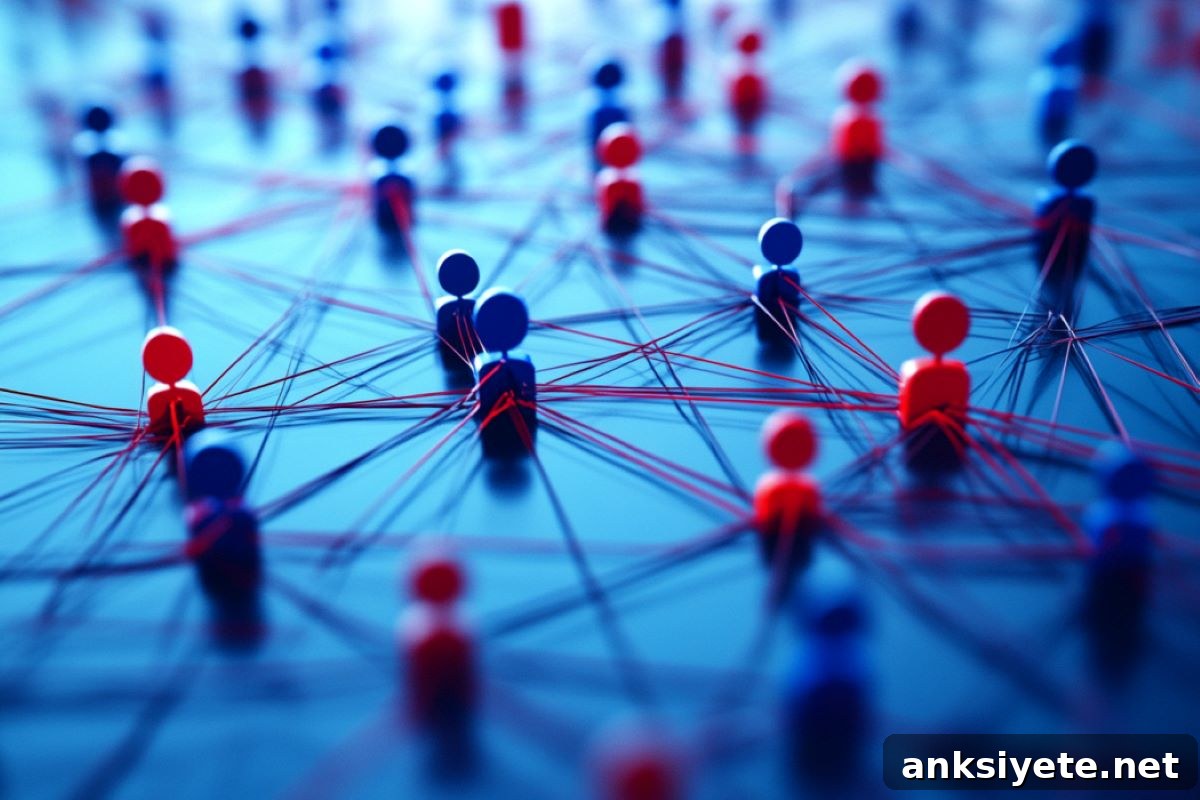
Summary: A new computational study demonstrates that prioritizing verified accounts in a social platform’s recommendation algorithms can deepen political polarization and promote the emergence of echo chambers. Using a simulation of how users post, follow, and update opinions, researchers explored how verified users—especially those with rigid ideological positions—alter the flow of political content and the resulting group dynamics.
The model shows that verified users who are open to changing their views can help reach consensus, but verified “ideologues” with entrenched positions drive division. In particular, a minority of influential extremist verified accounts can shift a network from broad agreement to a polarized landscape and create tightly clustered echo chambers. Conversely, large numbers of verified centrists may temper polarization, while stubborn but unverified centrists can still increase division without producing the same echo chamber structures.
Key Facts:
- Prioritization of verified accounts on X (formerly Twitter) can increase political polarization and foster echo chambers.
- Verified ideologues with fixed, extreme opinions exert the strongest polarizing influence.
- A substantial presence of verified centrist ideologues can reduce polarization, while stubborn unverified centrists tend to polarize without creating echo chambers.
Source: Cell Press
Background: When X changed its verification policy in 2022 to broaden eligibility, analysts warned the move might reshape how political ideas spread across the platform. Because X later restricted public data access, empirical study of these effects became difficult. To bypass that limitation, researchers turned to computational modeling to investigate how verification-driven prioritization could alter opinion dynamics in a social network.
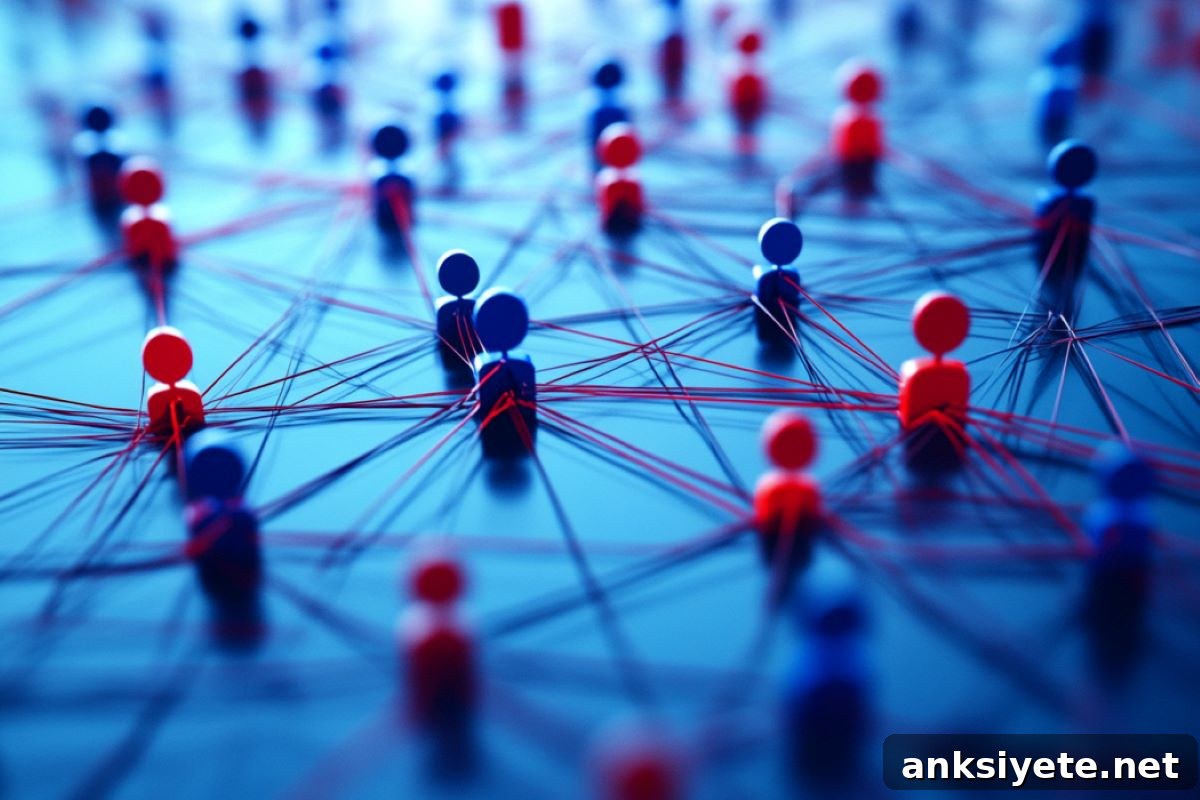
“Our simulations confirm that ideologues and prioritized profiles play a key role in steering how information and opinions circulate through a social network,” says lead author Henrique Ferraz de Arruda, a computer scientist at George Mason University. “When prioritized accounts post, their content reaches larger audiences and can significantly reinforce group-aligned viewpoints.”
In the study published October 22 in the iScience journal, the researchers varied both the share of verified (priority) accounts and the degree to which those users were stubborn in holding their opinions. The model allowed users to follow or unfollow others and to update their expressed opinions after exposure to messages, capturing how network connections and visibility interact over time.
Key outcomes depend on the combination of visibility and rigidity. If prioritized users are flexible, their wider reach can help the network converge toward shared views. But when prioritized users are ideologues fixed on extreme positions, even a small minority can trigger fragmentation: polarization increases and users reorganize into like-minded clusters—classic echo chambers—where messages circulate primarily among those who already agree.
Interestingly, the effect of centrists depends on visibility and numbers. Verified centrist ideologues present in sufficient proportion dampened polarization and prevented echo chambers. By contrast, when similarly stubborn centrists lacked prioritization, their presence still heightened polarization but did not produce the same clustered dynamics.
“The transition we observe comes not just from individual posts but from how followers change their links,” Arruda explains. “As priority users become the hub of attention, a large share of messages are routed to or from them, allowing opinion reinforcement and the consolidation of segregated groups.”
Although the simulation was inspired by X’s verification model, the authors argue the findings likely apply to other social platforms that amplify certain accounts through algorithmic prioritization. They recommend that platforms monitor and reevaluate how visibility is assigned to avoid unintentionally magnifying divisive actors or enabling coordinated manipulations.
The study’s authors note that polarization can sometimes be an unintended byproduct of engagement-driven design: prioritization schemes that boost visibility to increase user activity may inadvertently strengthen polarizing dynamics. Future model extensions planned by the team include adding realistic features such as personalized news feeds, reposting mechanics, and calibration to data from multiple social apps.
Funding:
This research was supported by the Government of Aragón, Spain, and the Ministerio de Ciencia e Innovación, Agencia Española de Investigación.
About this social behavior research news
Author: Kristopher Benke
Source: Cell Press
Contact: Kristopher Benke – Cell Press
Image: The image is credited to Neuroscience News
Original Research: Open access. “Echo chamber formation sharpened by priority users” by Henrique Ferraz de Arruda et al., iScience. The study uses computational models to explore how prioritized accounts influence opinion dynamics, polarization, and echo chamber formation.
Abstract
Echo chamber formation sharpened by priority users
Priority users—profiles whose posts receive greater visibility from recommendation algorithms, such as verified accounts on X—can shape opinion dynamics in social networks in complex ways. Using a stylized computational model, the authors find that prioritization sometimes reduces polarization, but when combined with stubborn, ideologically driven behavior, it can instead intensify opinion segregation and promote echo chamber formation. A minority of extremist, prioritized accounts is sufficient to drive a network from consensus toward polarization, highlighting the need for careful oversight of platform prioritization policies to prevent misuse of amplified influence.