
Summary: Exosomes carry signaling information essential for regulating neural circuit development.
Source: Scripps Research Institute
Overview: Exosomes—tiny membrane-bound vesicles released by virtually every cell—act like molecular parcels, transporting proteins, lipids and RNA between cells. Once dismissed as cellular waste, exosomes are now recognized as critical mediators of intercellular communication. Recent research from Scripps Research reveals that exosomes play a direct role in neuronal development and neural circuit assembly, and that healthy exosomes can reverse deficits in models of developmental brain disorders.
Researchers led by Hollis Cline, Ph.D., co-chair of the Department of Neuroscience at Scripps Research and director of the Dorris Neuroscience Center, examined how exosomes influence neurogenesis, synapse formation and neuronal network activity. Their findings, published in Proceedings of the National Academy of Sciences, show that exosome cargo—particularly proteins—carries signaling information required for brain development and can restore function in cells affected by genetic disorders.
“We found that exosomes are one of the ways cells communicate these signals,” says Cline.
Cells use vesicles to shuttle material internally and to neighboring cells. Exosomes are a specialized class of these vesicles dedicated to transporting molecular cargo between cells. The Scripps team focused on the protein component of exosomes and demonstrated that these proteins form functional signaling networks that guide neuronal proliferation, differentiation, synaptogenesis and coordinated electrical activity.
The investigators compared exosomes produced by healthy human neurons with exosomes from neurons modeling Rett syndrome, a genetic neurodevelopmental disorder with autism-like symptoms caused by mutations in the MECP2 gene. Using human neurons derived from induced pluripotent stem cells (iPSCs) obtained from Rett patients, the researchers carried out proteomic profiling and functional assays to determine differences in exosome composition and bioactivity.
Pranav Sharma, Ph.D., a neuroscientist in Cline’s laboratory, reports that exosomes from Rett-model neurons did not contain harmful proteins, but they lacked many of the essential signaling proteins present in exosomes from healthy control neurons. “They did not have bad stuff, but they lacked the good stuff,” Sharma explains. This absence of specific signaling proteins rendered the Rett-derived exosomes unable to support normal neuronal development in laboratory assays.
To test whether these deficits could be corrected, the team used CRISPR gene editing to restore the normal MECP2 sequence in the diseased cells. Correcting the mutation rescued the signaling functions of the exosomes, demonstrating that the exosome deficits were directly linked to the underlying genetic mutation. The researchers also treated Rett-model neuronal cultures with exosomes harvested from healthy neurons; this treatment restored neuronal proliferation, differentiation, synapse formation and synchronized firing patterns in the Rett-model cultures.
One of the most striking results was the therapeutic effect of healthy exosomes on disease-model cells. “Exosomes from healthy cells can indeed rescue neurodevelopmental deficiencies in cells with Rett syndrome,” Cline says. The finding suggests a potential path toward exosome-based interventions for certain neurodevelopmental disorders—conditions for which the genetic causes are known but therapeutic options remain limited.
The team collaborated with experts in stem cell biology and proteomics to generate rigorous data. Alysson Muotri, Ph.D., at the University of California, San Diego, provided iPSC-derived neurons from Rett patients; proteomic analysis was conducted in collaboration with mass spectrometry specialists John Yates III, Ph.D., and Daniel McClatchy, Ph.D., whose labs enabled detailed characterization of exosome protein cargo.
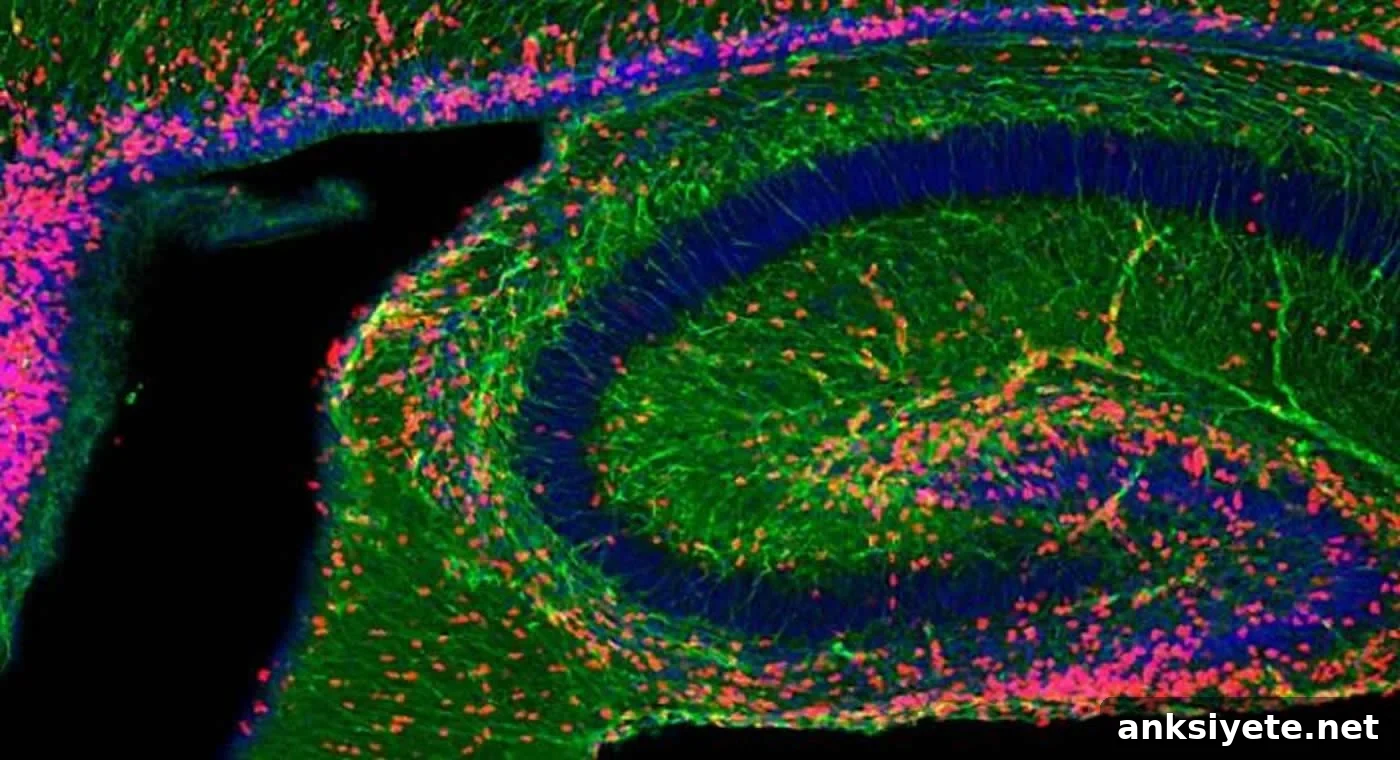
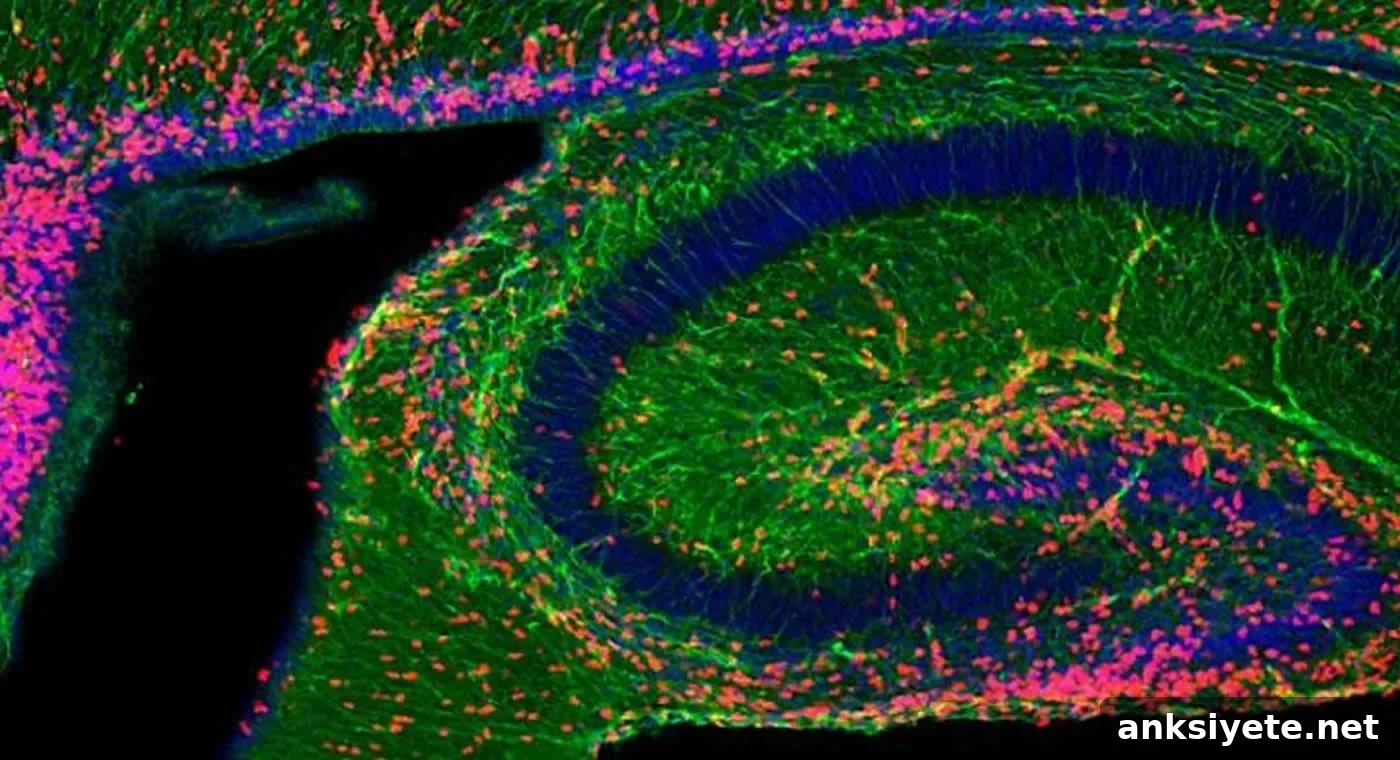
To confirm that exosome effects observed in cell cultures translate to intact brain tissue, the researchers injected healthy neuronal exosomes into the hippocampus of neonatal mice. They observed increased neuronal proliferation in the dentate gyrus, a hippocampal region critical for learning and memory, confirming that exosome bioactivity is relevant in vivo as well as in vitro.
These results raise important new questions with potential clinical implications. Could exosomes be developed as biomarkers detectable in blood tests to monitor neurodevelopmental disease or treatment response? Do similar exosome deficiencies occur in other autism spectrum disorders or genetic conditions such as Fragile X syndrome? Could exosome-based therapies be designed to deliver missing signaling proteins to affected neural circuits?
“This research has broad relevance to many disorders of brain development,” Cline says. “The biology is compelling and opens promising avenues for future study.” The team plans to investigate the molecular mechanisms by which exosome proteins influence neural circuit assembly and to explore translational approaches for diagnosis and therapy.
Funding: This research was supported by the National Institutes of Health, Simons Foundation Autism Research Initiative, Brain & Behavior Research Foundation, International Rett Syndrome Foundation, Hahn Family Foundation, California Institute of Regenerative Medicine and the Helen Dorris Foundation.
Source:
Scripps Research Institute
Media Contacts:
Kelly Quigley – Scripps Research Institute
Image Source:
Image credit: Cline lab at Scripps Research, La Jolla, California.
Original Research: Open access
“Exosomes regulate neurogenesis and circuit assembly.” Pranav Sharma, Pinar Mesci, Cassiano Carromeu, Daniel R. McClatchy, Lucio Schiapparelli, John R. Yates III, Alysson R. Muotri, and Hollis T. Cline. Proceedings of the National Academy of Sciences. doi: 10.1073/pnas.1902513116
Abstract
Exosomes regulate neurogenesis and circuit assembly
Exosomes are released by cells throughout the body and contribute to intercellular signaling. This study tested whether neuronal exosomes regulate neural circuit development. Exosome treatment increased cellular proliferation in developing neural cultures and in the dentate gyrus of neonatal mouse brain. Proteomic comparisons between exosomes from MECP2-deficient human iPSC-derived neural cultures (a Rett syndrome model) and isogenic rescue controls revealed that control exosomes contain multiple signaling networks important for neuronal circuit formation. Treating MECP2-knockdown human primary neural cultures with control exosomes restored deficits in proliferation, differentiation, synaptogenesis and synchronized firing, while exosomes from MECP2-deficient cultures lacked these activities. These data indicate that exosomes carry signaling information required to regulate neural circuit development.