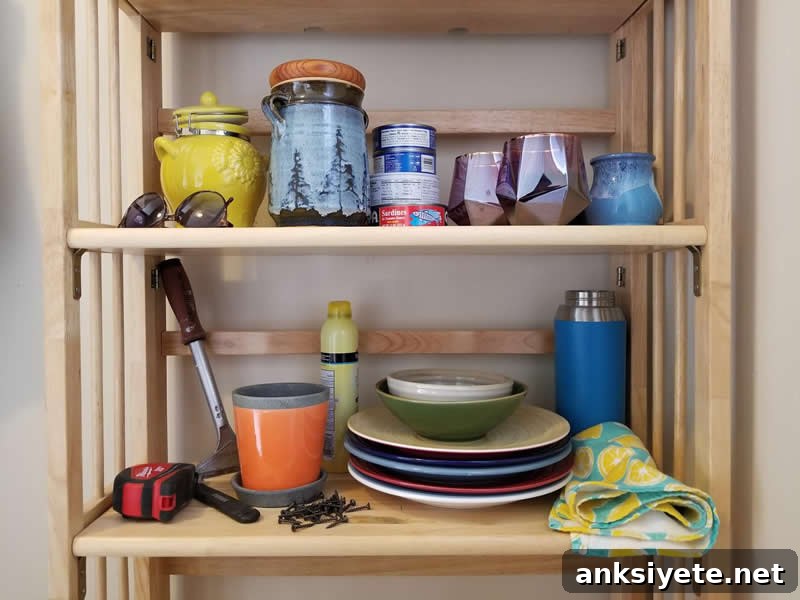
Invisible Clues That Help You Locate Lost Items
Summary: People searching for a missing item can locate it about 20% faster when they implicitly use nonvisual physical properties—such as hardness…
Topic
Topics
Summary: People searching for a missing item can locate it about 20% faster when they implicitly use nonvisual physical properties—such as hardness…
Summary: A recent WHO report estimates that over 300 million people worldwide live with depression, marking an 18% rise in diagnosed cases…
Summary: Synchronizing vagus nerve stimulation with the body’s natural rhythms—specifically the heartbeat and breathing—substantially improves therapeutic effectiveness. This non-invasive “electric pill” approach…
Summary: Researchers examine how the eyes play a central role in emotional expression, social bonding and even mate selection. Source: The Conversation…
Summary: A randomized, controlled clinical trial in Japan found that using electroencephalography (EEG) to guide anesthesia in young children substantially reduced the…
Summary: A new study identifies how vaccine-triggered antibodies from pregnant women cross the placenta to reach their newborns. The findings clarify which…
Summary: New research clarifies how brain inflammation and aging-related cognitive decline may be connected through a cascading cellular process. Source: Harvard Researchers…
Summary: New research reveals that the brainstem’s locus coeruleus (LC) plays a central role in organizing sleep cycles by pacing transitions between…
Summary: A large meta-analysis finds that heightened impulsivity—measured as a stronger preference for smaller immediate rewards over larger delayed rewards, known as…
Summary: New research shows that people who carry a higher load of ultra-rare protein‑truncating variants (PTVs) tend to have shorter healthspans and…
Readers are exploring