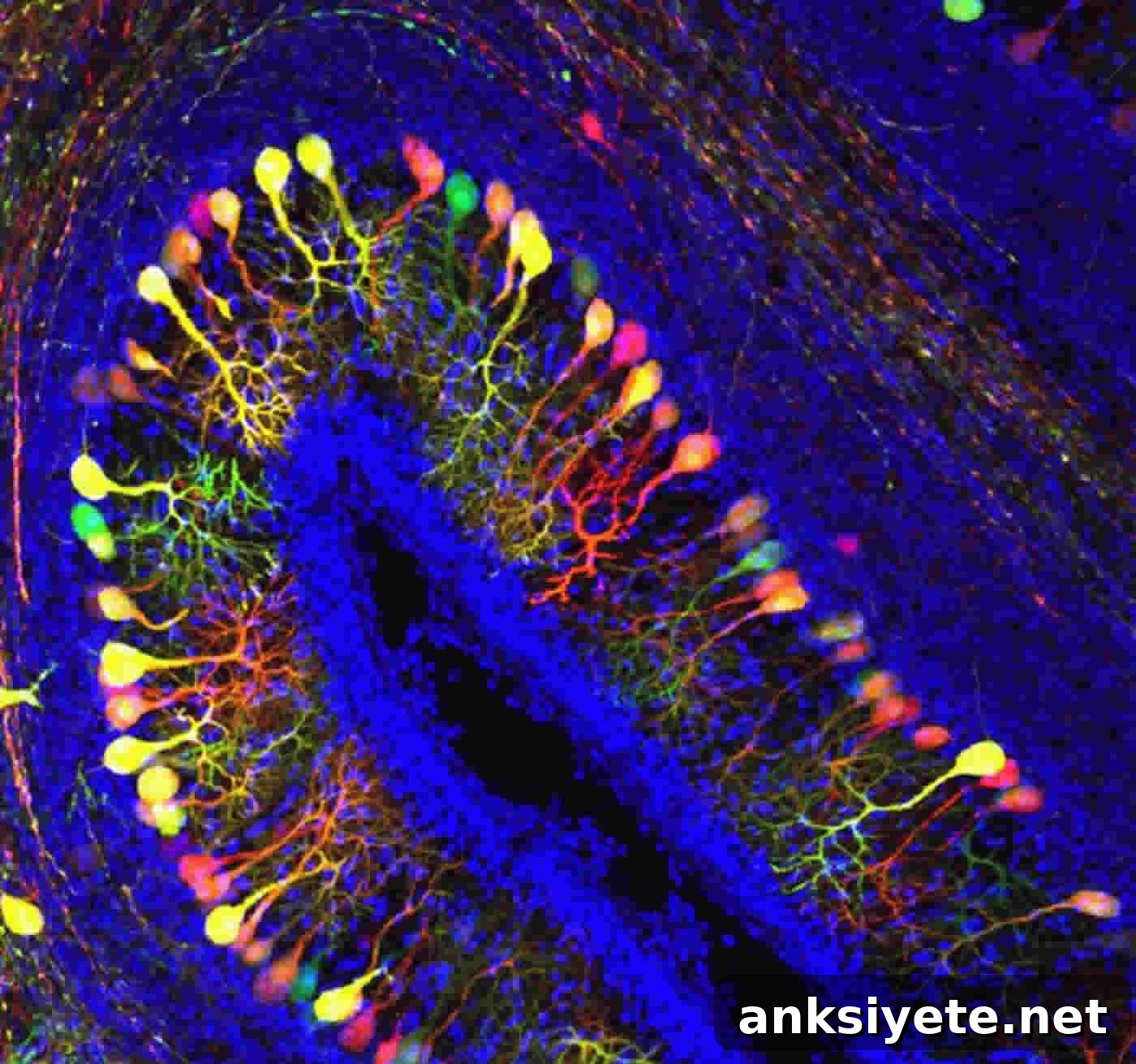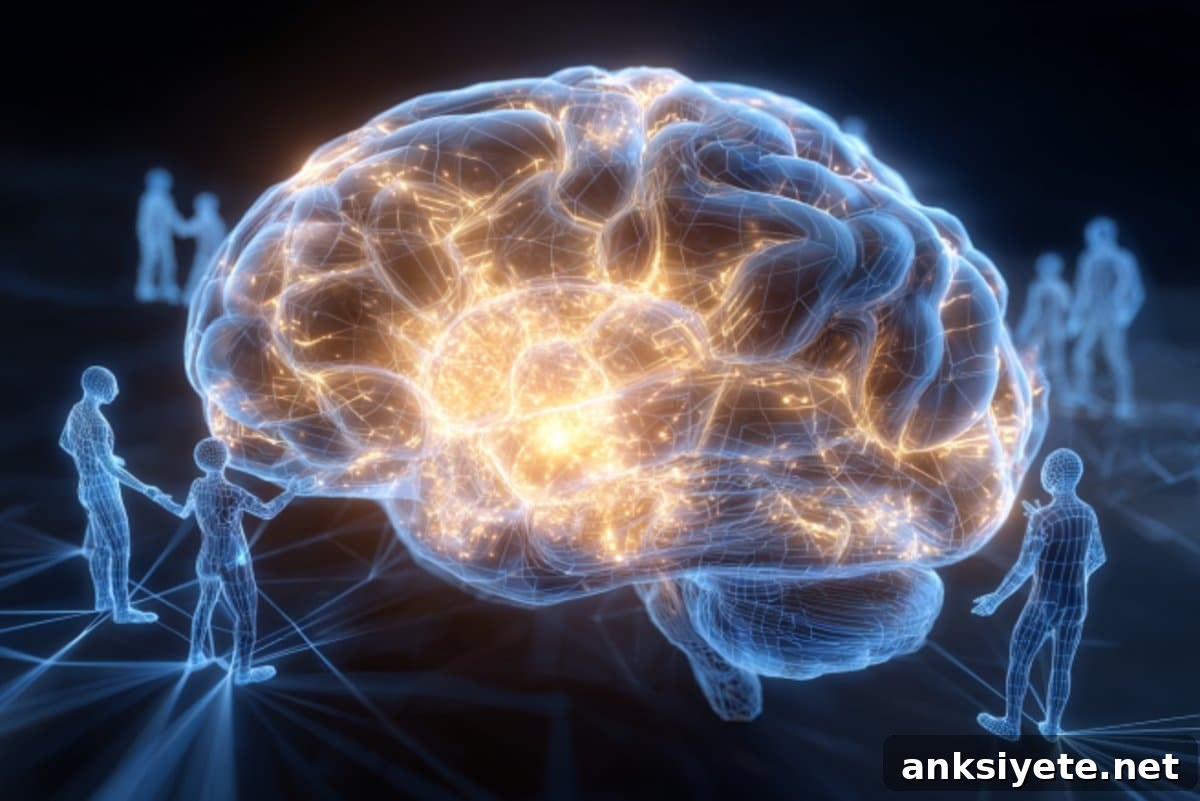
Wetware AI: Living Neurons Trained to Model Chaotic Systems
Summary: The boundary between biology and computer science has moved closer: researchers have trained living rat neurons to perform complex machine-learning tasks.…
Topic
Topics
Summary: The boundary between biology and computer science has moved closer: researchers have trained living rat neurons to perform complex machine-learning tasks.…
Summary: From a tennis player timing a 100 mph serve to a driver deciding whether to stop at a yellow light, the…
Summary: Researchers have resolved a long-standing question about the source of our highest visual detail: whether it arises in the eye, the…
Summary: Brain aging is shaped not only by genes and lifestyle but by the environments and societies we live in. A large…
Summary: For decades the hippocampus — a deep brain region essential for memory and emotion — was regarded as inaccessible to noninvasive…
Summary: It is a classic “boy meets girl” story—if the boy is a California two-spot octopus and the girl is hidden behind…
Summary: Human cerebral organoids—small, lab-grown clusters of human brain tissue—are a powerful model for studying neurodevelopmental disorders such as Angelman syndrome. Progress…
Summary: Understanding the molecular “switches” that control when and where genes turn on remains a major challenge in biology. Recent advances in…
Summary: For the roughly 60 million Americans living with chronic pain, the sensation is not simply prolonged discomfort—it reflects a biological misinterpretation.…
Summary: In the 1960s, Nobel laureates David Hubel and Torsten Wiesel proposed that visual perception is built in a stepwise, “bottom-up” fashion:…
Readers are exploring