How Core Exercises Increase Brain Blood Flow
Summary: Contraction of the core abdominal muscles during everyday activities—such as exercise, walking, straining, or coughing—directly affects blood flow in the brain…
Topic
Topics
Summary: Contraction of the core abdominal muscles during everyday activities—such as exercise, walking, straining, or coughing—directly affects blood flow in the brain…
Summary: Researchers at the University of Georgia have identified nearly a dozen genes that enable planarian flatworms to regenerate dopamine-producing neurons and…
Summary: Researchers at Stanford University examined brain activity and problem-solving behavior in 8- to 10-year-old children and found that developmental dyscalculia is…
Summary: Neuroscientists have discovered that a small adjacent region to the amygdala—the amygdalostriatal transition zone (ASt)—shows sustained, high activity that maintains fear-related…
Summary: Neuroscientists have identified a core mechanism of neocortical communication showing that neighboring visual regions form a dynamic consensus through bidirectional connections.…
Summary: A nationwide cohort study spanning more than three decades and including 3.7 million births shows that congenital TORCH infections—those transmitted from…
Summary: A new mouse study from Cold Spring Harbor Laboratory (CSHL) shows that maternal immune activation during a narrow gestational window can…
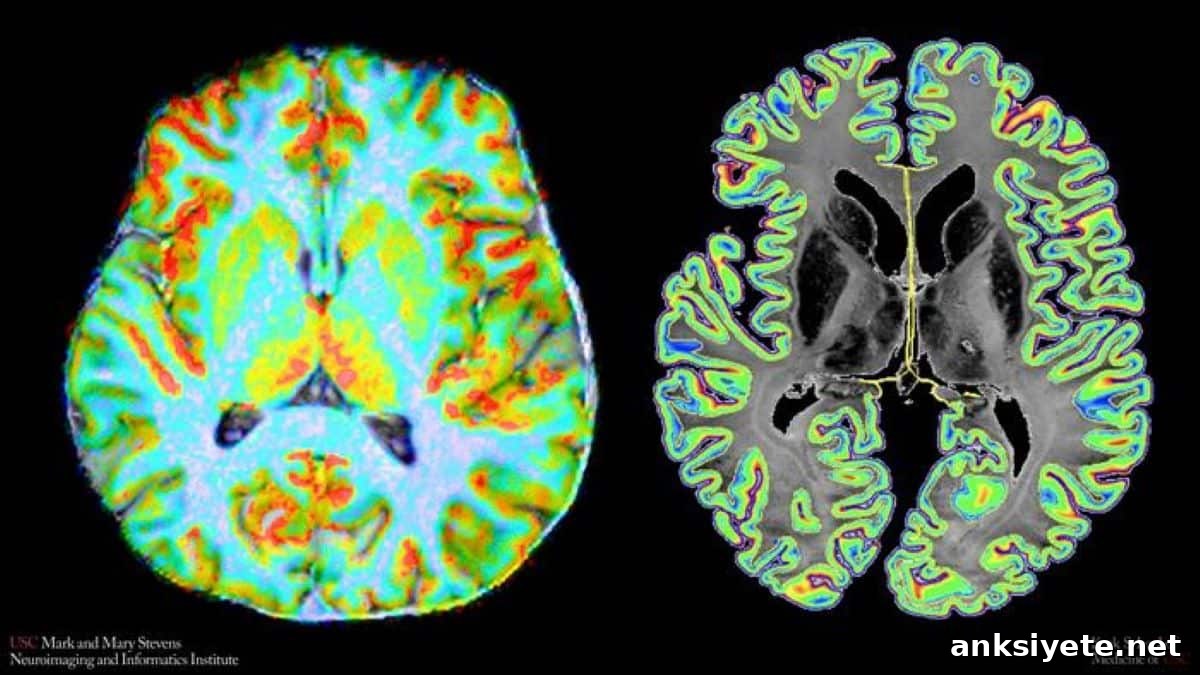
Summary: Researchers at the Keck School of Medicine of USC have developed a noninvasive metric, the cerebral blood flow–cell-body staining intensity similarity…
Summary: A new study finds that exposure to light at night is strongly linked to objectively measured sleep disruption in outpatients with…
Summary: Researchers report that spontaneous eye-blink rate (sEBR) is a simple, noninvasive marker for tracking the emergence of executive function in early…
Readers are exploring