
Summary: Researchers have proposed a new research framework that defines Alzheimer’s disease by measurable brain changes rather than by symptoms.
New Research Framework Defines Alzheimer’s Disease Biologically
“NIA‑AA Research Framework: Towards a Biological Definition of Alzheimer’s Disease” was published in the April 2018 issue of Alzheimer’s & Dementia: The Journal of the Alzheimer’s Association. Lead author Clifford R. Jack, Jr., M.D., with colleagues from multiple institutions, proposes that for research purposes Alzheimer’s disease should be defined as a biological process documented by brain pathology or biomarkers in living people, rather than primarily by cognitive symptoms and behavior. This represents a significant shift in how the scientific community conceptualizes Alzheimer’s disease and how clinical research will be designed.
Why a Biological Definition Matters
Treating and preventing Alzheimer’s disease is one of the most difficult challenges facing medicine today. Past clinical trials have been hampered by inconsistent participant selection; in some trials, a substantial portion of participants did not have the Alzheimer’s-related brain changes targeted by the intervention. Defining the disease biologically aims to ensure that research enrolls people with the specific pathologic changes a therapy is intended to modify.
Maria Carrillo, Ph.D., Chief Science Officer of the Alzheimer’s Association and a co-author, emphasizes that a biologically based framework will help improve the efficiency and success rate of therapy development, an urgent need given the aging global population and rising care costs for people with dementia.
From Syndromal to Biological
The new framework aligns Alzheimer’s research with how many chronic diseases are defined: by underlying biology, with clinical symptoms seen as consequences. The goal is to detect and treat disease processes before overt symptoms appear. The authors note that other medical fields successfully use biomarker-defined disease categories—hypertension, diabetes, hyperlipidemia and osteoporosis—where treating biomarkers reduces the risk of adverse outcomes such as heart attacks, strokes and fractures.
The AT(N) Biomarker System
The framework groups biomarkers into three categories—A, T and (N)—that reflect major pathologic processes observed in Alzheimer’s disease:
- A (amyloid): Evidence of β-amyloid deposition measured by amyloid PET imaging or cerebrospinal fluid (CSF) Aβ42 or the Aβ42/Aβ40 ratio.
- T (tau): Measures of pathologic tau, for example CSF phosphorylated tau (p‑tau) or tau PET imaging of neurofibrillary tangles.
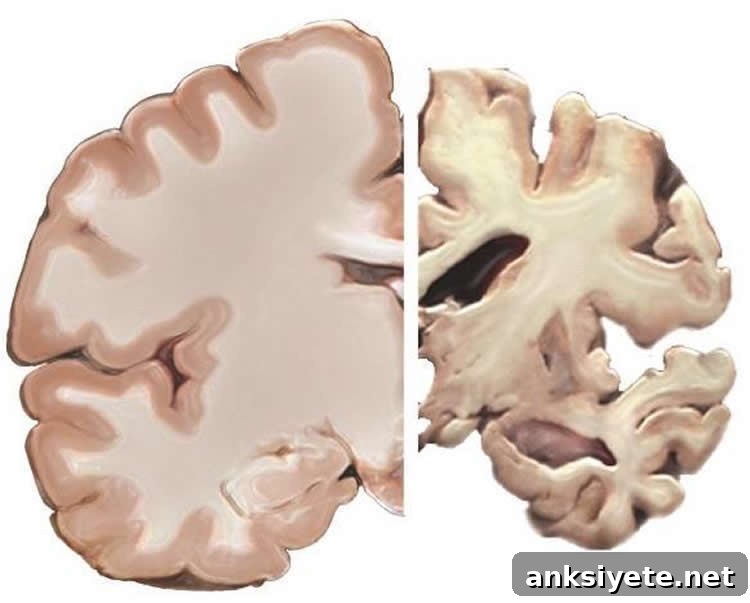
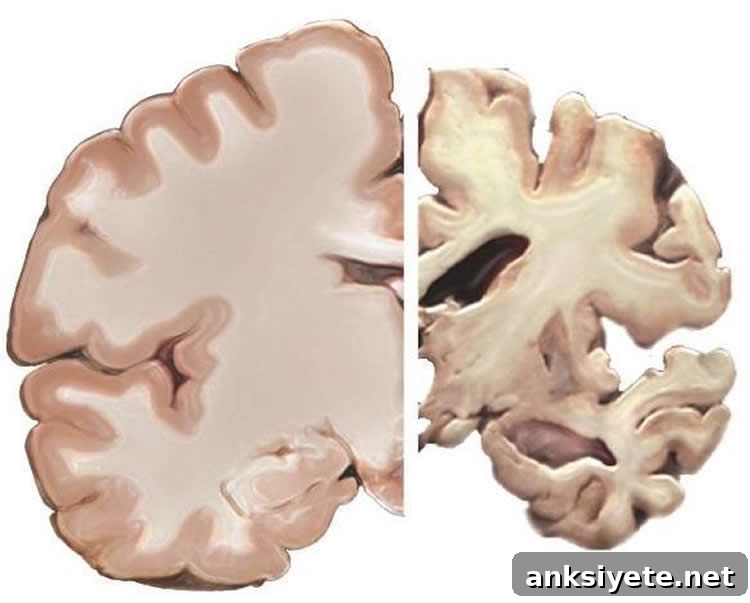
- (N) (neurodegeneration): Markers of neuronal injury or dysfunction, such as hippocampal or cortical atrophy on MRI, cortical thickness measures, or CSF total tau (T‑tau).
In this scheme, A and T are considered more specific to Alzheimer’s disease pathology, while (N) captures neurodegeneration that can arise from multiple causes. The AT(N) system is intended to be flexible: it can be implemented using imaging or CSF markers, mixed approaches, and it can accommodate new validated biomarkers as they emerge. The system groups biomarkers by the pathologic process they measure; it does not imply a fixed order of events or direct causality.
Applications to Clinical Trials and Research
Applying AT(N) to clinical trials can better identify participants who are most likely to progress in a trial’s timeframe and can allow trials to target specific biological stages of disease. This biological staging enables proof‑of‑concept trials in well-defined target populations and helps to test whether modifying a particular molecular target changes the associated pathology.
Innovative trial designs used in oncology—platform trials, umbrella and basket designs—could be adapted with AT(N) stratification to determine the biological stage at which an intervention has maximal effect. Trials that enroll biologically defined populations may clarify long‑standing questions in Alzheimer’s research, such as the roles of amyloid and tau in disease progression and the optimal timing for targeting these pathologies.
Advantages Over Symptom‑Based Definitions
- Symptoms alone lack sensitivity and specificity for Alzheimer’s pathology and cannot identify people with preclinical disease who are still asymptomatic.
- A biological definition supports prevention and early‑intervention strategies by detecting disease before cognitive decline becomes apparent.
- Harmonizing a common biomarker language across observational and interventional research improves comparability of studies conducted worldwide.
- The AT(N) approach moves research toward personalized medicine by classifying each participant’s profile across three pathologic domains and by allowing additional biomarkers and genetic or clinical information to refine treatment strategies in the future.
New Labels and a Common Language
The Framework proposes new labels tied to biomarker evidence rather than symptoms. For example:
- Individuals with biomarker evidence of amyloid deposition (A positive) but normal tau markers would be labeled as having “Alzheimer’s pathologic change.”
- When both amyloid and pathologic tau biomarkers are positive, the term “Alzheimer’s disease” would apply.
- These terms describe different phases along an “Alzheimer’s continuum,” with labels applied independently from clinical symptoms.
Every research participant would have both a biomarker profile and a cognitive stage. For example, the Framework would use the label “Alzheimer’s disease with mild cognitive impairment (MCI),” indicating that although the person has an Alzheimer’s biomarker profile, other comorbidities could also contribute to the cognitive deficit.
Limitations, Cautions, and Next Steps
The authors emphasize that the Research Framework is intended for observational and interventional research, not for routine clinical practice at this stage. They caution that the biomarker‑based approach could be misunderstood or misused if applied prematurely in general medical care. The Framework should not replace alternative research methods that do not use biomarkers when those approaches are appropriate for specific study goals.
The document was developed with input from diverse stakeholders, including academic investigators, industry, regulatory representatives and public comment, and the authors stress the need to validate the Framework in diverse global populations. The current version is built on available biomarker technologies and is explicitly designed to be expandable as new validated biomarkers and methods become available.
Fact Sheet — Key Points
What the Framework Does
- Defines Alzheimer’s disease in research by underlying pathologic processes documented at autopsy or in vivo by biomarkers.
- Shifts the diagnostic focus in living people from symptom‑based syndromes to a biological construct.
- Aims to enable prevention and early‑intervention trials by identifying people with preclinical disease.
How AT(N) Is Used
- Groups biomarkers into amyloid (A), tau (T) and neurodegeneration (N) categories to classify participants biologically.
- Can be implemented using CSF, PET imaging, MRI, or combinations of these measures.
- Is flexible and expandable to include validated new biomarkers and additional biomarker groups in the future.
Clinical Trial Applications
- Enriches trials with participants most likely to show disease progression relevant to the intervention being tested.
- Permits more precise staging of biological disease and targeted testing of mechanisms.
- Supports data‑driven, biomarker‑stratified trial designs to determine when and in whom interventions are effective.
Conclusion
By framing Alzheimer’s disease as a biological continuum identified through validated biomarkers, the NIA‑AA Research Framework aims to standardize how researchers describe and study the disease. This common language will improve comparability across studies, refine participant selection for trials, and help investigators test targeted interventions at the biologic stages where they may have the greatest impact. The Framework is intended as a research tool and must be validated broadly before consideration for clinical use.
Source: Alzheimer’s Association. Published April 10, 2018 in Alzheimer’s & Dementia: The Journal of the Alzheimer’s Association.
Original research: NIA‑AA Research Framework: Toward a biological definition of Alzheimer’s disease. DOI: 10.1016/j.jalz.2018.02.018