
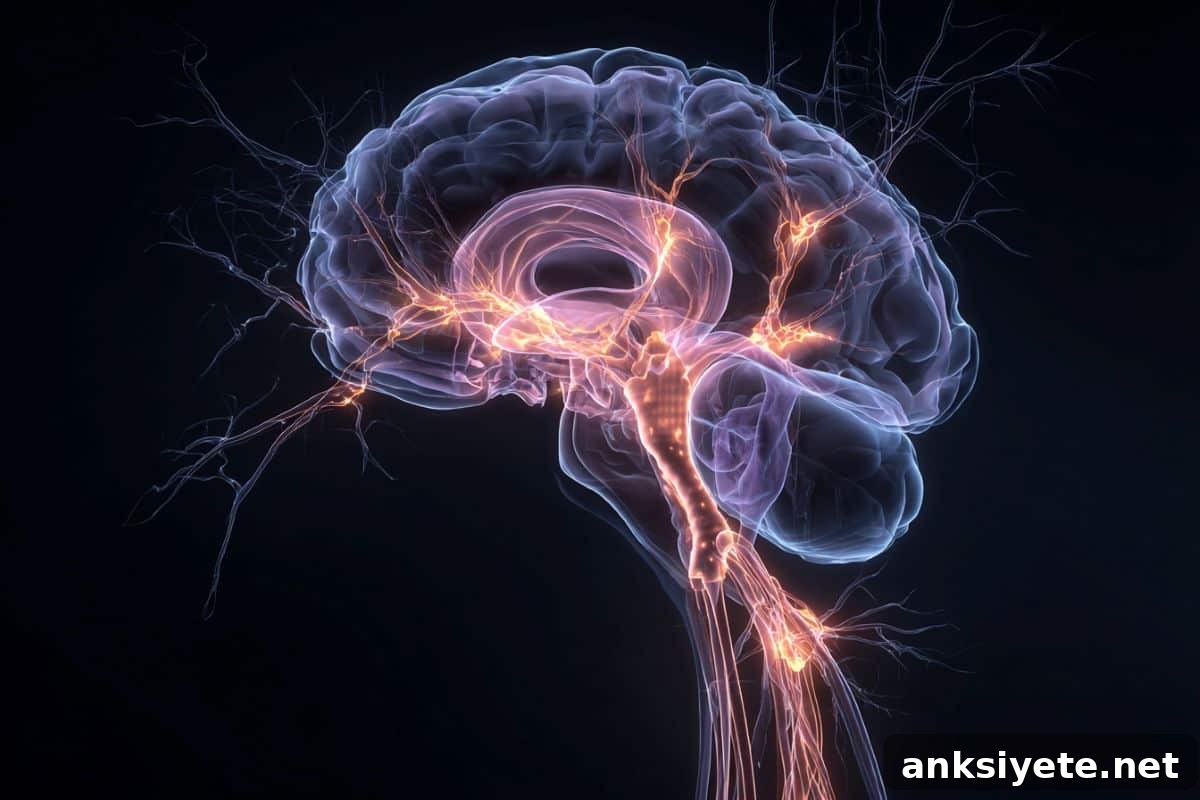
Summary: Researchers have traced a precise brain circuit that produces the nocebo effect — the biological process by which negative expectations increase physical pain. The study shows that anticipation, fear, or observing another’s suffering triggers release of the neurochemical cholecystokinin (CCK), which travels along a defined pathway to amplify pain sensitivity.
This work provides direct physiological evidence that nocebo-induced pain is a genuine biological response rather than an imagined symptom, and it points to tangible targets for reducing anxiety-driven pain amplification.
Key Facts
- The Nocebo Shift: Unlike the placebo effect, where positive expectations can reduce pain, the nocebo effect occurs when negative expectations — shaped by prior experience, verbal suggestion, or social observation — increase anxiety and worsen pain.
- Independent Confirmation: Two independent research teams, at the University of Toronto Mississauga and McGill University, arrived at the same conclusion without prior coordination, identifying cholecystokinin (CCK) as a central mediator of the nocebo response.
- Mapped ACC-to-lPAG Pathway: The researchers mapped a pathway in which CCK is released from the anterior cingulate cortex (ACC), a brain region that processes the emotional aspects of pain, and travels to the lateral periaqueductal gray (lPAG), a midbrain hub that adjusts pain sensitivity.
- Behavioral Triggers: In mouse models, negative expectation was induced either by returning animals to an environment where they had previously experienced pain (with no new injury) or by allowing them to observe another mouse in pain, demonstrating both contextual and social drivers of nocebo hyperalgesia.
- Controlling the Circuit: Using behavioral tests, pharmacology, and optogenetics (light-based control of neurons), scientists were able to turn the nocebo response on and off: stimulating the ACC→lPAG circuit raised pain sensitivity, while blocking it prevented the nocebo effect.
- Clinical and Social Implications: The findings validate patients’ experiences of amplified pain and suggest new avenues for treatments that target the specific neural circuitry linking anxiety and heightened pain.
Source: University of Toronto
Researchers now have a clearer understanding of how negative expectations translate into greater pain. Where the placebo effect uses positive expectations to trigger genuine relief, the nocebo effect leverages fear, anticipation, and social cues to produce biologically measurable increases in pain sensitivity.
A new study published in Nature Communications by teams at the University of Toronto Mississauga and McGill University identified a neural pathway that carries this signal. Independently, both groups converged on the same neurochemical player — cholecystokinin (CCK) — which earlier human studies had also implicated in nocebo responses.
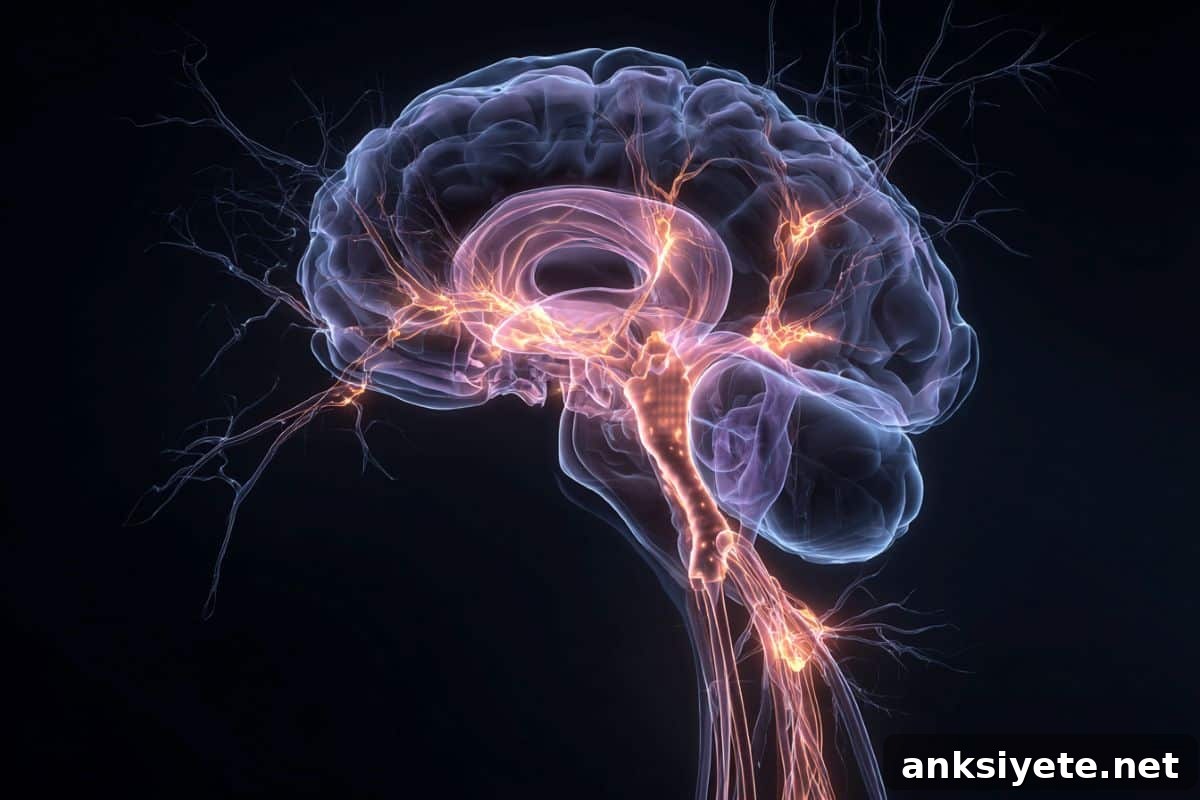
The teams traced how CCK acts: it is released by neurons in the ACC and travels to the lPAG, where it increases sensitivity to painful stimuli. In both contextual and social mouse models, this pathway was necessary and sufficient for nocebo hyperalgesia.
Negative expectation states were produced either by placing mice back into a location where they had previous painful experiences (without a new injury) or by letting them see another mouse in pain. With pharmacological agents, behavioral testing, and optogenetic control, researchers pinpointed the ACC→lPAG CCK pathway and demonstrated how manipulating it alters pain perception.
“CCK has long been associated with nocebo responses in humans, but our study reveals the specific circuit by which this neurochemical amplifies pain,” said Dr. Loren Martin, professor in the Department of Psychological and Brain Sciences at the University of Toronto Mississauga and a senior author on the study.
Clinicians have observed for years that fear, anxiety, and negative expectations can worsen symptoms and undermine treatment outcomes. This research clarifies the neural mechanisms that translate those psychological states into physiological pain amplification.
“Understanding the circuitry behind harmful anticipation could lead to interventions that reduce pain amplification in disorders where anxiety, anticipation, and negative expectations play a major role,” Martin added.
The work also carries implications for stigma surrounding chronic pain. By showing a concrete neural basis for nocebo-related pain amplification, the study supports the legitimacy of patients’ reported experiences and reframes some chronic pain as an actively generated biological response rather than imagined or exaggerated suffering.
Key Questions Answered:
A: Expectation-driven pain amplification is produced by a specific neural amplification loop. Anticipation based on fear, anxiety, or memory activates the ACC, which releases CCK. This chemical signal projects to the lPAG, a midbrain region that functions like a volume control for pain, increasing the body’s sensitivity and amplifying the perceived intensity of painful sensations.
A: Researchers at the University of Toronto Mississauga and McGill independently identified the same CCK-dependent ACC→lPAG pathway. Using optogenetics in mice experiencing anxiety from a painful memory or from observing another in pain, they switched the nocebo effect on and off, demonstrating that the phenomenon relies on a concrete biological circuit.
A: Isolating the CCK-mediated circuit gives researchers a focused target for developing therapies. Interventions that block or modulate this pathway could prevent anxiety and negative expectations from intensifying pain, potentially improving outcomes in conditions where anticipatory anxiety worsens symptoms.
Editorial Notes:
- This article was edited by a Neuroscience News editor.
- The journal paper was reviewed in full by the editorial team.
- Additional contextual information added by staff for clarity.
About this pain and neurology research news
Author: Julia Le
Source: University of Toronto
Contact: Julia Le – University of Toronto
Image: Image credited to Neuroscience News
Original Research: Open access. “Cholecystokinin input from the anterior cingulate cortex to the lateral periaqueductal gray mediates nocebo pain behavior in mice” by Sandra J. Poulson, Aleksandrina Skvortsova, Fatama Tuz Zahra, Damien C. Boorman, Seyed Asaad Karimi, Lisiê V. Paz, Wanning Cui, Antonietta Mandatori, Jacob Burek, Zahra Siddiqi, Maryam I. Fazili, Shivani R. Gami, Oakley B. Morgan, Mélanie Di Maria, Anton Dinh, Lianfang Liang, Robert Contofalsky, Jeffrey S. Mogil & Loren J. Martin. DOI: 10.1038/s41467-026-73266-y
Abstract
Cholecystokinin input from the anterior cingulate cortex to the lateral periaqueductal gray mediates nocebo pain behavior in mice
The nocebo effect — in which expectation of harm heightens pain and other symptoms — is increasingly recognized as a contributor to poor clinical outcomes. In humans, nocebo hyperalgesia (increased pain sensitivity) can be blocked by proglumide, a CCK receptor antagonist, but the neural circuitry behind nocebo hyperalgesia remained unclear due to a lack of suitable animal models.
This study developed distinct mouse models in which the expectation of pain was evoked by contextual or social cues and demonstrated a shared neural circuit: CCK release from ACC neurons projecting to the lPAG. This pathway represents a promising target for therapeutic intervention in pain-related disorders driven or worsened by negative expectations.