
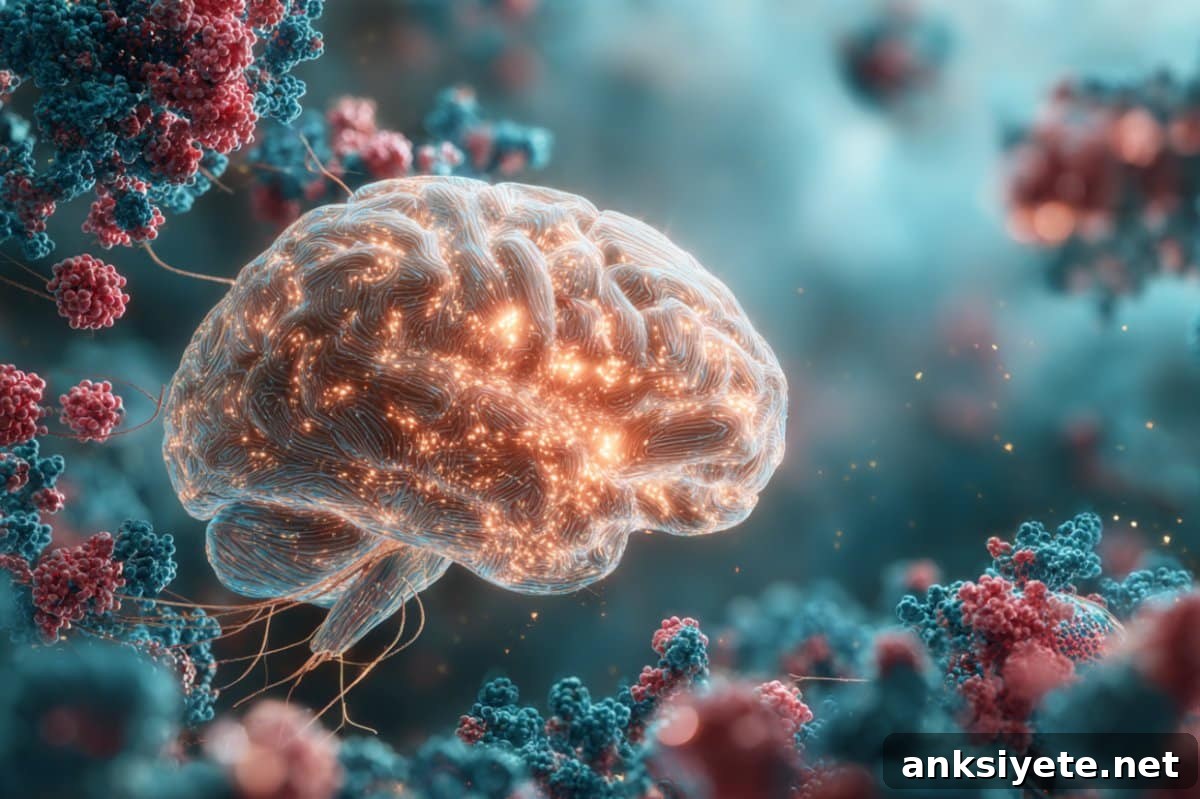
Summary: A new study links oxidative stress—an imbalance between damaging reactive molecules and the body’s antioxidant defenses—to abnormal repetitive behaviors (stereotypies) in mice. Researchers report that higher levels of oxidative stress biomarkers, including the antioxidant glutathione and several blood proteins, are associated with more severe repetitive behaviors in young mice. These biomarker profiles were consistent across mouse strains, pointing to a potentially robust biological connection and new avenues for early detection and intervention.
The research identifies candidate blood-based biomarkers and protein networks tied to oxidative stress and stereotypy severity. While findings raise the possibility that antioxidant-related therapies might help prevent or reduce repetitive behaviors, the authors stress the results are correlational and further work is required to test causality and clinical utility.
Key Facts
- REDOX connection: Measures related to oxidative stress, most notably plasma glutathione, correlated with the severity of repetitive behaviors in young mice.
- Developmental sensitivity: Associations were strongest in younger animals, suggesting an early-life window when REDOX imbalance may influence behavior.
- Translational promise: Several identified proteins are evolutionarily conserved and linked to neurodevelopmental disorders, indicating potential relevance for human conditions such as autism spectrum disorder and schizophrenia.
Source: PLOS
Overview of the study
Stereotypies are repetitive, seemingly purposeless behaviors observed across many species in captivity and are characteristic of several human neurodevelopmental and psychiatric disorders. Environmental stressors are known contributors, but the developmental biological mechanisms that drive stereotypies remain poorly understood. This study, led by Kendall Coden and Dr. Joseph Garner at Stanford University and published in PLOS One, explores whether REDOX imbalance—when antioxidant capacity fails to match oxidative demand—is linked to the emergence and severity of these behaviors.
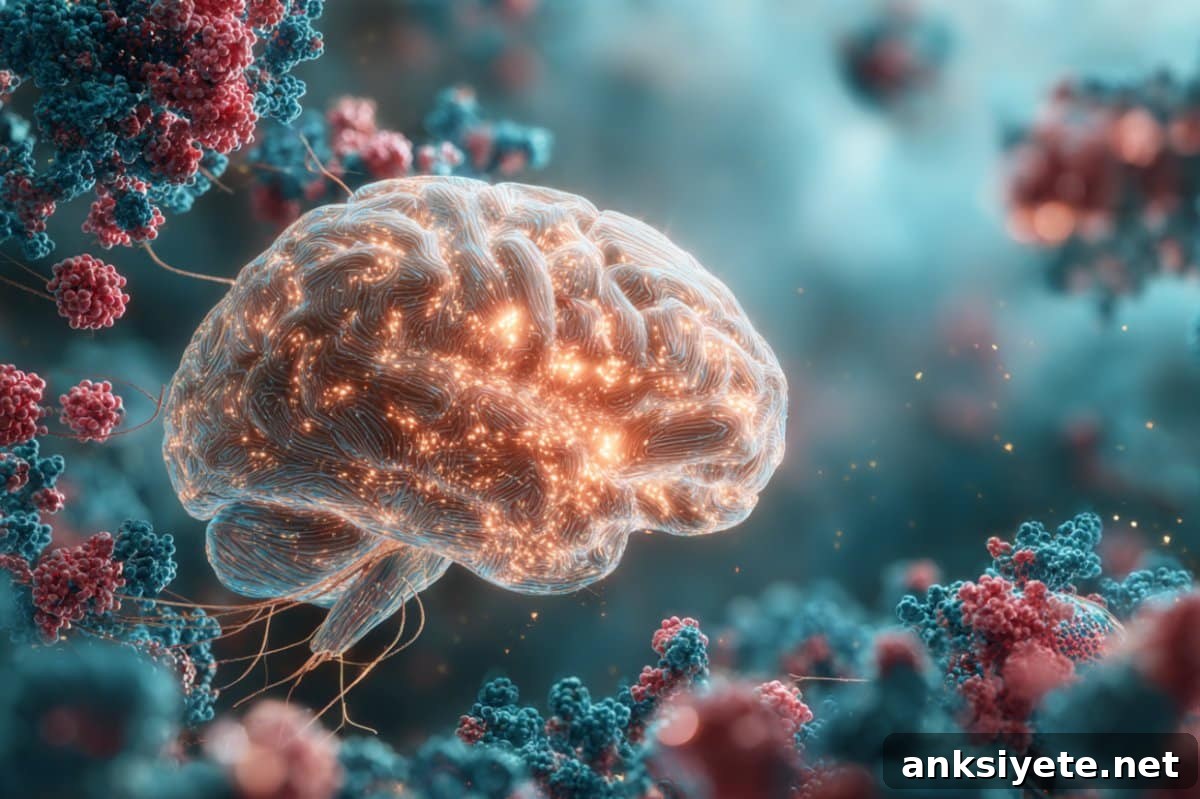
The team first measured plasma glutathione, a widely used indicator of oxidative stress, and compared it with observed stereotypy severity in a group of laboratory mice. They found that higher glutathione levels were associated with greater stereotypic behavior in young mice, whereas this relationship was not evident in older animals.
To broaden the search for blood-based indicators, the researchers applied a high-throughput proteomics platform to profile circulating proteins. This approach revealed sets of proteins whose expression correlated with glutathione levels and with stereotypy severity. Some protein–behavior associations were age-specific, appearing predominantly in young mice, while others were age-independent, implying multiple underlying mechanisms across the lifespan.
Importantly, the proteomic signatures identified in one strain of mice were validated in an independent cohort of a different strain, demonstrating that these biomarker patterns are reproducible and not strain-specific. The proteins implicated have known roles in REDOX biology, dopamine signaling, and pathways previously linked to neurodevelopmental conditions that present with repetitive behaviors.
Implications for research and treatment
Collectively, the findings implicate REDOX imbalance in the developmental pathophysiology of abnormal repetitive behaviors and point to measurable blood markers that could improve early risk detection. The conserved nature of several proteins identified raises the possibility of translational relevance to human clinical populations, where similar biomarkers might inform diagnosis or guide treatment strategies.
Nevertheless, the authors emphasize caution: because the study is observational, it cannot determine whether oxidative stress causes stereotypies or is an associated consequence. Experimental work that manipulates REDOX status and tests the effects on behavior, along with studies in other species, including humans, will be necessary to establish causal links and to evaluate antioxidant-based interventions.
The research team notes the longstanding puzzle that individuals with similar genetics and environments can show widely different levels of repetitive behavior. Identifying blood proteins and REDOX-related pathways that associate with risk and severity offers a promising new direction to explain this variability and to search for preventive or therapeutic strategies.
Funding: This project was supported by a Stanford Medicine Discovery Innovation Award to Dr. Joseph P. Garner. Funders had no role in the study’s design, data collection, analysis, decision to publish, or manuscript preparation.
Key Questions Answered:
A: In mice, abnormal repetitive behaviors were strongly associated with blood markers of oxidative stress, suggesting REDOX imbalance may play a role in the development of these behaviors.
A: REDOX imbalance occurs when antioxidants are insufficient to neutralize harmful reactive molecules, producing oxidative stress that can affect brain development and behavior.
A: Several proteins identified are evolutionarily conserved and linked to neurodevelopmental disorders. These biomarkers could eventually inform early detection, risk prediction, or the development of targeted therapies for conditions that feature repetitive behaviors.
About this ASD and behavioral neuroscience research news
Author: Hanna Abdallah
Source: PLOS
Contact: Hanna Abdallah – PLOS
Image: Image credited to Neuroscience News
Original Research: Open access. Title: “Stereotypy is strongly linked to multiple biomarkers of oxidative stress—A potential common etiology for Abnormal Repetitive Behaviors” by Kendall Coden et al., PLOS ONE.
Abstract
Stereotypy is strongly linked to multiple biomarkers of oxidative stress—A potential common etiology for Abnormal Repetitive Behaviors
Spontaneous stereotypies—repetitive, apparently purposeless behaviors observed in captive animals—resemble symptoms seen in human neurodevelopmental disorders and show parallels in underlying cortico-striatal dysfunction. Environmental contributors to stereotypy are well documented, but the developmental biology that gives rise to these behaviors remains unclear. Prior work has implicated REDOX imbalance in related compulsive behaviors, prompting investigation into whether oxidative stress contributes to stereotypy.
The study measured plasma glutathione in a cohort of mice and found that glutathione levels predicted stereotypy severity in young animals. A proteomics analysis then identified multiple circulating proteins correlated with glutathione and with behavioral severity, some of which replicated in a validation cohort of a different mouse strain. These proteins relate to REDOX physiology, dopamine signaling, and disorders that present with repetitive behaviors, supporting a role for oxidative stress in developmental pathophysiology and highlighting candidate targets for future intervention.