
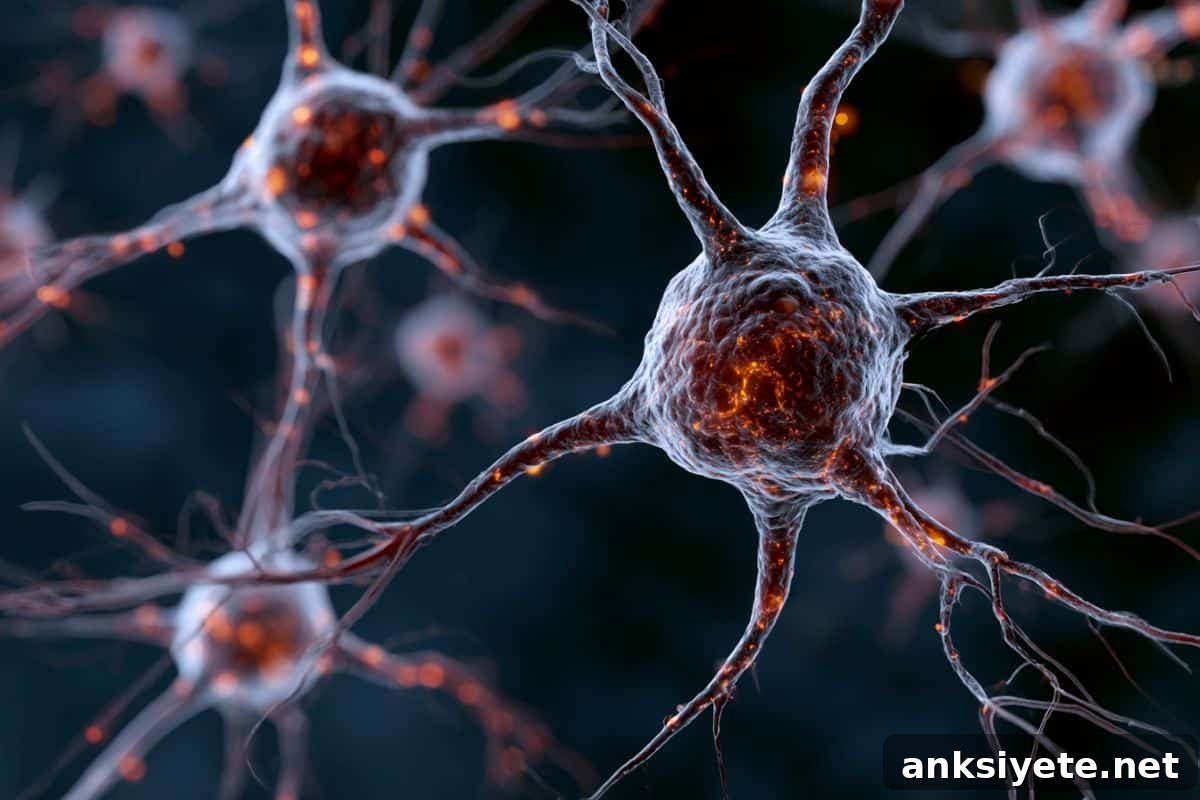
Summary: New research from King’s College London reveals that exposure of human hippocampal stem cells to inflammatory signaling molecules halts the production of new neurons. Rather than simply being damaged or dying, these neural stem cells switch into an immune-alert state that promotes local neuroinflammation and suppresses neurogenesis—an effect driven by Type I Interferon signaling and reversible with an antibody that blocks that pathway.
Key Facts
- The Cytokine Intrusion: Cytokines are signaling proteins released during immune responses, including severe viral infections. While short-lived cytokine responses are protective, prolonged elevations mark chronic inflammation and can reach the brain’s hippocampus, a region critical for learning, memory and mood.
- The TNF-α Standstill: When researchers treated human hippocampal progenitor cells with the pro-inflammatory cytokine Tumor Necrosis Factor alpha (TNF-α), the cells stopped differentiating into mature neurons—the neurogenic pipeline stalled.
- The “Immune Alert” Takeover: Instead of passively failing, the stem cells adopted an active immune-supportive phenotype. They produced chemokines and other signals that can recruit inflammatory T cells into hippocampal tissue, shifting from regeneration to immune defense.
- The Type I Interferon Route: Molecular analysis showed this change was driven by a Type I Interferon signaling loop within the progenitor cells—molecules normally associated with antiviral defense that here suppress neurogenesis.
- Reversing the Effect: Blocking Type I Interferon signaling with an existing therapeutic antibody reversed the changes: T cell recruitment was reduced and the stem cells’ ability to generate new neurons was restored.
- Clinical Relevance: The findings offer a plausible mechanism linking chronic inflammation to cognitive decline, brain fog, mood disorders and the neurological aftereffects of infections, and point to potential therapeutic targets to preserve or restore hippocampal neurogenesis.
Source: King’s College London
This King’s College London study, published in Nature Communications, clarifies how sustained inflammation can impair adult hippocampal neurogenesis and contribute to cognitive decline in conditions such as ageing, Alzheimer’s disease, depression and post-infectious syndromes.
Adult hippocampal neurogenesis—the production of new neurons in the hippocampus—supports learning, memory consolidation and mood regulation. Disruption of this process has been associated with ageing, neurodegenerative disorders and mood conditions like depression. The new study shows that inflammatory signaling alone can redirect the fate of human hippocampal progenitor cells away from neuronal development and toward an immune-defensive program.
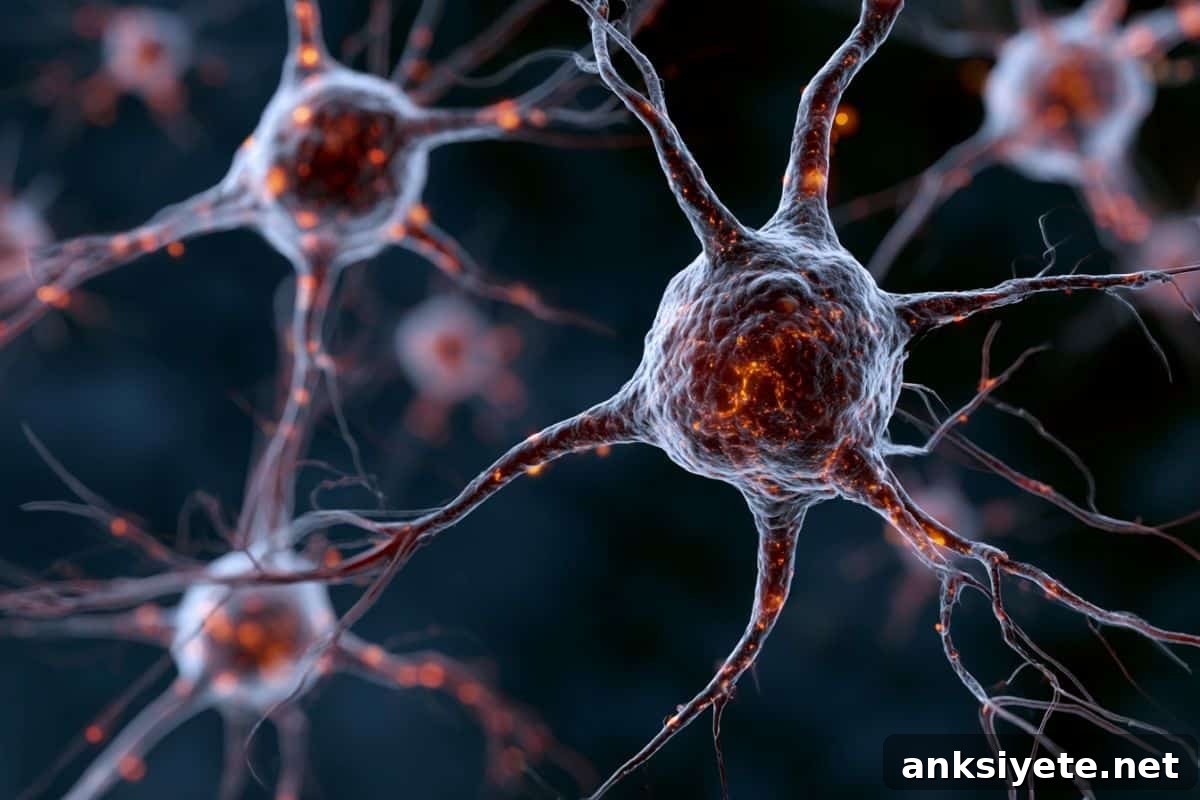
The research team focused on cytokines, chemical messengers that orchestrate immune defenses during infection. Although transient cytokine activity clears pathogens, persistent cytokine elevation can produce damaging chronic inflammation. Prior studies linked infections to altered hippocampal neurogenesis, but the cellular and molecular steps were unclear until now.
Using a human in vitro model of hippocampal neurogenesis derived from female tissue, single-cell RNA sequencing and functional assays, the investigators found that TNF-α provokes a robust Type I Interferon response in progenitor cells. That response drives chemokine production and CXC motif chemokine receptor 3–dependent recruitment of T cells while suppressing neuronal differentiation, effectively switching progenitors from a neurogenic to an immune-supportive state.
Dr Tinne A. D. Nissen, first author of the study, noted that the most unexpected finding was the active role stem cells take on during inflammation: they are not merely impaired but change behavior to sustain immune responses within the brain.
Professor Sandrine Thuret, co-corresponding author and Professor of Neuroscience at King’s College London, emphasized that inflammatory signals can reroute hippocampal stem cells away from their standard regenerative role toward supporting immune activity—providing a clear link between chronic inflammation and reduced neurogenesis.
Importantly, the team demonstrated that blocking Type I Interferon signaling with an existing therapeutic antibody restored neuronal production and prevented the chemokine-driven recruitment of inflammatory T cells. This finding highlights a promising therapeutic avenue to preserve or recover neurogenic capacity in chronic inflammatory states affecting the brain.
Professor Linda S. Klavinskis, co-corresponding author and Professor of Viral Immunology, added that the work reveals a previously unrecognised mechanism explaining how ongoing inflammation undermines brain health and points to potential treatments to protect the brain’s regenerative ability.
The project was a collaborative effort between the Department of Infectious Diseases, Faculty of Life Sciences & Medicine, and the Department of Basic and Clinical Neuroscience at the Institute of Psychiatry, Psychology & Neuroscience, King’s College London.
Funding: Support for this research came from the Wellcome Trust (Neuro-Immune Interactions in Health & Disease PhD Programme), the Medical Research Council UK, the Galen and Hilary Weston Foundation, and the NIHR Biomedical Research Centre at Guy’s and St Thomas’ NHS Foundation Trust and King’s College London.
Key Questions Answered:
A: During infection, the immune system releases cytokines like TNF-α. If cytokine levels stay elevated, they can influence the hippocampus. This study shows that chronic inflammatory signals derail hippocampal stem cells, stopping them from producing new neurons and contributing to cognitive symptoms often described as brain fog.
A: Rather than dying, the stem cells shift into an immune-alert state: they secrete chemokines and signals that attract T cells, promoting local inflammation and abandoning their normal role in generating new neurons.
A: In the laboratory model, blocking Type I Interferon signaling with an existing therapeutic antibody reversed the inflammatory switch, prevented T cell recruitment and restored neurogenesis. These results point to a potential path for treatments aimed at recovering cognitive function affected by chronic inflammation.
Editorial Notes:
- This article was edited by a Neuroscience News editor.
- The journal paper was reviewed in full by editorial staff.
- Additional context and explanation were added for clarity.
About this neurogenesis research news
Author: Annie Slinn
Source: King’s College London
Contact: Annie Slinn – King’s College London
Image: Image credit: Neuroscience News
Original Research: Open access. “TNF-α induces type I IFN signalling to suppress neurogenesis and recruit T cells” by Tinne A. D. Nissen et al., Nature Communications. DOI: 10.1038/s41467-026-74104-x
Abstract
TNF-α induces type I IFN signalling to suppress neurogenesis and recruit T cells
Adult hippocampal neurogenesis supports learning, memory and mood regulation, and its disruption is implicated in ageing, neurodegeneration and mood disorders. The mechanisms linking chronic inflammation to impaired neurogenesis have been unclear.
This study identifies chronic TNF-α signaling as a driver of neurogenic dysregulation through a previously unrecognised Type I Interferon autocrine/paracrine loop in human hippocampal progenitor cells. Using a human in vitro model, single-cell transcriptomics and functional T cell migration assays, the researchers show that TNF-α induces a strong Type I Interferon response that promotes chemokine-mediated, CXCR3-dependent T cell recruitment while suppressing neuronal differentiation.
The inflammatory cascade causes hippocampal progenitors to switch fate from a neurogenic trajectory to an immune-defensive phenotype, with implications for infectious and inflammatory disease pathogenesis. These findings reveal a crucial inflammatory checkpoint controlling human adult hippocampal neurogenesis and point to therapeutic targets for restoring neurogenesis in chronic inflammatory conditions.