
Brain Cells That Control Appetite Identified: Tanycytes Sense Amino Acids and Signal Satiety
Summary: Researchers at the University of Warwick have discovered that tanycytes — specialized cells in the hypothalamus — detect amino acids from food and relay satiety signals directly to the brain. Foods rich in certain amino acids, such as chicken, lentils and avocados, activate these cells and can help produce a feeling of fullness more quickly.
Source: University of Warwick
Key finding: Dieting and appetite control could be transformed by a new understanding of tanycytes, the brain cells that respond to dietary amino acids and communicate with appetite-regulating centers.
Professor Nicholas Dale from the School of Life Sciences at the University of Warwick identified for the first time that tanycytes — glial-like cells lining the third ventricle in the hypothalamus — are able to sense amino acids present in the cerebrospinal fluid after a meal. These cells use the same molecular receptors that detect the “umami” taste in the tongue, allowing them to respond directly to nutrient signals and inform brain regions that regulate hunger and body weight.
The study highlights two amino acids in particular, arginine and lysine, which strongly activate tanycytes. These amino acids are abundant in various foods, including pork shoulder, beef sirloin, chicken, mackerel, plums, apricots, avocados, lentils and almonds. Consuming foods high in these amino acids can stimulate tanycytes and contribute to feeling full sooner after eating.
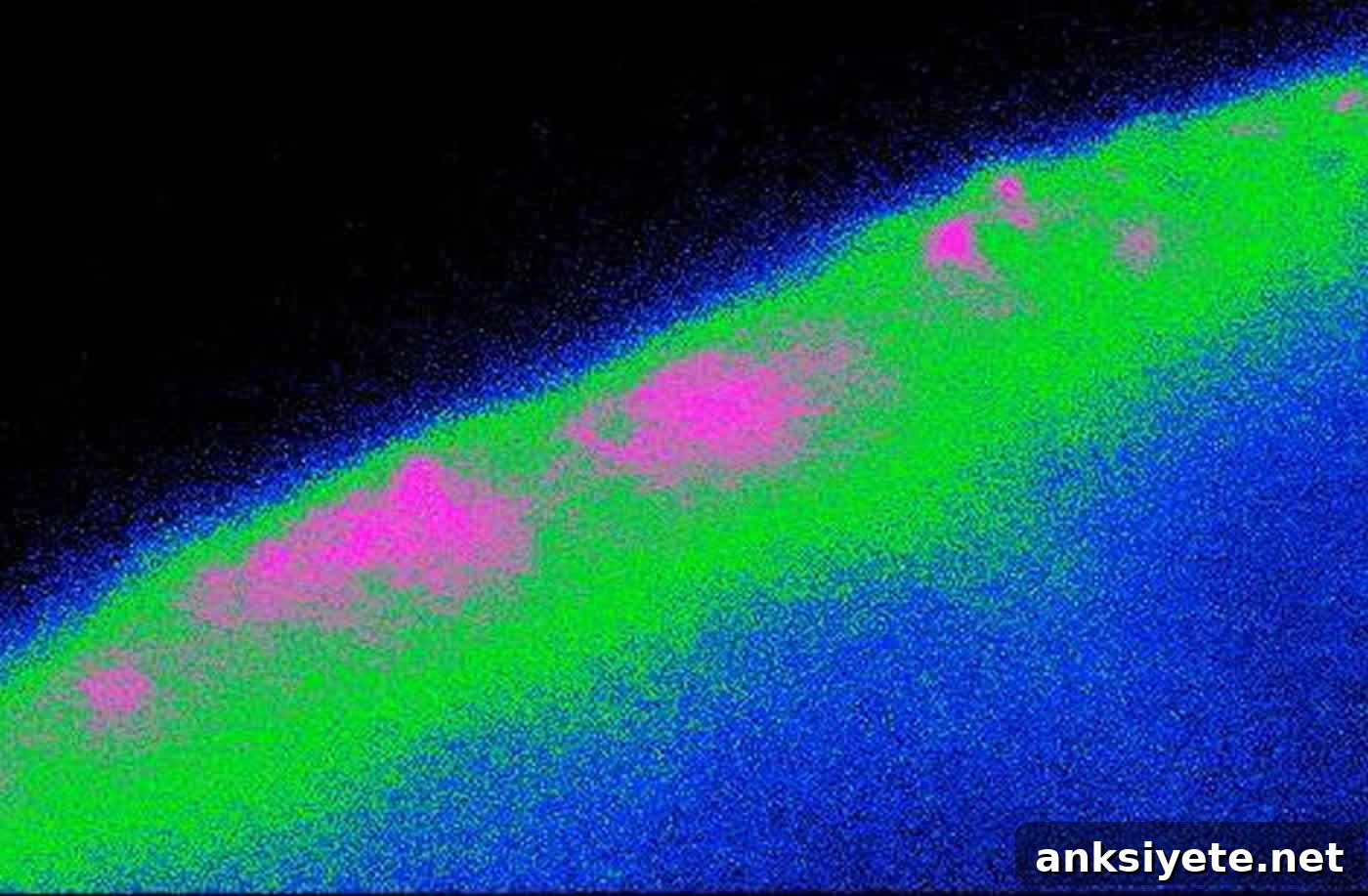
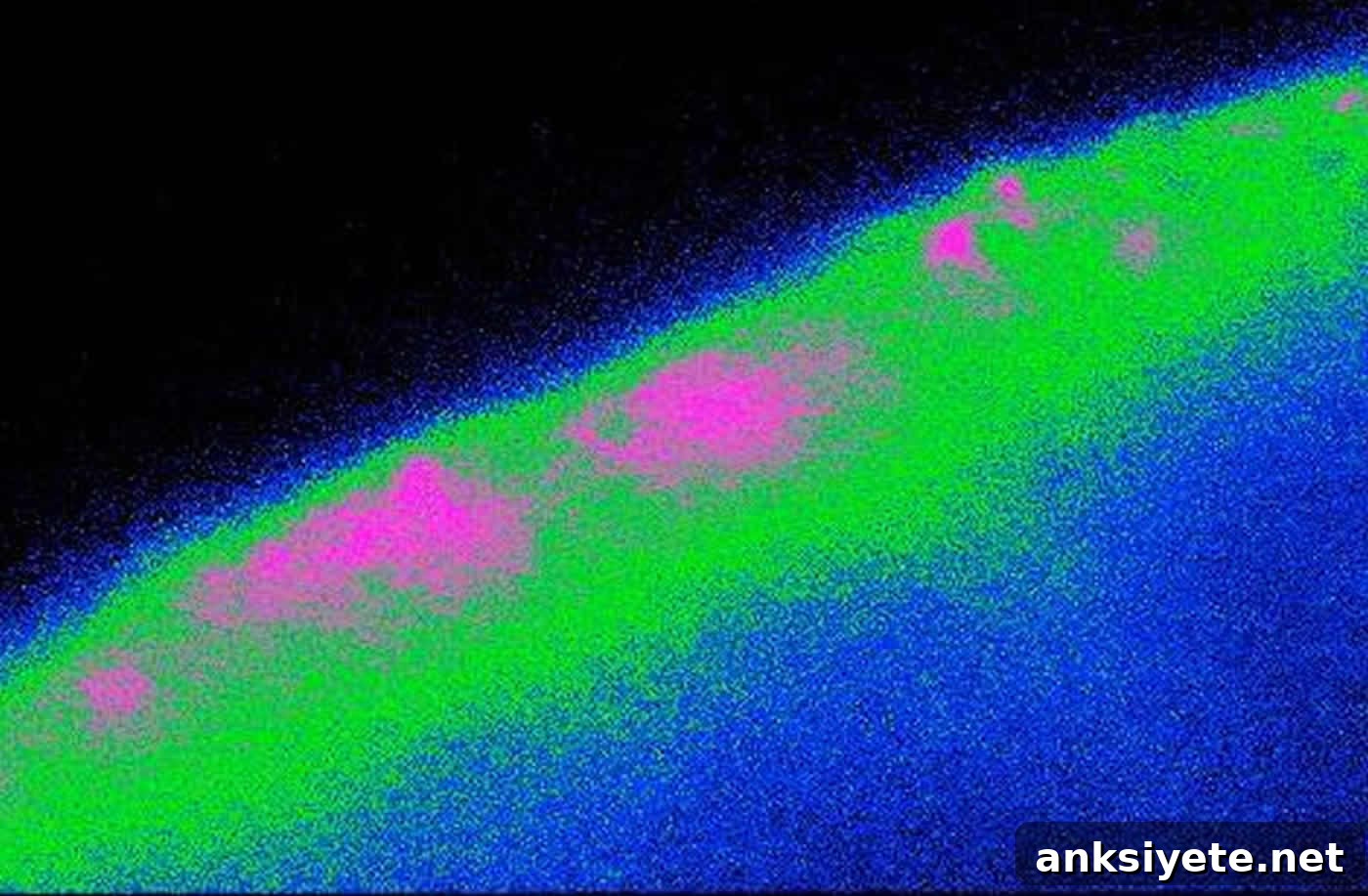
To reach these conclusions, researchers applied concentrated arginine and lysine to brain tissue in which tanycytes had been made fluorescent, enabling real-time visualization of cellular responses. Within about thirty seconds, tanycytes detected the amino acids and released signals toward hypothalamic centers that influence appetite and energy balance.
Further experiments showed that blocking or removing umami taste receptors prevented the tanycyte responses to amino acids, confirming these receptors are central to the sensing mechanism. The findings indicate that tanycytes detect amino acids via the Tas1r1/Tas1r3 taste receptor complex and through metabotropic glutamate receptor subtype mGluR4, both previously associated with taste cells.
Professor Nicholas Dale, Ted Pridgeon Professor of Neuroscience at the University of Warwick, commented: “Amino acid levels in blood and brain after a meal are an important signal in generating the sensation of fullness. That tanycytes, situated at the centre of the brain region controlling body weight, directly sense amino acids has significant implications for developing new strategies to help people maintain a healthy body weight.”
These results open several possibilities: refining dietary advice to favor foods that efficiently activate tanycytes, designing diets that enhance satiety through targeted amino acid composition, and, in the longer term, exploring treatments that modulate tanycyte activity to suppress appetite by acting centrally rather than through the digestive system.
Addressing appetite at the level of tanycyte signaling may be particularly relevant given the high prevalence of overweight and obesity. In the UK, nearly two thirds of the population are overweight or obese, a condition that raises the risk of premature death and a range of chronic diseases such as cancer, type 2 diabetes, cardiovascular disease and stroke. A clearer understanding of how the brain senses nutrients and regulates hunger could contribute to public health strategies and therapeutic approaches aimed at curbing the obesity epidemic.
Funding: Biotechnology and Biological Sciences Research Council
Source and contact: University of Warwick (Luke Walton)
Image credit: Professor Nicholas Dale / Greta Lazutkaite
Title: Amino acid sensing in hypothalamic tanycytes via umami taste receptors
Objective: Tanycytes are glial cells lining the third ventricle that contact the cerebrospinal fluid (CSF). While they were known to detect glucose, this study demonstrates that tanycytes also detect amino acids — important nutrients that signal satiety.
Methods: The researchers used calcium imaging and ATP biosensing to measure tanycyte responses to L-amino acids. They probed downstream signaling using ATP receptor antagonists and channel blockers, and characterized receptors with mice lacking the Tas1r1 gene and using an mGluR4 antagonist.
Results: Amino acids such as arginine, lysine and alanine evoke calcium signals in tanycytes and trigger ATP release through pannexin 1 and CalHM1 channels, amplifying the response via P2 receptors. Tanycytes from mice lacking Tas1r1 showed reduced responses to lysine and arginine but not alanine. Blocking mGluR4 substantially reduced responses to alanine and lysine, indicating that both Tas1r1/Tas1r3 and mGluR4 contribute to amino acid detection.
Conclusion: Two receptors known from taste cells, the Tas1r1/Tas1r3 heterodimer and mGluR4, mediate tanycyte detection of a range of amino acids in the CSF, linking nutrient sensing directly to hypothalamic circuits that control appetite and energy balance.
Citation: Greta Lazutkaite, Alice Soldà, Kristina Lossow, Wolfgang Meyerhof, and Nicholas Dale. “Amino acid sensing in hypothalamic tanycytes via umami taste receptors.” Molecular Metabolism. Published online September 13, 2017.