
Summary: A recent study reports that SARS-CoV-2 can infect midbrain dopamine neurons and trigger cellular senescence, a state in which cells stop dividing and lose normal function. This response in dopaminergic neurons may help explain some persistent neurological symptoms seen after COVID-19 infection—commonly described as long COVID—including brain fog, fatigue and depression. The finding emerged when researchers examined how different human cell types respond to infection and discovered a unique senescence pathway activation only in dopamine neurons.
Key Facts:
- About 5% of human dopamine neurons exposed to SARS-CoV-2 were infected in the laboratory model; these infected cells showed signs of senescence and released inflammatory signals that could contribute to neurological symptoms in long COVID.
- Researchers generated multiple human cell types from pluripotent stem cells and found that the senescence response to SARS-CoV-2 was specific to dopamine neurons and not observed in other tested cell types such as cortical neurons, lung organoids, pancreatic cells, liver organoids or heart cells.
- A drug screen identified three FDA-approved medications—riluzole, metformin and imatinib—that reduced infection or rescued infected dopamine neurons from senescence, suggesting potential avenues for neuroprotective strategies that merit further study.
Source: Weill Cornell University
Overview
A collaborative team from Weill Cornell Medicine, Memorial Sloan Kettering Cancer Center and Columbia University examined how SARS-CoV-2 interacts with different human cell types. Using dopamine neurons derived from human pluripotent stem cells and tissue samples from COVID-19 autopsies, the group discovered that a subset of midbrain dopaminergic neurons is susceptible to infection. Infected dopamine neurons adopted a cellular senescence program and produced inflammatory signals, while neighboring uninfected cell types did not show the same response under identical experimental conditions.
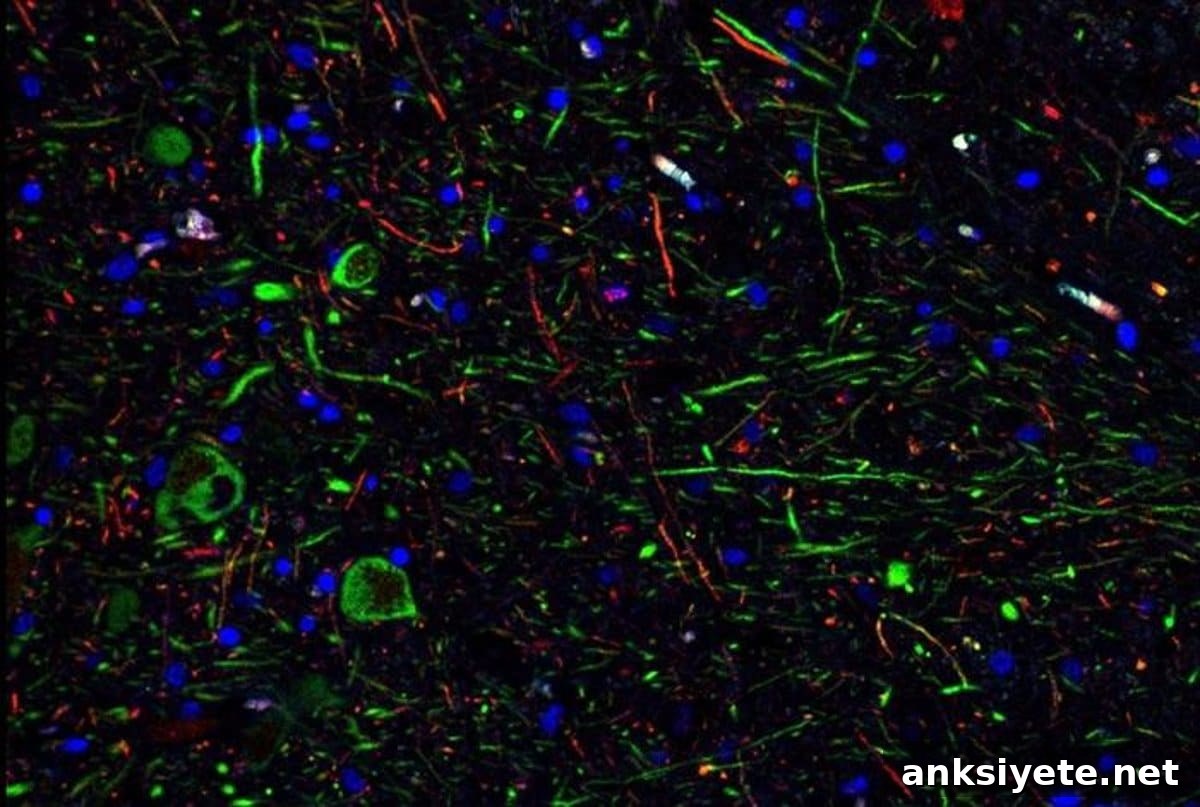
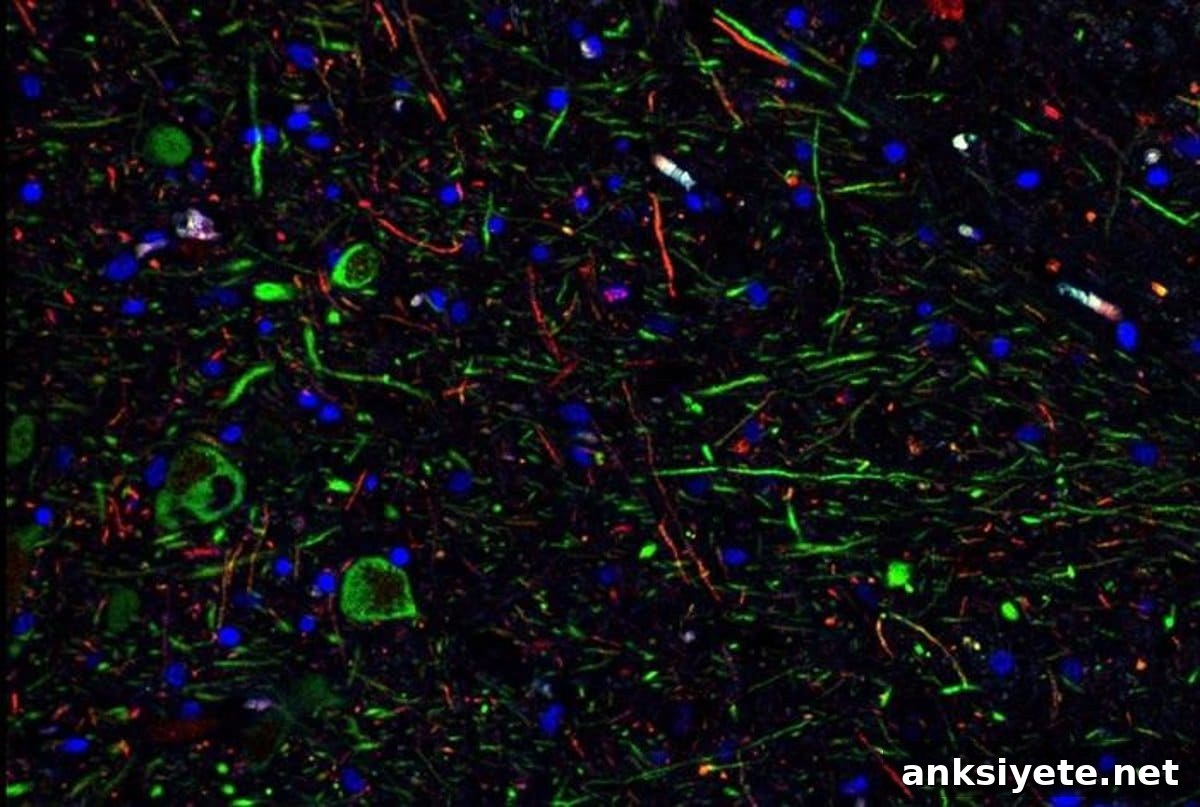
Dopamine neurons play essential roles in reward, motivation, movement and mood by producing the neurotransmitter dopamine. Damage or loss of these neurons is also associated with Parkinson’s disease. The study’s findings, published in Cell Stem Cell on Jan. 17, show that SARS-CoV-2 infection can cause these neurons to stop functioning and to emit pro-inflammatory signals, raising questions about potential long-term neurological effects after infection.
Determining How SARS-CoV-2 Impacts Different Cells
The researchers generated diverse human cell types from pluripotent stem cells—including lung, heart, pancreatic and neuronal cells—to map which tissues can be infected and how they respond. They then compared those laboratory results with analyses of brain tissue from patients who died with COVID-19. While lung cells remain the primary and most permissive target for SARS-CoV-2, a small but consistent fraction of dopamine neurons (around five percent) became infected in vitro. Although the infected fraction was modest, the downstream senescence and inflammatory response could have amplified effects in the brain.
Notably, cortical neurons tested in parallel did not permit productive infection under the same conditions, indicating a selective vulnerability of midbrain dopaminergic neurons to this virus.
Protecting Dopamine Neurons
To understand how infection reprograms neurons, the team used transcriptional profiling to identify gene expression changes following SARS-CoV-2 exposure. The transcriptional signature in infected lab-grown dopamine neurons matched signatures found in substantia nigra tissue from COVID-19 autopsies, confirming the relevance of the stem cell model.
A high-throughput drug screen focused on FDA-approved compounds uncovered three agents—riluzole (used in ALS), metformin (used for diabetes), and imatinib (used for certain cancers)—that reduced viral infection of dopamine neurons or prevented the onset of the senescence program. These drugs represent starting points for further preclinical and clinical investigation into strategies that might protect the brain during or after SARS-CoV-2 infection.
The authors caution that many factors influence an individual’s risk for neurological complications after COVID-19, including disease severity and genetics. Population-level studies will be necessary to determine how these cellular findings translate into clinical risk. Although dopamine neuron senescence is characteristic of Parkinson’s disease, population data so far do not show a large increase in Parkinson’s diagnoses attributable to COVID-19; nonetheless, the researchers recommend careful, long-term neurological monitoring for people recovering from infection.
This study represents a multi-institutional collaboration involving experts in stem cell biology, infectious disease and neurology and highlights both a selective vulnerability of midbrain dopaminergic neurons to SARS-CoV-2 and candidate drugs that may mitigate neuronal injury.
About this neurology and COVID-19 research news
Author: Barbara Prempeh
Source: Weill Cornell University
Contact: Barbara Prempeh – Weill Cornell University
Image: Image credited to Liuliu Yang
Original Research: Open access. “SARS-CoV-2 infection causes dopaminergic neuron senescence” by Shuibing Chen et al., Cell Stem Cell
Abstract
SARS-CoV-2 infection causes dopaminergic neuron senescence
Highlights
- Human pluripotent stem cell–derived dopamine (DA) neurons are susceptible to SARS-CoV-2 infection.
- SARS-CoV-2 infection of DA neurons triggers an inflammatory and cellular senescence response.
- Several FDA-approved drugs were identified that can prevent infection or rescue infected DA neurons from senescence.
- Signatures of cellular senescence and inflammation were detected in substantia nigra tissue from COVID-19 patients.
Summary
Neurological symptoms affecting the central and peripheral nervous systems are common in people with COVID-19. This study demonstrates that midbrain dopamine neurons derived from human pluripotent stem cells are selectively permissive to SARS-CoV-2 and, when infected, mount an inflammatory and cellular senescence program. High-throughput screening identified FDA-approved drugs that can prevent infection or reverse the senescence phenotype in vitro. Autopsy analyses revealed matching gene signatures and low levels of viral transcripts in substantia nigra tissue from COVID-19 patients, along with reduced markers of dopaminergic neurons in severe cases. These findings emphasize the need for continued monitoring of neurological outcomes after SARS-CoV-2 infection and support further exploration of neuroprotective treatments.