University of Leicester researchers undertake revolutionary treatment of a condition that has reached ‘epidemic proportions’.
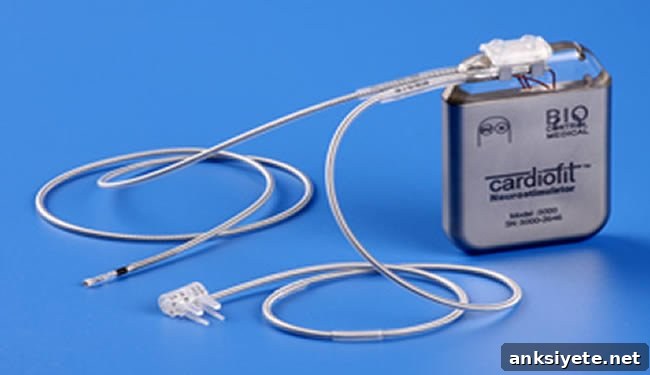
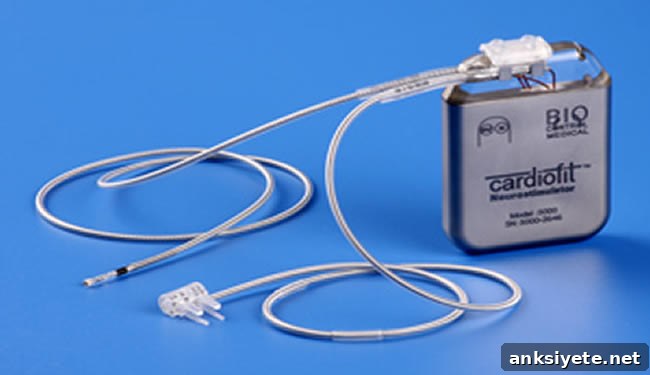
Researchers at the University of Leicester announced that the first UK operation using a novel nerve-stimulating implant to treat heart failure (HF) will take place today (Thursday, August 23) at Glenfield Hospital. The procedure is part of an international clinical trial, INOVATE-HF, which is testing the CardioFit system—an implantable device that stimulates the vagus nerve to restore autonomic balance and potentially improve heart function.
The INOVATE-HF study is designed to evaluate the safety and effectiveness of CardioFit in patients with chronic heart failure. It aims to determine whether vagus nerve stimulation can reduce hospitalizations and mortality, and whether combining the device with standard pharmaceutical therapies provides superior outcomes compared with drug therapy alone. By enrolling patients across multiple centres, the trial seeks robust evidence on clinical benefit, quality of life and functional capacity for people living with HF.
The National Institute for Health Research (NIHR) Leicester Cardiovascular Biomedical Research Unit is the first UK site to recruit patients into INOVATE-HF. The trial’s principal investigator at the Leicester site is Dr. André Ng, senior lecturer in cardiology at the University of Leicester and consultant cardiologist at Glenfield Hospital. Dr. Ng has previously led pioneering procedures, including the world’s first remote heart intervention using robotic assistance combined with 3-D mapping.
“Our goal with INOVATE-HF is to assess the safety of CardioFit and its potential to improve heart performance in patients with heart failure, enhancing both quality of life and long-term survival,” said Dr. Ng. “If the study confirms our hypothesis, this therapy could transform heart failure treatment and provide a meaningful complement to conventional medication.”
Heart failure is a progressive and common condition in which the heart’s pumping ability is reduced, causing symptoms such as breathlessness, fatigue and diminished exercise tolerance. HF carries a heightened risk of sudden cardiac death due to life-threatening rhythm disturbances and places a heavy burden on healthcare systems because of frequent hospital admissions and long-term management needs.
One key factor in HF progression is imbalance in the autonomic nervous system. In many patients, sympathetic (stress) activity predominates while parasympathetic (rest-and-digest) influence is diminished. CardioFit is designed to counteract this imbalance by selectively activating the parasympathetic pathways through stimulation of the right vagus nerve in the neck. The intended effect is to reduce undue cardiac stress, slow the deterioration of heart function, and relieve symptoms associated with HF.
Pre-clinical studies and initial clinical work suggest vagus nerve stimulation may improve heart structure and function, enhance heart rate variability and reduce resting heart rate. A multi-centre pilot trial involving 32 patients across Germany, Italy, The Netherlands and Serbia reported improvements in left ventricular function, exercise capacity and patient-reported quality of life. The INOVATE-HF trial will expand this research, enrolling more than 600 patients at up to 80 centres worldwide to provide a comprehensive assessment of clinical benefits and safety for adults with persistent HF symptoms despite optimal medical therapy.
“This trial represents translational research at its best: years of laboratory discovery are now being tested in patients to see whether vagus nerve stimulation can become a viable therapeutic option for heart failure,” Dr. Ng added. The University of Leicester team has pursued research into autonomic modulation and cardiac function for nearly 15 years, contributing to the scientific foundation behind this investigational approach.
Professor Huon Gray, Interim National Clinical Director for Cardiovascular Disease, commented: “Heart failure can have a devastating impact on people’s lives, so any potentially effective new treatment is welcome. Although deaths from heart disease have fallen substantially over recent decades, cardiovascular disease remains a leading cause of death and disability. Continued innovation and rigorous clinical trials are essential to improve outcomes for patients with heart failure.”
Notes about this medical research
The INOVATE-HF study team at the University of Leicester includes Matt Bown, senior lecturer in vascular surgery; Iain Squire, professor in cardiovascular medicine; Kieran Brack, BHF intermediate basic science research fellow and research coordinator for the trial; together with other clinicians and research staff at University Hospitals of Leicester. The study is sponsored by BioControl Medical, the developer of the CardioFit device.
This research was supported by the National Institute for Health Research (NIHR). The views expressed in this release are those of the investigators and do not necessarily reflect the views of the NHS, the NIHR or the Department of Health.
Contacts: Ather Mirza, University of Leicester press office; Peter Thorley, University of Leicester press office
Source: University of Leicester press release
Image Source: CardioFit image adapted from the University of Leicester press release image
Original research: This clinical research forms part of the international INOVATE-HF trial evaluating vagus nerve stimulation with the CardioFit system in patients with heart failure.