
LA BioMed researcher says study identified new potential site for medications to target.
Summary
Researchers at the Los Angeles Biomedical Research Institute at Harbor-UCLA Medical Center (LA BioMed) report a promising avenue for new therapies to treat status epilepticus — the prolonged, life‑threatening seizures that can cause extensive brain damage. Their study finds that NMDA receptors, a key molecular regulator of synaptic activity and memory function, relocate to the surface of neurons during persistent seizures, increasing neuronal excitability and opening a potential target for drug intervention.
Key findings
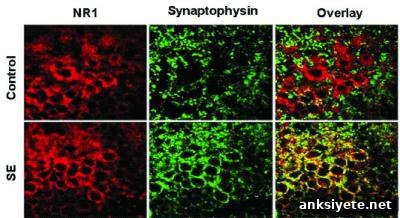
Using animal models to examine cellular changes during status epilepticus, the research team observed a substantial increase in NMDA receptors at the neuron surface. This redistribution elevated receptor activity by about 38%, suggesting that surface‑accumulated NMDA receptors contribute directly to the heightened glutamatergic excitation seen during prolonged seizures.
“Despite the development of new medications to prevent seizures, status epilepticus remains a life‑threatening condition that can cause extensive brain damage in the patients that survive these persistent seizures,” said David E. Naylor, MD, PhD, a lead researcher at LA BioMed and the corresponding author of the study. “Our research holds promise for the development of new therapies to treat this devastating condition because we have found a potential new target for medical intervention that should bolster the current standard therapies to treat the acute seizures. It may also prevent the long‑term adverse effects of persistent seizure activity on the brain.”
What NMDA receptors do and why this matters
NMDA receptors play a central role in excitatory synaptic transmission and are critical to learning and memory. When these receptors accumulate on the cell membrane, they become more available to mediate excitatory signaling. The study’s demonstration that seizures drive NMDA receptors to the cell surface helps explain why NMDA receptor antagonists — drugs that block or reduce receptor activity — can sometimes succeed when other treatments fail, particularly in later stages of prolonged seizures.
Dr. Naylor noted, “The increased presence of the NMDA receptors on the cell surface during these seizures may explain the successful use of NMDA antagonists — medication that inhibits the activity of the NMDA receptors in the brain — in the latter stages of a seizure, long after other medications have stopped working. We concluded that medications that suppress the activity of the NMDA receptors, in conjunction with other medications, may be successful in stopping persistent seizures. Further research is, of course, needed.”
Implications for treatment and future research
The study highlights a clear molecular target that could enhance current treatment strategies for status epilepticus. By designing or repurposing drugs that specifically antagonize NMDA receptors at the cell surface, clinicians may gain a more effective option for stopping persistent seizures and possibly reducing the long‑term consequences of sustained excitatory activity on the brain.
These findings are preliminary and based on controlled animal experiments. Translating them into safe, effective human treatments will require extensive follow‑up studies, including pharmacological testing, safety evaluations, and carefully designed clinical trials.
Study authors, funding and publication
The research team included David E. Naylor, MD, PhD (LA BioMed), Hantao Liu (Veterans Administration Greater Los Angeles County Healthcare System, Department of Neurology), and Jerome Niquet and Claude G. Wasterlain (David Geffen School of Medicine, UCLA Department of Neurology). The work was funded by LA BioMed and supported in part by a Veterans Administration Career Development Award.
The study was reported online in the journal Neurobiology of Disease as “Rapid surface accumulation of NMDA receptors increases glutamatergic excitation during status epilepticus,” authored by David E. Naylor, Hantao Liu, Jerome Niquet, and Claude G. Wasterlain. Abstract and highlights were posted online January 8, 2013 (doi: 10.1016/j.nbd.2012.12.015).
Contact
Contact: Laura Mecoy – LA BioMed
Source: Los Angeles Biomedical Research Institute at Harbor-UCLA Medical Center (LA BioMed)
Image Source: NMDA receptors image credited to Dr. David E. Naylor, LA BioMed. This image accompanies the research article and has no usage restrictions.