
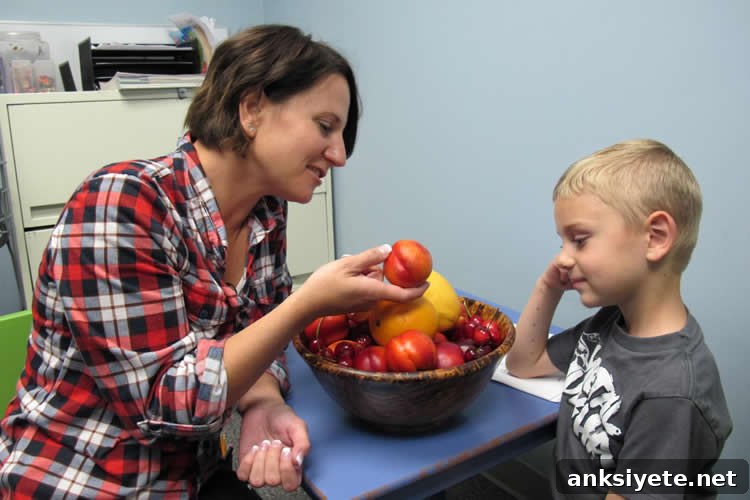
Summary: Researchers found that children whose mothers ate more fruit during pregnancy scored higher on cognitive development tests at one year of age.
Source: University of Alberta
UAlberta Study Finds Prenatal Fruit Consumption Linked to Better Infant Cognitive Development
New research from the University of Alberta suggests that eating more fruit during pregnancy may improve early cognitive outcomes in children. The study, published in EBioMedicine, analyzed data from a large Canadian birth cohort and validated the findings in an animal model, indicating a potential prenatal nutritional influence on infant cognition.
Study overview and key findings
Researchers used data from the Canadian Healthy Infant Longitudinal Development (CHILD) Study, a national birth cohort that follows thousands of Canadian families. The Edmonton sub-cohort included 808 eligible subjects, of whom 688 (85%) had one-year cognitive outcome data available for analysis. After adjusting for factors known to influence development—such as family income, parental education and gestational age—the team observed a consistent association between maternal fruit intake during pregnancy and infant cognitive scores at one year.
Quantitatively, each additional daily serving of fruit (including 100% fruit juice) consumed by the mother during pregnancy was associated with an average 2.38-point increase in one-year cognitive development (95% CI 0.39 to 4.37; p < 0.05). In practical terms, infants born to mothers who consumed six or seven servings of fruit or fruit juice per day scored roughly six to seven points higher on a standardized cognitive scale modeled on IQ scores—about half of a standard deviation. The authors note that one additional serving of fruit per day appeared to provide a cognitive benefit equivalent, on average, to being in the womb one week longer.
Validation in an animal model
To strengthen causal inference and control for potential unmeasured confounders or participant bias, the researchers validated the human findings using Drosophila (fruit fly) models. Francois Bolduc and colleagues, who study the genetic basis of cognition across species, reported that offspring of flies whose parents received prenatal supplementation with 30% fruit juice showed a 30% higher learning performance index (PI) compared with offspring of parents on a standard diet (PI: 85.7 ± 1.8 vs. 65.0 ± 3.4; p < 0.05).
Further experiments in flies implicated the cyclic AMP (cAMP) signaling pathway as a potential regulator of the effect. The cognitive enhancement associated with prenatal fruit exposure was blocked in rutabaga mutants, which have reduced Ca2+-Calmodulin-dependent adenylyl cyclase activity, suggesting a conserved molecular mechanism that could underlie the observed benefits.
Timing and scope of the effect
Both the human cohort and the Drosophila experiments pointed to gestation as a critical window for the observed cognitive gains. Postnatal fruit intake did not produce similar improvements in cognitive performance in either humans or flies, highlighting the importance of prenatal nutrition for early brain development.
Interpretation, cautions and next steps
While results are promising, the authors and study leaders emphasize caution. Increased fruit intake raises questions about higher intake of natural sugars and potential pregnancy-related complications such as gestational diabetes or elevated birthweight; these outcomes were not fully explored in this analysis. The researchers recommend that expectant mothers follow national dietary guidance—such as the daily fruit intake advised by Canada’s Food Guide—and consult their healthcare providers about their individual nutritional needs.
Future research planned by the team will follow children over time to determine whether the cognitive benefits observed at one year persist into later childhood and whether prenatal fruit intake influences higher-order executive functions, including planning, organization and working memory.
Funding and source
Funding for the research was provided by the Canadian Institutes of Health Research and the Women and Children’s Health Research Institute. The study was conducted by investigators at the University of Alberta, with data from the CHILD study cohort and collaborative laboratory validation in an animal model.
Abstract (concise)
This study examined associations between maternal fruit intake during pregnancy and infant cognitive development at one year, using the CHILD-Edmonton sub-cohort (n = 688 with one-year outcomes). Each additional maternal daily serving of fruit (including 100% fruit juice) was associated with a 2.38-point increase in one-year cognitive scores (95% CI 0.39 to 4.37; p < 0.05). In Drosophila, prenatal parental supplementation with 30% fruit juice produced a 30% higher learning performance index in offspring compared with standard diet controls. Experiments indicate involvement of the cAMP pathway, as cognitive enhancement was blocked in rutabaga mutants. The effect was specific to prenatal exposure; postnatal fruit intake did not enhance cognitive performance. The findings support increased fruit consumption during pregnancy as associated with higher infant cognitive performance, with validation in an animal model helping to control for potential confounding.