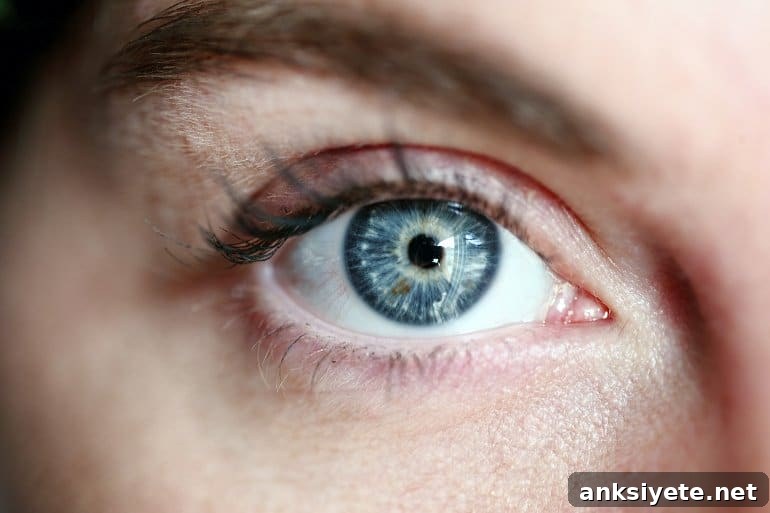
Summary: Researchers have developed a new technique to produce photoreceptor progenitor cells that closely resemble those found in human embryos. When transplanted into damaged retinas in preclinical models, these cells can restore retinal function and improve vision, offering a promising avenue for treating blinding conditions such as age-related macular degeneration and retinitis pigmentosa.
Source: Duke-NUS Medical School
In a preclinical study, scientists used human pluripotent stem cells to generate photoreceptor progenitor cells—specialized cells that detect light in the retina—and transplanted them into models with retinal damage. The treatment produced measurable improvements in retinal function and behavior related to vision.
The collaborative research, conducted by teams from Duke-NUS Medical School, the Singapore Eye Research Institute and the Karolinska Institute in Sweden, represents an important step toward therapies that restore sight by replacing lost photoreceptors. The study is published in the journal Molecular Therapy.
“Our laboratory has developed a novel method that enables the production of photoreceptor progenitor cells resembling those in human embryos,” said Assistant Professor Tay Hwee Goon, first author of the study from Duke-NUS’ Center for Vision Research. “Transplantation of these cells into experimental models has yielded partial restoration of the retinal function.”
Photoreceptor loss is a major contributor to progressive vision decline and blindness across a range of retinal diseases. Conditions such as retinitis pigmentosa—an inherited disorder that gradually destroys retinal cells—and age-related macular degeneration, a leading cause of vision impairment worldwide, both involve degeneration of rods and cones that detect light.
To address this, the research team developed a defined, xenogen-free culture process that guides human embryonic stem cells to become photoreceptor progenitors. The method uses purified, retina-associated laminin proteins—specifically a recombinant retina-specific laminin isoform identified in the study—to recreate key extracellular cues that steer stem cell differentiation toward the photoreceptor lineage.
When these lab-grown progenitor cells were transplanted into damaged retinas in animal models, investigators observed substantial functional recovery. Full-field electroretinography (ERG), a diagnostic test measuring electrical responses of retinal cells to light, showed significant improvement in retinal activity after transplantation. Behaviorally, treated animals demonstrated better visual performance in assessments designed to measure sight-dependent tasks.
Histological and imaging analyses revealed that the transplanted cells survived for many weeks, matured in the host environment, and formed connections with the surrounding retinal neurons, including bipolar cells in the inner retina. These new associations indicate the engrafted cells integrated with host tissue and established synaptic contacts, supporting their role in restoring visual signaling.
The team reports that the protocol produces photoreceptor progenitors reproducibly within a relatively short time frame and avoids animal-derived components, which improves consistency and clinical translatability. Moving forward, researchers plan to simplify and standardize the procedure further and to test its efficacy in models that more closely mirror human retinal degeneration.
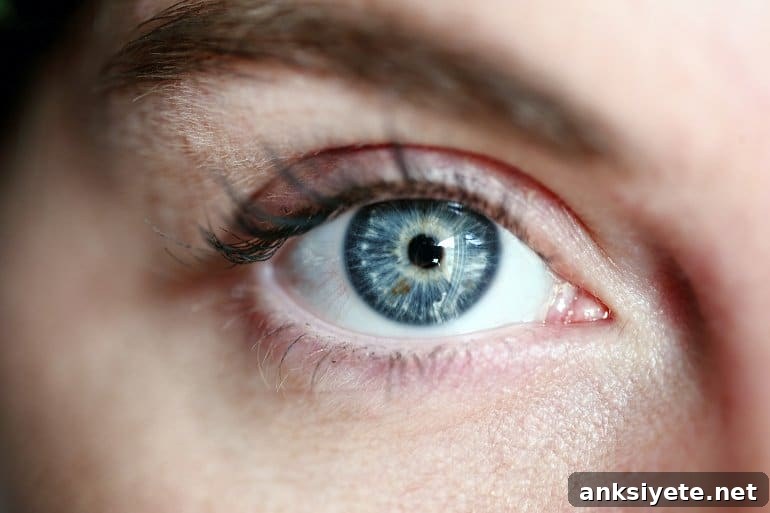
“It is exciting to find these results, which suggest a promising route towards using stem cells to treat those forms of visual deterioration and blindness caused by the loss of photoreceptors,” said Dr. Helder Andre, Head of Molecular and Cellular Research at Karolinska Institute’s Department of Clinical Neuroscience and a senior author of the study.
Associate Professor Enrico Petretto, Director of the Center for Computational Biology at Duke-NUS and the study’s lead for bioinformatics analysis, added, “Our method may also be useful for understanding the molecular and cellular pathways that drive the progression of macular degeneration, potentially pointing to additional therapeutic strategies.”
The next challenge for the team is to evaluate the approach in preclinical models that better recapitulate the human condition of photoreceptor degeneration. If future studies provide consistently positive results, the researchers hope to advance the protocol toward clinical trials in patients, an essential milestone on the path to restoring retinal structure and sight.
The differentiation protocol developed by Tay and colleagues has been licensed to the Swedish biotechnology start-up Alder Therapeutics, which may support further development and translation toward clinical applications.
About this genetics and visual neuroscience research news
Author: Press Office
Source: Duke-NUS Medical School
Contact: Press Office – Duke-NUS Medical School
Image: The image is in the public domain
Original Research: Open access.
“Photoreceptor laminin drives differentiation of human pluripotent stem cells to photoreceptor progenitors that partially restore retina function” by Hwee Goon Tay et al. Molecular Therapy
Abstract
Photoreceptor laminin drives differentiation of human pluripotent stem cells to photoreceptor progenitors that partially restore retina function
Advanced stages of inherited retinal diseases and age-related macular degeneration share a common outcome: loss of photoreceptors that detect light. Replacing those cells with functional photoreceptor-like cells derived from human pluripotent stem cells represents a promising therapeutic strategy.
In this study, the authors generated a human recombinant retina-specific laminin isoform, LN523, and demonstrated its role in promoting differentiation of human embryonic stem cells into photoreceptor progenitors. Using a chemically defined, xenogen-free culture system, the protocol reproducibly produces photoreceptor progenitors within 32 days.
Transplantation into rd10 mice showed protection of the host photoreceptor outer nuclear layer (ONL) up to two weeks after transplantation, as measured by full-field electroretinography. Four weeks after transplantation, engrafted cells survived, matured, and associated with the host’s rod bipolar cells.
Visual behavior assessed with a water maze swimming test demonstrated improved vision in animals that received cell transplants. By 20 weeks post-transplantation, maturing engrafted cells effectively replaced lost ONL tissue through extensive association with host bipolar cells and synapses. Complementary results in a post-transplantation rabbit model supported evidence of synaptic connectivity between grafted cells and degenerated host retina.
These findings support the potential development of stem cell-based therapies for retinal degeneration by demonstrating a reproducible, clinically relevant method for generating photoreceptor progenitors and evidence of their functional integration into diseased retinas.