
Deep Brain Stimulation Shows Promise for Treatment-Resistant Anorexia Nervosa
In a world first, researchers at the Krembil Neuroscience Centre and the University Health Network report that Deep Brain Stimulation (DBS) produced meaningful improvements in body weight, mood, and anxiety for some patients with chronic, severe, treatment-resistant Anorexia Nervosa.
The findings come from a Phase I pilot safety trial titled “Deep Brain Stimulation of the Subcallosal Cingulate Area for Treatment-Refractory Anorexia Nervosa.” The multidisciplinary team included lead author Dr. Nir Lipsman (neurosurgery resident at the University of Toronto and PhD student at the Krembil Neuroscience Centre), Dr. Andres Lozano (neurosurgeon at the Krembil Neuroscience Centre, professor and chair of neurosurgery at the University of Toronto), and Dr. Blake Woodside (medical director of Canada’s largest eating disorders program at Toronto General Hospital and professor of psychiatry at the University of Toronto).
This phase one safety study enrolled six patients with long-standing, severe anorexia nervosa who were at high risk of ongoing chronic illness or premature death due to the severity of their condition. Participants had a mean age of 38 and an average illness duration of 18 years. Most had comorbid psychiatric diagnoses such as major depressive disorder and obsessive-compulsive disorder. Collectively, these six patients had nearly 50 hospitalizations related to medical complications of anorexia during their illness histories.
Deep Brain Stimulation is a neurosurgical technique that delivers targeted electrical stimulation to alter activity in specific brain circuits. Prior neuroimaging research has identified structural and functional differences in brain networks that regulate mood, anxiety, reward, and body perception in people with anorexia nervosa. The trial targeted the subcallosal cingulate area, a region implicated in mood and emotional regulation and previously studied in severe depression.
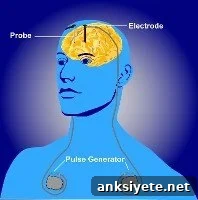
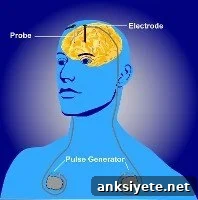
Surgery was performed with patients awake. Electrodes were implanted into the target area and each electrode contact was tested by brief stimulation while clinicians and patients observed any changes in mood, anxiety, or adverse effects. Once optimal contacts were identified, leads were connected to an implanted pulse generator placed beneath the right clavicle, similar to a cardiac pacemaker.
Patients were assessed at baseline and then at one, three, and six months after the pulse generator was activated. By nine months following surgery, three of the six participants had recorded a sustained weight gain defined as a body-mass index (BMI) higher than any BMI they had maintained previously. For these individuals, this represented the longest period of sustained weight gain since their illness began. In addition, four of the six patients experienced improvements in mood, anxiety, emotional regulation, and urges related to bingeing, purging, obsessions, and compulsions—symptoms commonly associated with anorexia nervosa. Two patients, following these changes, were able to complete an inpatient eating disorder treatment program for the first time in their illness.
Although experimental, the treatment is believed to work by normalizing activity within brain circuits that underlie mood, anxiety, emotional control, and compulsive behaviors—core features that maintain severe anorexia in many patients. In some cases, DBS appears to create a therapeutic window that allows individuals to engage with and benefit from other evidence-based treatments that had previously been unsuccessful.
“We are ushering in a new era of understanding the brain’s role in certain psychiatric and neurological disorders,” said Dr. Andres Lozano. “By identifying and modulating specific circuits linked to symptoms, we can expand therapeutic options for people with illnesses that have proved refractory to existing treatments.”
Dr. Blake Woodside emphasized the clinical urgency: “There is an urgent need for additional therapies for severe anorexia. Eating disorders carry the highest mortality rate of any mental illness. Any intervention that can change the natural course of severe anorexia offers hope and can save lives.”
Dr. Lozano and his group have been exploring DBS for multiple conditions; their recent work also includes an early trial of DBS in patients with early Alzheimer’s disease, where stimulation showed potential to improve memory. That Alzheimer’s trial has progressed into a second phase and expanded to additional centers.
Anorexia Nervosa is a complex psychiatric disorder characterized by restrictive eating, distorted body image, and an intense fear of weight gain. Mortality associated with anorexia can be high, and a substantial subset—estimated in prior research at 15–20%—develops a chronic course that does not respond to standard treatments. Evidence increasingly supports addressing the broader emotional, psychological, and comorbid psychiatric symptoms alongside nutritional rehabilitation to reduce relapse and improve long-term outcomes.
Notes about this anorexia nervosa research
UHN researchers plan to expand this pilot work by designing a larger trial to evaluate the long-term safety and efficacy of DBS for people with treatment-resistant anorexia nervosa. The pilot study was supported by a grant from the Klarman Family Foundation Grants Program in Eating Disorders Research and a Fellowship from the Canadian Institutes of Health Research (CIHR).
Contact: Alexa Giorgi – University Health Network
Source: University Health Network press release
Image Source: The DBS illustration is credited to the National Institute of Mental Health and is in the public domain.
Original Research: The abstract for “Deep Brain Stimulation of the Subcallosal Cingulate Area for Treatment-Refractory Anorexia Nervosa: A Phase I Pilot Trial” by Dr. Nir Lipsman, Dr. Andres Lozano, and Dr. Blake Woodside was scheduled to appear in The Lancet in the week of March 4, 2013.