
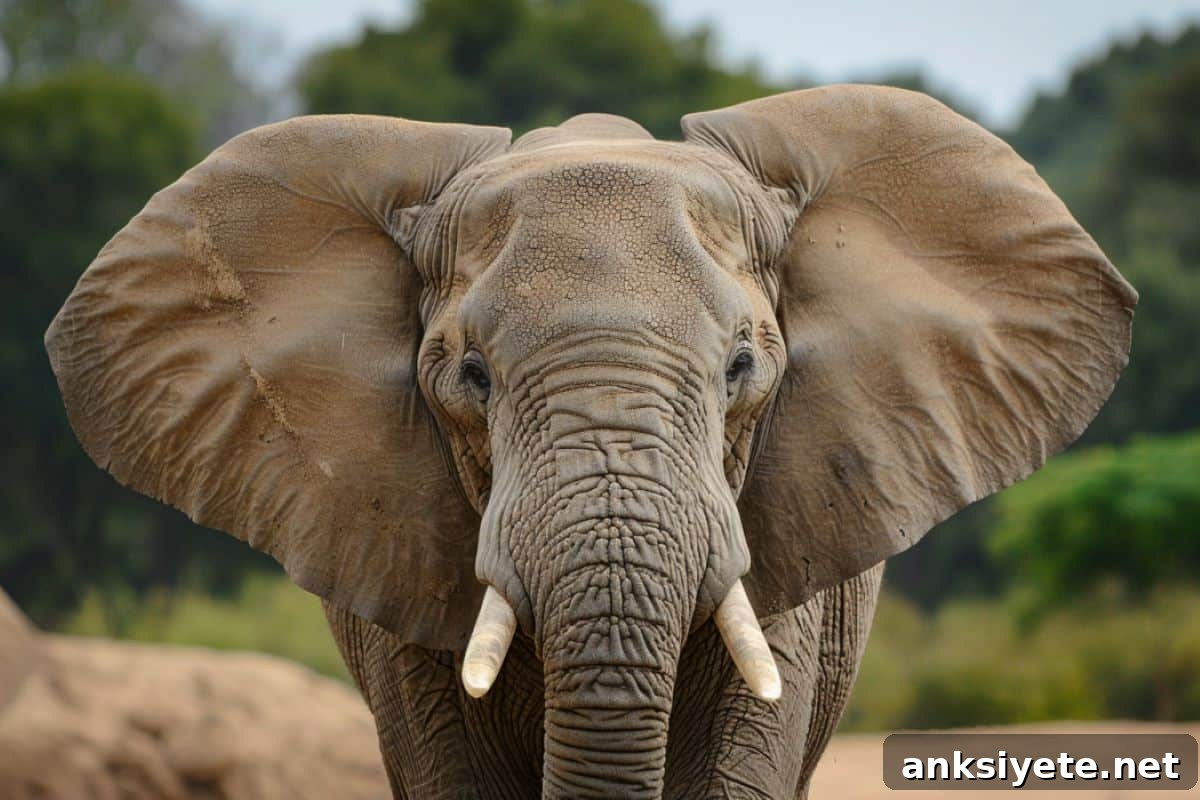
Summary: Researchers analysed brain and body measurements for roughly 1,500 mammal species and found that body and brain size do not scale proportionally across large animals. Instead of a straight-line relationship, the link between brain and body size is curved, overturning a long-standing assumption in studies of brain evolution.
This revised view clarifies why some species, including humans, deviate from general patterns in brain size evolution and offers a simpler, more consistent framework for comparing relative brain size across mammals.
Key Facts:
- Curved relationship: Brain size increases more slowly than body size in the largest animals, indicating a nonlinear scaling pattern.
- Human exception: Homo sapiens has experienced an unusually rapid increase in brain size relative to body size compared with most other mammals.
- Evolutionary constraints: Some clades, such as bats, show distinctive patterns—rapid early reduction in relative brain size followed by long periods of little change—suggesting ecological or physiological limits.
Source: University of Reading
Researchers at the University of Reading and Durham University assembled a large dataset of brain and body sizes from about 1,500 mammal species to settle a long-running debate about how brains evolve in relation to body size.
Scientists have long used relative brain size (brain size adjusted for body size) as an indicator linked to cognitive capacity, social complexity, and behavioural flexibility. Humans are an extreme example, with much larger brains than would be expected for our body size. The new analysis, published recently, reveals that previous assumptions about a proportional, linear scaling across mammals are incorrect: the relationship between brain size and body size is curved.
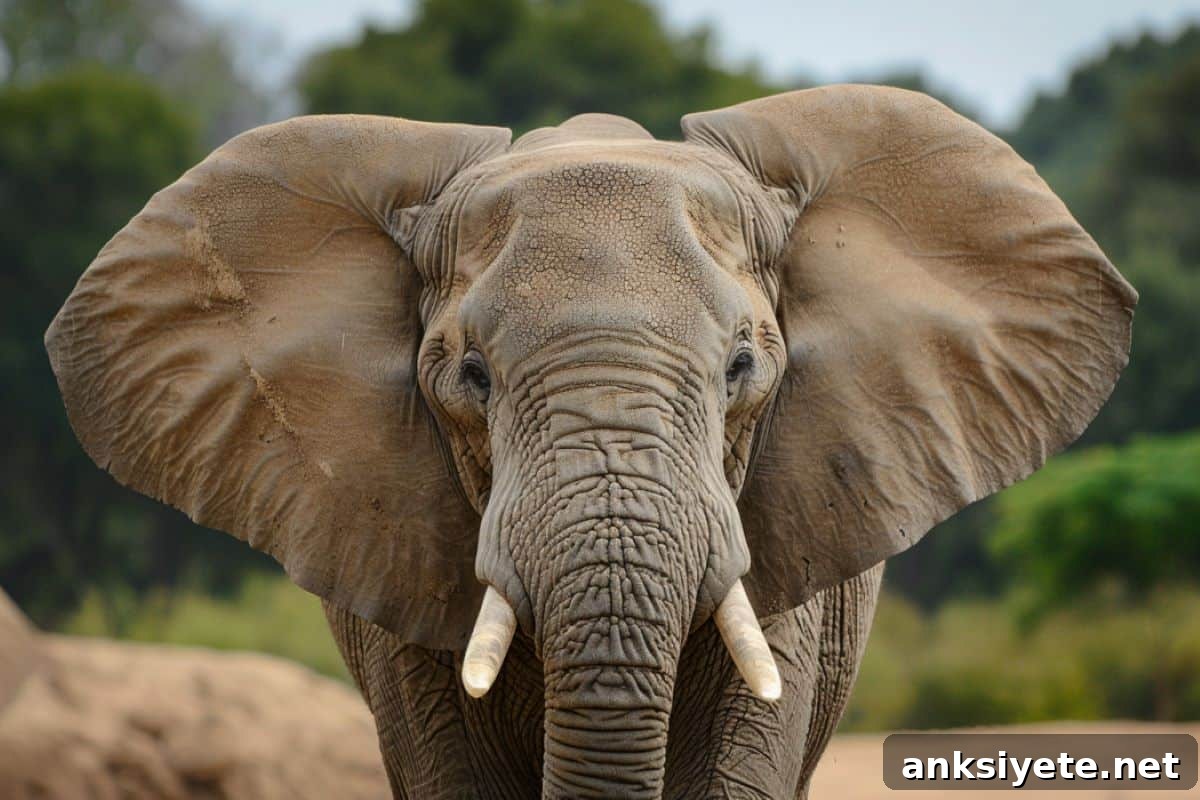
Professor Chris Venditti, lead author from the University of Reading, explained: “For more than a century, scientists assumed a linear relationship—brain size increasing proportionally with body size. We now know that is not the case. The association is curved, meaning very large animals tend to have smaller brains than previously expected.”
Professor Rob Barton of Durham University, a co-author, added: “Our findings simplify how we study relative brain size. Rather than relying on complex, group-specific explanations, a single underlying curved model captures the broad pattern across mammals and makes it easier to identify genuine exceptions.”
Identifying the outliers
By fitting a curved model across mammals, the team could distinguish typical scaling from species or lineages that depart from the norm. Humans emerged as a clear outlier: the rate of brain size increase in Homo sapiens has been far higher than in most other mammals, contributing to the large brains associated with human cognition.
But humans are not the only animals that diverge. The study shows that many mammal groups experienced rapid evolutionary shifts in relative brain size—both increases and decreases. Bats, for instance, appear to have undergone a swift decrease in relative brain size early in their evolutionary history, followed by comparatively slow change. This pattern suggests that the energetic and aerodynamic demands of flight, or other ecological factors, might constrain brain enlargement in flying mammals.
Three mammal groups—primates, rodents, and carnivores—display the clearest long-term increases in relative brain size, consistent with the idea that certain ecological and social pressures favour larger brains. The authors note that this trend is not universal across all mammals as previously assumed, but rather concentrated in specific lineages.
Dr Joanna Baker, co-author from the University of Reading, commented: “Our results reveal an intriguing limit on brain size among the largest animals. It remains unclear whether physical, metabolic, or ecological costs prevent brains from growing beyond a certain point. The fact that a similar curvature appears in birds suggests that the same broad constraints may operate across very different types of animals.”
About this neuroscience and evolution research news
Author: Ollie Sirrell
Source: University of Reading
Contact: Ollie Sirrell – University of Reading
Image: The image is credited to Neuroscience News
Original Research: The findings will be published in Nature Ecology and Evolution