
Summary: Researchers report that hypothalamic-like neurons generated from super-obese individuals show altered regulation of hormones that control hunger and feeding behavior.
Source: Cell Press
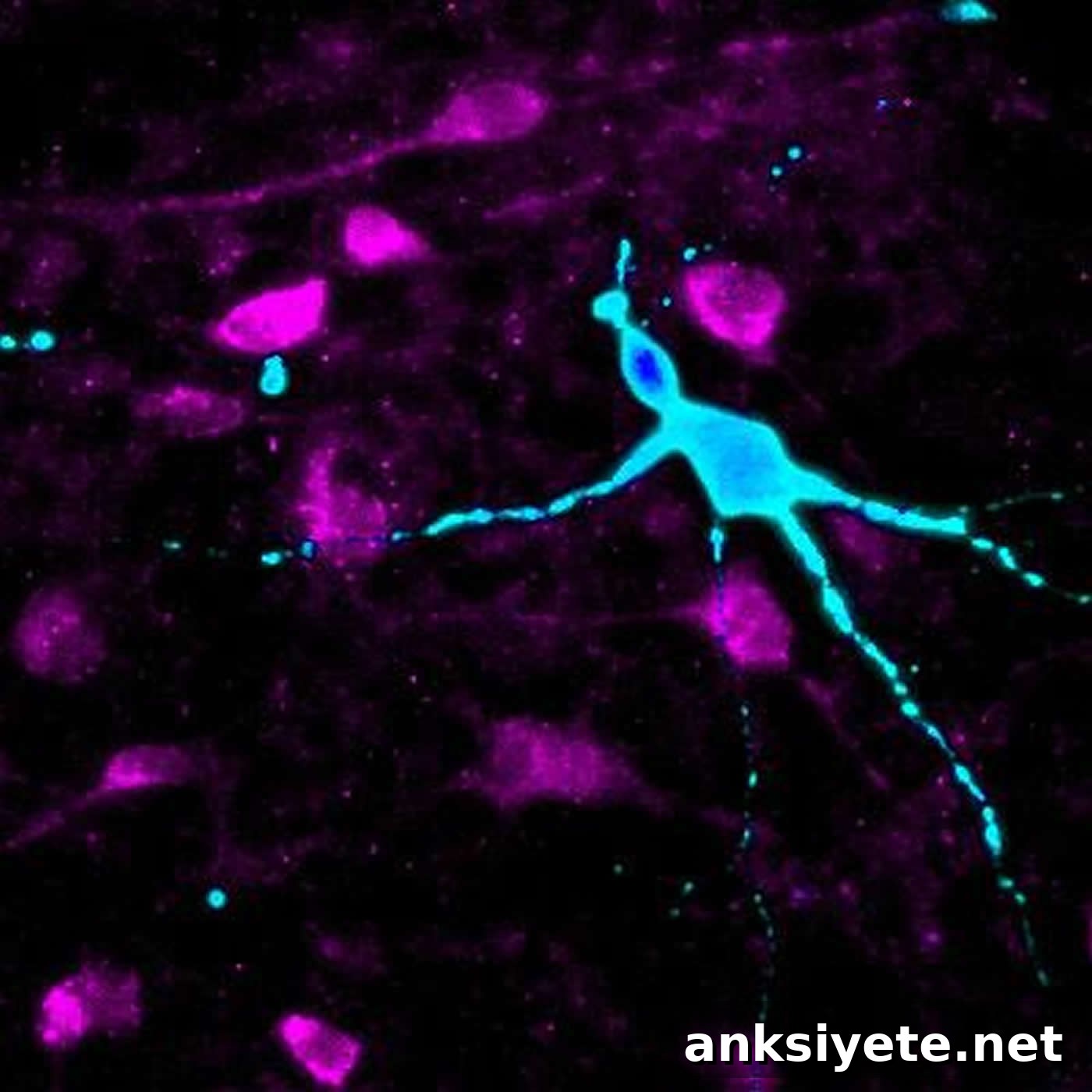
US researchers have converted blood and skin cells from super-obese individuals and normal-weight volunteers into hypothalamic-like neurons using human induced pluripotent stem cell (hiPSC) technology. Cells derived from super-obese donors displayed persistent dysregulation in hormone responses, obesity-related genes, and metabolic pathways. The findings were published April 19 in Cell Stem Cell.
“This work represents an initial step toward using an iPSC-based platform to model complex, polygenic diseases such as obesity,” says senior author Dhruv Sareen, a stem cell biologist at Cedars-Sinai Medical Center. “We created a robust platform that could be used in the future to test experimental therapies on patient-specific hypothalamic neurons from obese individuals with diverse genetic backgrounds, body mass indices, and environmental histories.”
Most cases of common obesity arise from many inherited genetic variants, each with a small effect on risk. Many of these genes influence hypothalamic functions that control appetite and energy balance. Because human hypothalamic tissue is difficult to obtain, researchers need reliable neuronal models to study the biological mechanisms that drive obesity.
To address this, Sareen and colleagues developed a protocol to produce functional hypothalamic-like neurons from hiPSCs. They reprogrammed blood and skin cells collected from super-obese donors (body mass index ≥ 50) who carried multiple genetic variants associated with obesity, and from normal-weight subjects (BMI ≤ 25). The resulting hiPSC-derived hypothalamic-like neurons exhibited gene expression profiles similar to adult hypothalamic cells obtained from post-mortem tissue.
These iPSC-derived neurons secreted neuropeptides that regulate feeding and responded to peripheral metabolic hormones. When exposed to ghrelin, the hunger-stimulating hormone produced by the gut, and leptin, the satiety hormone released by fat tissue, the neurons adjusted neuropeptide secretion as expected. Notably, neurons from super-obese donors showed an exaggerated response to ghrelin compared with neurons derived from normal-weight subjects. Even after reprogramming and differentiation, the super-obese-derived cells retained signatures of dysregulated obesity-related genes and altered metabolic pathways.
Previous hiPSC studies have focused largely on rare, single-gene disorders. Although a few laboratories recently reported protocols to make hypothalamic-like neurons from hiPSCs, those studies did not show that the neurons secreted neuropeptides in response to hormonal signals or that they could model multifactorial, polygenic obesity. This study advances the field by demonstrating hormone-responsive neuropeptide secretion and retaining disease-related molecular signatures in cells derived from high-BMI donors.
“Our long-term goal is to enable personalized or precision approaches to obesity treatment,” Sareen explains. “In the future, drugs might be tailored to obese patients based on their specific genetic background and metabolic status, optimizing benefit while reducing side effects.”
The authors note important limitations. Feeding behavior emerges from interactions among the hypothalamus and many other organs and cell types — including the pituitary, pancreas, liver, gut, and adipose tissue. Future work will test whether hiPSC-derived hypothalamic-like neurons can form functional connections with these cell types in co-culture systems and in vivo, and whether they integrate into broader metabolic circuits.
Sareen adds, “There are several intermediate steps before iPSC-derived hypothalamic neurons can serve as a reliable platform to screen therapeutics for obesity and related metabolic diseases, but these findings provide a promising foundation.”
Article source: Joseph Caputo, Cell Press.
Publisher note: Organized by NeuroscienceNews.com.
Image credit: Uthra Rajamani and Dhruv Sareen, Cedars-Sinai Board of Governors Regenerative Medicine Institute.
Original research: “Super-Obese Patient-Derived iPSC Hypothalamic Neurons Exhibit Obesogenic Signatures and Hormone Responses” by Uthra Rajamani et al., published in Cell Stem Cell, April 19, 2018. DOI: 10.1016/j.stem.2018.03.009
Cell Press (2018, April 19). Neurons Derived From Super-Obese People Respond Differently to Appetite Hormone. NeuroscienceNews. Retrieved April 19, 2018.
Abstract
Super-Obese Patient-Derived iPSC Hypothalamic Neurons Exhibit Obesogenic Signatures and Hormone Responses
The hypothalamus integrates peripheral hunger and satiety signals and plays a central role in the development of obesity. Limited access to human hypothalamic neurons has constrained mechanistic understanding. To overcome this, the authors generated hiPSCs from multiple normal-weight donors (BMI ≤ 25) and super-obese donors (BMI ≥ 50) who carry polygenic variants in obesity-associated genes. They developed a reproducible differentiation method to produce hypothalamic-like neurons (iHTNs) that secrete both orexigenic and anorexigenic neuropeptides. Transcriptomic analyses show that although iHTNs retain a fetal-like identity, they respond to metabolic hormones ghrelin and leptin. Importantly, iHTNs from super-obese donors preserve disease-associated signatures and phenotypes, including disrupted respiratory function, altered ghrelin-leptin signaling, changes in axonal guidance and glutamate receptor pathways, and indicators of endoplasmic reticulum stress. These human iHTNs provide a promising platform to study obesity mechanisms and gene–environment interactions.