
New research published in the Journal of Neuroscience identifies a previously unrecognized mechanism of brain damage in multiple sclerosis (MS) that may help explain the slow, progressive cognitive decline many patients experience. The study shows that the brain’s immune cells can disrupt communication between neurons in regions not typically considered primary targets of the disease, contributing to memory and thinking problems independent of classic myelin loss.
Lead author Matthew Bellizzi, M.D., Ph.D., from the Center for Neural Development and Disease at the University of Rochester Medical Center (URMC), explains that these findings reveal “a new disease mechanism in MS which causes neuronal damage independent of the loss of white matter and demyelination that is the hallmark of the disease.” This additional form of injury is not prevented by the immunosuppressive medications commonly used to treat MS, highlighting a gap in current therapies.
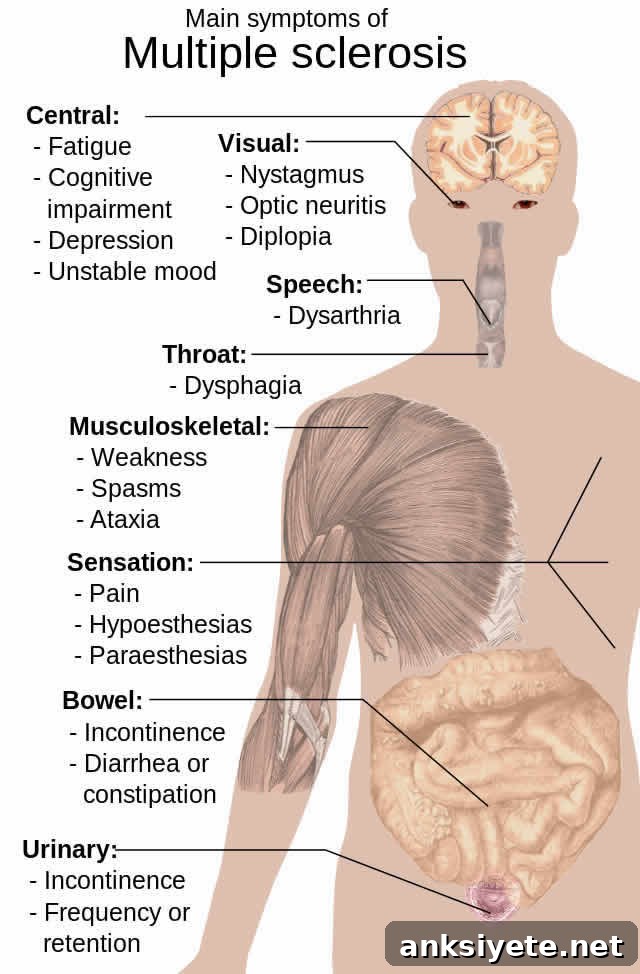
Multiple sclerosis is an inflammatory disease of the central nervous system affecting roughly one million people worldwide. Historically, MS research and treatment have focused on autoimmune attacks against myelin—the fatty white matter sheath that insulates axons and enables rapid electrical signaling. When myelin is damaged or lost (demyelination), nerve signals can be slowed or interrupted, producing the motor and sensory symptoms commonly associated with MS, such as muscle weakness, numbness, balance problems, and visual disturbances.
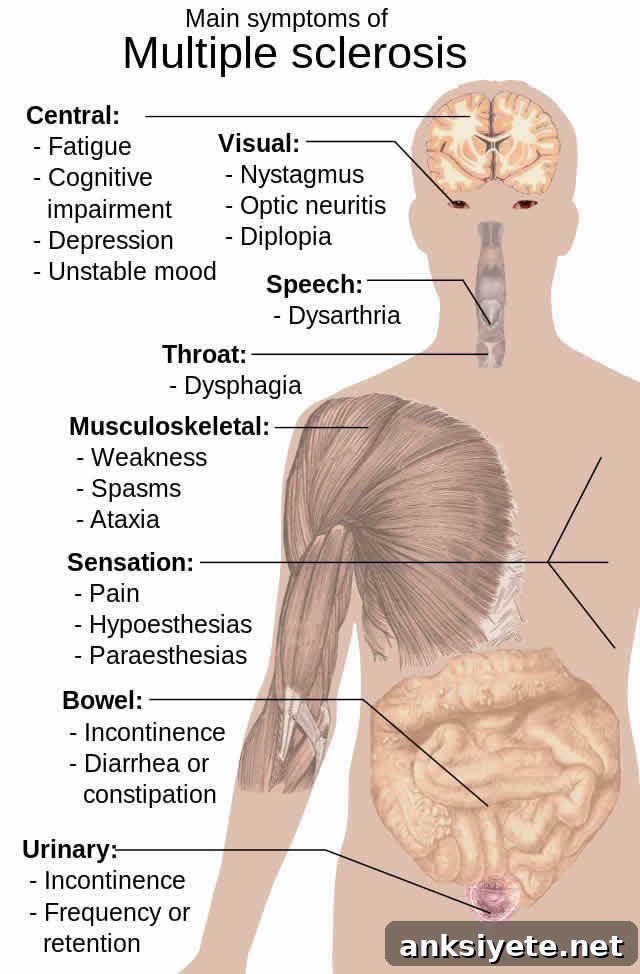
While motor and sensory deficits remain hallmarks of MS, cognitive symptoms affect a large proportion of patients. Studies estimate up to 70 percent of people with MS develop problems such as slowed information processing, reduced concentration, word-finding difficulties, and memory impairment. For many patients, loss of cognitive independence has a greater long-term impact on quality of life than mobility or vision issues.
URMC researchers investigated mechanisms behind this cognitive decline using mouse models of MS. Their experiments found clear evidence of synaptic injury in the hippocampus—the brain region central to learning and memory—despite the hippocampus not being a primary site of myelin loss in MS. The synapse, the specialized junction where one neuron communicates with another, was selectively targeted by inflammatory processes.
Microglia, the central nervous system’s resident immune cells, emerged as key players in this synaptic damage. Normally, microglia support synaptic health and clear debris, but when chronically activated by widespread neuroinflammation, they shift into a pro-inflammatory state. In this altered mode, microglia release mediators that disrupt excitatory neurotransmission and damage the postsynaptic structures that receive signals.
One molecule identified in the study is platelet-activating factor (PAF). Elevated PAF alters excitatory signaling, producing excessive activation that effectively “short-circuits” the receiving end of the synapse. This damage then draws more immune cells to the site, fueling a persistent, self-amplifying cycle of inflammation and synaptic loss. As senior author Harris Gelbard, M.D., Ph.D., director of the URMC Center for Neural Development and Disease, summarizes: the process can behave like “trying to put out a fire with gasoline,” producing cumulative injury to neural circuits that underlie memory and thinking.
Importantly, the researchers note that this microglia-mediated, synapse-specific damage occurs despite treatments that successfully reduce classical immune attacks on myelin. That may explain why current frontline immunosuppressive drugs, while effective at preventing relapses and new white-matter lesions, do not fully halt progressive cognitive decline in many patients with MS.
Given these results, the URMC team is pursuing therapeutic strategies that target the intracellular signaling pathways responsible for microglial overactivation and synaptic vulnerability. Among the approaches under consideration are compounds already under investigation for other neurological conditions, including candidates studied for HIV-associated neurocognitive disorders; these agents inhibit the molecular cascades that drive excessive microglial responses and synaptic dysfunction.
Additional co-authors on the study include Jasmine Geathers and Kevin Allan from URMC. Funding support was provided by the National Multiple Sclerosis Society and the National Institute of Mental Health. The study is scheduled to appear in the Journal of Neuroscience during the week of January 25, 2016.
Source: Mark Michaud — University of Rochester Medical Center
Image source: Public domain