
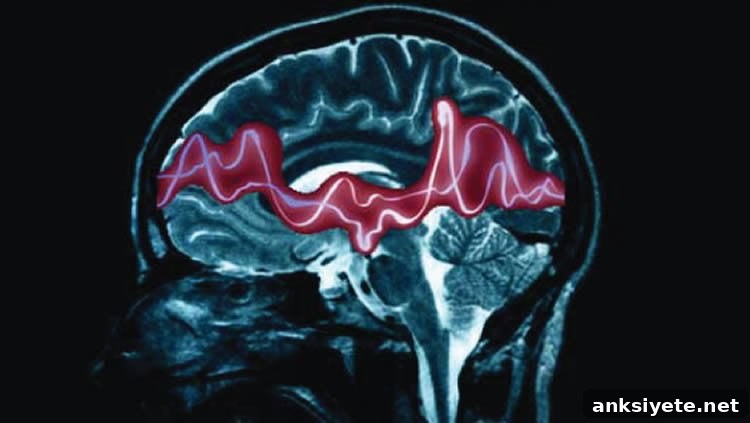
Researchers from Sanford‑Burnham and SUNY Downstate Medical Center report that deficiencies in hyaluronan—also called hyaluronic acid (HA)—can produce spontaneous epileptic seizures. HA is a large polysaccharide found throughout connective, epithelial, and neural tissues, including the brain’s extracellular space (ECS). Published April 30 in The Journal of Neuroscience, the study provides new physiological insight into HA’s role in the brain and points to potential therapeutic directions for epilepsy.
The multicenter investigation used genetically modified mice to provide the first direct evidence that hyaluronan helps maintain the volume of the brain’s ECS. The results also raise the possibility that HA and the genes regulating its synthesis and degradation may play a role in some forms of human epilepsy.
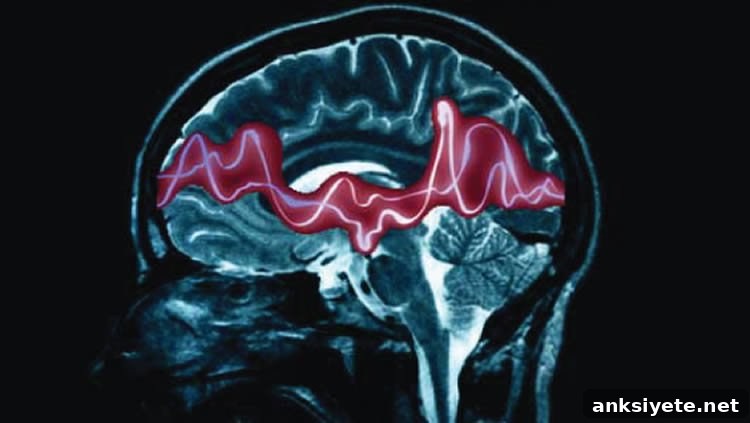
Epilepsy is one of the most common neurological disorders, affecting roughly 1 percent of people worldwide. It is defined by recurrent, spontaneous seizures originating from abnormal neuronal firing. While current treatments control seizures in about 70 percent of patients, a significant fraction do not achieve full control and could benefit from new strategies informed by improved understanding of disease mechanisms.
“Hyaluronan is widely recognized for its role in cartilage structure and joint health, but the adult brain also contains substantial amounts of this molecule,” said Yu Yamaguchi, M.D., Ph.D., professor in the Human Genetics Program. “Until now, the physiological role of HA in the mature brain has been poorly understood. Our study is the first to show that HA is essential for normal brain function, and that its deficiency can be linked to epileptic activity.”
Brain extracellular matrix molecules have long been studied for roles in development, such as cell adhesion and axon guidance. Over the last decade, attention has shifted to how extracellular matrix components contribute to physiological processes in the adult brain, including regulation of neuronal excitability and the local tissue environment.
To investigate HA’s in‑vivo function, the researchers analyzed mice lacking each of the three hyaluronan synthase genes (Has1, Has2, Has3). The Has‑deficient animals developed spontaneous seizures, demonstrating a functional connection between hyaluronan levels and neuronal stability. Electrophysiological and anatomical measurements showed that HA deficiency led to a measurable reduction in the volume of the brain’s extracellular space. This reduced ECS volume corresponded with epileptiform firing in hippocampal CA1 pyramidal neurons, indicating a non‑synaptic mechanism of seizure generation.
“Our experiments show that reduced hyaluronan decreases extracellular space, which in turn alters ion dynamics and neuronal excitability,” explained Sabina Hrabetova, M.D., Ph.D., associate professor in the Department of Cell Biology at SUNY. “Those changes were sufficient to provoke spontaneous epileptiform activity in key hippocampal circuits.”
The study highlights a previously underappreciated role for extracellular matrix composition in maintaining the brain’s ionic and volumetric homeostasis. Unlike mechanisms that depend on synaptic transmission or intrinsic membrane properties, this pathway implicates tissue‑level structural changes—specifically ECS volume and matrix composition—as drivers of hyperexcitability.
“These findings should interest both basic scientists and clinicians,” said Katherine Perkins, Ph.D., associate professor in the Department of Physiology and Pharmacology at SUNY. “Recognizing a matrix‑based, non‑synaptic mechanism for epileptogenesis opens the door to novel interventions that preserve or restore hyaluronan in the brain as a therapeutic strategy.”
The authors emphasize that further research is needed to translate these discoveries to humans, including investigations of HA metabolism in different epilepsy types, genetic studies of HAS pathway genes in patients, and testing approaches that maintain or restore extracellular HA to prevent seizures.
Contact: Susan Gammon, Ph.D. – Sanford‑Burnham Medical Research Institute
Source: Sanford‑Burnham Medical Research Institute press release
Image Source: Adapted from the Sanford‑Burnham Medical Research Institute press release
Original Research: Abstract for “Hyaluronan Deficiency Due to Has3 Knock‑Out Causes Altered Neuronal Activity and Seizures via Reduction in Brain Extracellular Space” by Amaia M. Arranz, Katherine L. Perkins, Fumitoshi Irie, David P. Lewis, Jan Hrabe, Fanrong Xiao, Naoki Itano, Koji Kimata, Sabina Hrabetova, and Yu Yamaguchi in Journal of Neuroscience. Published online April 30, 2014.