
Study also points to potential new drug discovery advances.
Researchers at the University of California, Irvine have identified a consistent signaling defect within a specific cellular membrane compartment that may serve both as a reliable biomarker for some forms of autism and as a promising target for new therapies.
Led by Dr. J. Jay Gargus and Ian Parker at the UCI Center for Autism Research & Translation, the team examined skin biopsies from patients representing three distinct monogenic disorders linked to autism: fragile X syndrome and tuberous sclerosis complex types 1 and 2. They discovered a pronounced alteration in cellular calcium signaling mediated by the inositol trisphosphate receptor (IP3R).
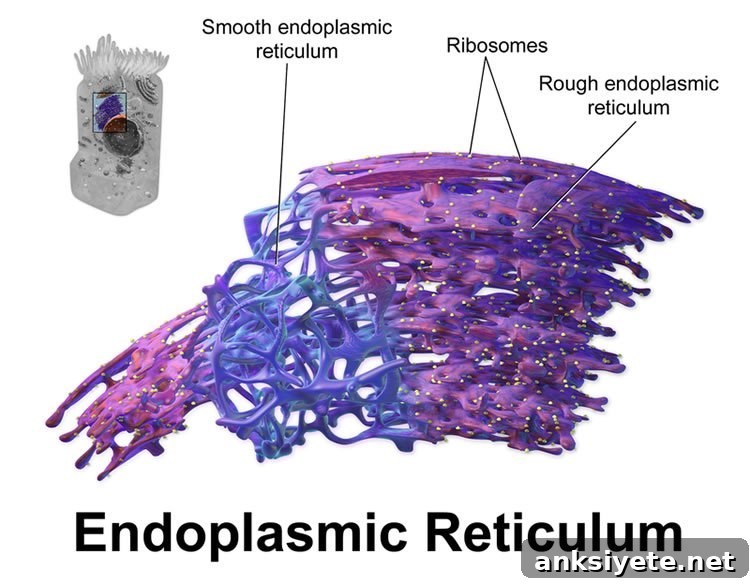
The functional impairment of IP3R was localized to the endoplasmic reticulum (ER), an organelle involved in numerous essential cellular processes. The researchers suggest that defects in this ER-based calcium channel could underlie cognitive features of autism and may also contribute to associated digestive and immune irregularities.
“We believe this discovery can improve early and accurate diagnosis of autism spectrum disorders,” said Gargus, director of the Center for Autism Research & Translation and professor of pediatrics and physiology & biophysics. “Equally important, the finding points to a class of molecular targets already amenable to drug discovery.”
Results are published in Translational Psychiatry.
Autism spectrum disorder (ASD) affects approximately 2 percent of children in the United States and represents a substantial social and economic burden. The complexity and heterogeneity of ASD—driven by many genetic and environmental factors—have impeded development of effective treatments and reliable diagnostic markers. Although hundreds of genes have been associated with ASD, their sheer number and variable effects make it difficult to translate genetic findings into diagnostics or therapies.
Despite this genetic diversity, many ASD-linked genes converge on shared signaling pathways. The UCI team found such convergence at the IP3R calcium channel within the ER. Organelles like the ER, mitochondria and lysosomes are specialized membrane structures whose dysfunction is increasingly recognized as a contributor to neurological disease.
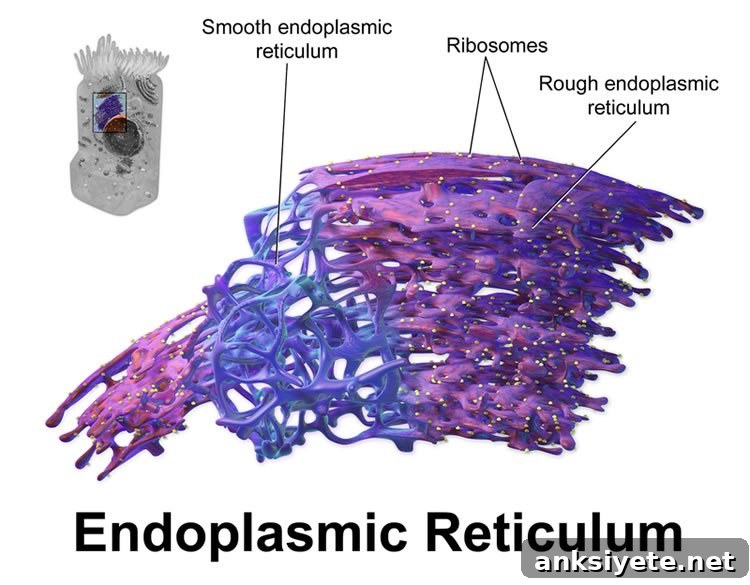
IP3R controls release of calcium from the ER. In neurons, calcium signals carry essential information within and between cells and trigger many downstream processes involved in learning, memory, neuronal excitability and neurotransmitter release—functions often disrupted in ASD.
“We propose that correct IP3R function and its associated signaling cascade are critical for normal neuronal performance,” said Parker, a fellow of the Royal Society and professor of neurobiology & behavior at UCI. “This signaling pathway may represent a central hub where genetic changes linked to ASD produce widespread functional disruption.”
To test whether IP3R dysfunction is present across the autism spectrum, clinicians affiliated with the Center for Autism & Neurodevelopmental Disorders are expanding the study to include children with and without ASD. Participants undergo comprehensive behavioral diagnostics along with advanced EEG, sleep and biochemical assessments. Their genomes are being sequenced, and skin cell samples are cultured for laboratory functional assays to evaluate calcium signaling directly.
On the therapeutic front, scientists at the Center for Autism Research & Translation are investigating how IP3R regulates neuronal excitability. Brains of people with autism commonly show signs of hyperexcitability, a pattern also observed in epilepsy, which frequently co-occurs with ASD. The researchers observed reduced calcium signaling in cells derived from individuals with autism; this depressed IP3R-mediated calcium release could paradoxically contribute to neuronal hyperexcitability. Restoring proper calcium release through IP3R may help dampen excessive neuronal activity and therefore has potential as a treatment strategy.
Funding: The study included contributions from Galina Schmunk, Bryan Boubion and Ian Smith of UCI, and received support from the National Institutes of Health (grants GM048071 and GM1000201) and the William & Nancy Thompson Family Foundation. The University of California is pursuing a patent for the discovery both as a diagnostic approach and for identifying candidate therapeutic agents.
Source: UC Irvine
Image Source: The image is credited to BruceBlaus and is licensed CC BY 3.0
Original Research: Full open access research titled “Shared functional defect in IP3R-mediated calcium signaling in diverse monogenic autism syndromes” by G. Schmunk, B. J. Boubion, I. F. Smith, I. Parker and J. J. Gargus in Translational Psychiatry. Published online September 22, 2015. doi:10.1038/tp.2015.123
Abstract
Shared functional defect in IP3R-mediated calcium signaling in diverse monogenic autism syndromes
Autism spectrum disorder affects roughly 2 percent of children and is characterized by impaired social communication and repetitive behaviors. The disorder’s pathophysiology is complex because of genetic and environmental heterogeneity, complicating both diagnosis and the development of effective therapies. Growing genetic evidence points to disrupted calcium signaling as a contributing factor in ASD. In this work, fibroblasts derived from patients with three monogenic forms of ASD—fragile X and tuberous sclerosis complex (TSC1 and TSC2)—showed reduced calcium release through IP3 receptors. This deficit appeared in responses triggered by G protein-coupled receptor activation and by experimentally released IP3, at both global and local calcium signaling levels, indicating a basic dysfunction in IP3R channel activity. Given IP3R-mediated calcium signaling’s central role in neuronal excitability, synaptic plasticity, gene regulation and neurodevelopment, dysregulation of this pathway offers a point of convergence for diverse genes implicated in ASD. These results highlight potential pharmaceutical targets and support calcium-based screening of patient-derived skin fibroblasts as a promising strategy for early detection of individuals at risk for ASD.
“Shared functional defect in IP3R-mediated calcium signaling in diverse monogenic autism syndromes” by G. Schmunk, B. J. Boubion, I. F. Smith, I. Parker and J. J. Gargus in Translational Psychiatry. Published online September 22, 2015. doi:10.1038/tp.2015.123