
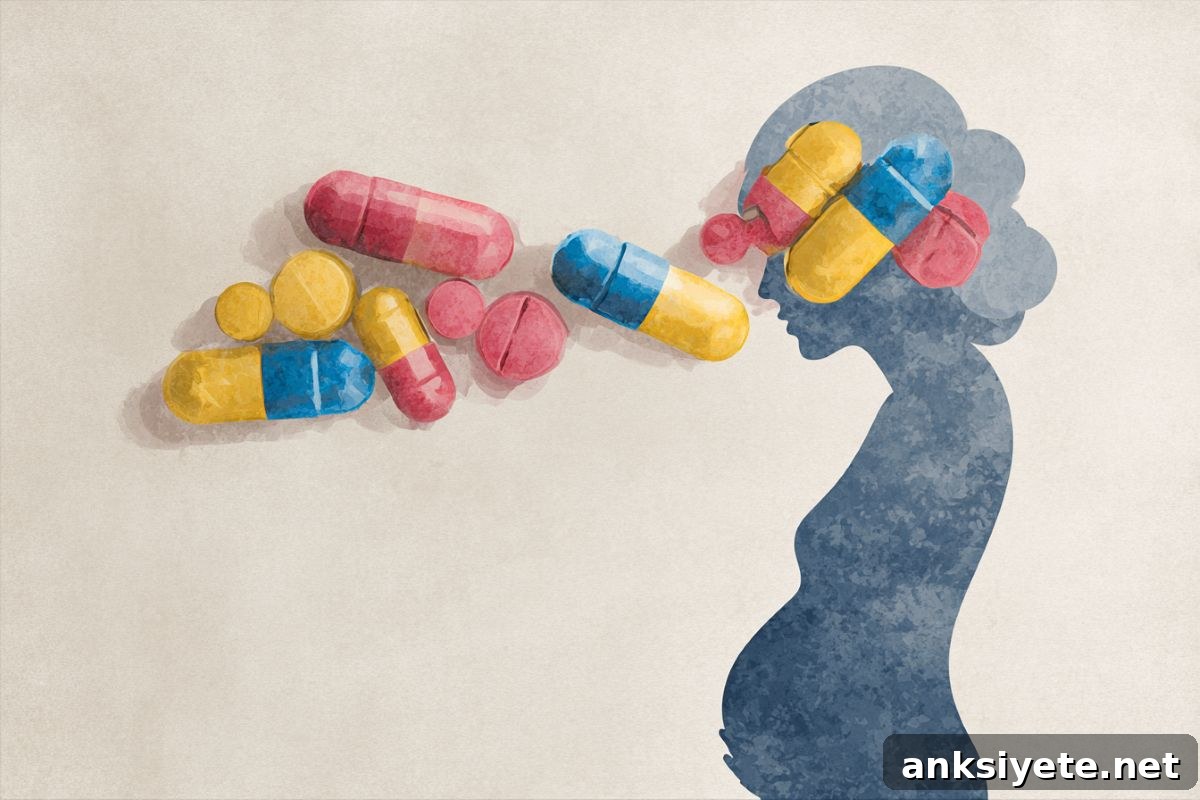
Summary: A large nationwide study has found a significant association between commonly prescribed medications during pregnancy and an increased risk of autism spectrum disorder (ASD) in children. Researchers analyzed more than 6 million births—nearly one-third of U.S. births between 2014 and 2023—and identified a notable link between prenatal exposure to medications that inhibit sterol (cholesterol) biosynthesis and higher ASD rates.
The research indicates that medications which unintentionally interfere with the cholesterol synthesis pathway in utero are associated with an approximately 50% higher risk of ASD in offspring when at least one such medication is prescribed during pregnancy. The risk rises with multiple concurrent prescriptions and has increased substantially across the study period.
Key findings
- Increased ASD risk: Maternal prescription of at least one sterol biosynthesis–inhibiting medication (SBIM) during pregnancy was associated with a 1.47-fold (47%) higher risk of having a child later diagnosed with ASD, after adjusting for potential confounders.
- Dose-dependence: Risk increased with the number of SBIMs prescribed. Each additional SBIM was associated with a 1.33-fold increase in ASD risk, and exposure to four or more SBIMs concurrently corresponded to a 2.33-fold (133%) higher risk.
- Prevalence among ASD cases: In the cohort, of the nearly 197,000 children diagnosed with ASD, 14.2% had prenatal exposure to SBIMs.
- Rising exposure during pregnancy: Use of these medications during pregnancy rose markedly from about 4.3% of pregnancies in 2014 to 16.8% in 2023, reflecting changing prescribing patterns for maternal mental health and cardiovascular conditions.
- Scope: The findings are based on analysis of 6,135,213 children with linked maternal records in the Epic Cosmos database, covering births from 2014 through 2023 with follow-up into 2025.
Medications studied
The study grouped medications by their shared effect on sterol biosynthesis rather than by clinical indication. The class of concern—sterol biosynthesis–inhibiting medications (SBIMs)—included commonly prescribed agents across several categories: certain antidepressants, antipsychotics, anxiolytics, beta-blockers, and statins. The generic names assessed in the analysis were aripiprazole, atorvastatin, bupropion, buspirone, fluoxetine, haloperidol, metoprolol, nebivolol, pravastatin, propranolol, rosuvastatin, sertraline, simvastatin, and trazodone. Collectively, these drugs account for hundreds of millions of prescriptions annually in the United States.
Why sterol biosynthesis matters for fetal development
Cholesterol is essential for fetal growth, particularly for brain development. The brain is the most cholesterol-rich organ, and the fetal brain begins producing its own sterols around 19–20 weeks of gestation. Genetic defects that disrupt sterol synthesis, such as Smith-Lemli-Opitz syndrome, are associated with high rates of neurodevelopmental impairment and ASD-like outcomes. Many widely used medications can unintentionally inhibit enzymes in this pathway, potentially altering neurodevelopment during a sensitive prenatal window.
Interpretation and clinical caution
Authors emphasize that these findings show an association, not proof of direct causation, and do not imply these medications are unsafe for nonpregnant adults. Senior author Karoly Mirnics, MD, PhD, notes the importance of carefully weighing maternal benefits and fetal risks. Patients should not discontinue or change prescribed treatments without medical consultation; abrupt cessation of essential medications may harm both mother and fetus. Instead, the study calls for re-evaluation of prescribing practices during pregnancy and for identifying safer therapeutic options when possible.
Suggested next steps and public health implications
- Create a comprehensive list of medications with known sterol-inhibiting effects to guide clinicians.
- Screen new pharmaceutical candidates for unintended effects on the sterol biosynthetic pathway before widespread use in pregnant populations.
- Increase education for prescribers about potential sterol pathway disruption and its relevance during pregnancy.
- Consider alternatives or adjusted regimens when discontinuation is not feasible, and avoid co-prescribing multiple SBIMs during pregnancy whenever clinically possible.
- Identify patients with genetic vulnerabilities in sterol metabolism who may be especially susceptible to medication effects.
- Support additional research to clarify mechanisms, quantify absolute risks, and develop mitigation strategies.
Funding and collaboration
The analysis was conducted using the Epic Cosmos national data platform and involved teams from the University of Nebraska Medical Center (UNMC) Departments of Pediatrics and Biostatistics, the Munroe-Meyer Institute, and the Child Health Research Institute. The study received internal UNMC/CHRI support as well as funding from foundations and state resources.
Common questions
Q: Should I stop taking antidepressants or blood pressure medications if I’m pregnant?
A: No. Do not stop or alter medications without medical supervision. Many of the drugs in the study are essential and, when used appropriately, protect maternal health. The study is meant to prompt clinician review of prescribing options for pregnant patients, not to encourage abrupt self-directed changes.
Q: Are these drugs “toxic”?
A: Not for the general adult population; they are widely used and effective. The concern is specific to fetal development, a period when even modest biochemical changes in cholesterol production may affect how the brain develops.
Q: Why has exposure increased?
A: The observed rise—from roughly 4% to nearly 17% over a decade—likely reflects broader trends in diagnosis and management of maternal mental health and cardiovascular conditions and greater use of effective treatments during pregnancy. The priority now is identifying which medications do not inhibit the sterol pathway so clinicians can maintain maternal health with lower potential fetal risk.
Editorial notes
- Article prepared and edited by a Neuroscience News editor.
- Journal paper was reviewed in full and additional context was provided by editorial staff.
About this research
Author: John Keenan
Source: University of Nebraska Medical Center (UNMC)
Contact: John Keenan – UNMC
Original research: Open access study published in Molecular Psychiatry by Eric S. Peeples, A. Jerrod Anzalone, Ran Dai, Elizabeth Reisher, Zeljka Korade, and Karoly Mirnics. The research analyzed linked maternal-child health records for over 6.1 million births and assessed ASD incidence associated with prenatal prescriptions of SBIMs between 2014 and 2023.
Abstract (summary)
This study evaluated the relationship between prenatal exposure to sterol biosynthesis–inhibiting medications and subsequent ASD diagnosis in offspring using more than 6.1 million linked maternal-child records from a national clinical data platform. Exposure to one or more SBIMs during pregnancy was associated with a 1.47-fold increased risk of ASD after accounting for confounding variables; risks increased with additional SBIMs prescribed concurrently. Utilization of these medications during pregnancy rose substantially over the study period. Given the widespread use of these drugs, the findings support careful consideration of sterol pathway effects when prescribing during pregnancy and further research to define safe treatment strategies for pregnant patients.